US Lawmakers Intensify Push for Landmark AI Safety Legislation Amid Global Warnings
ANAnna Wright3 days ago7 min read
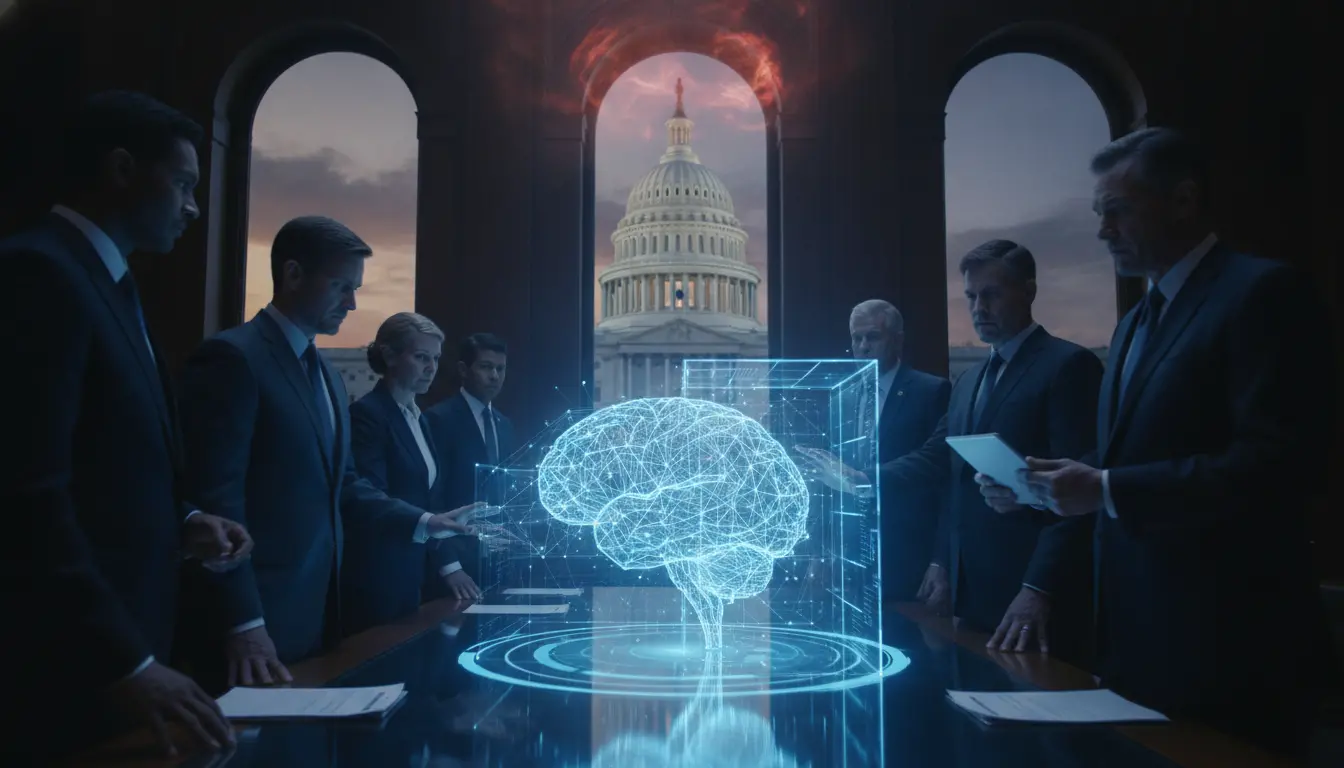
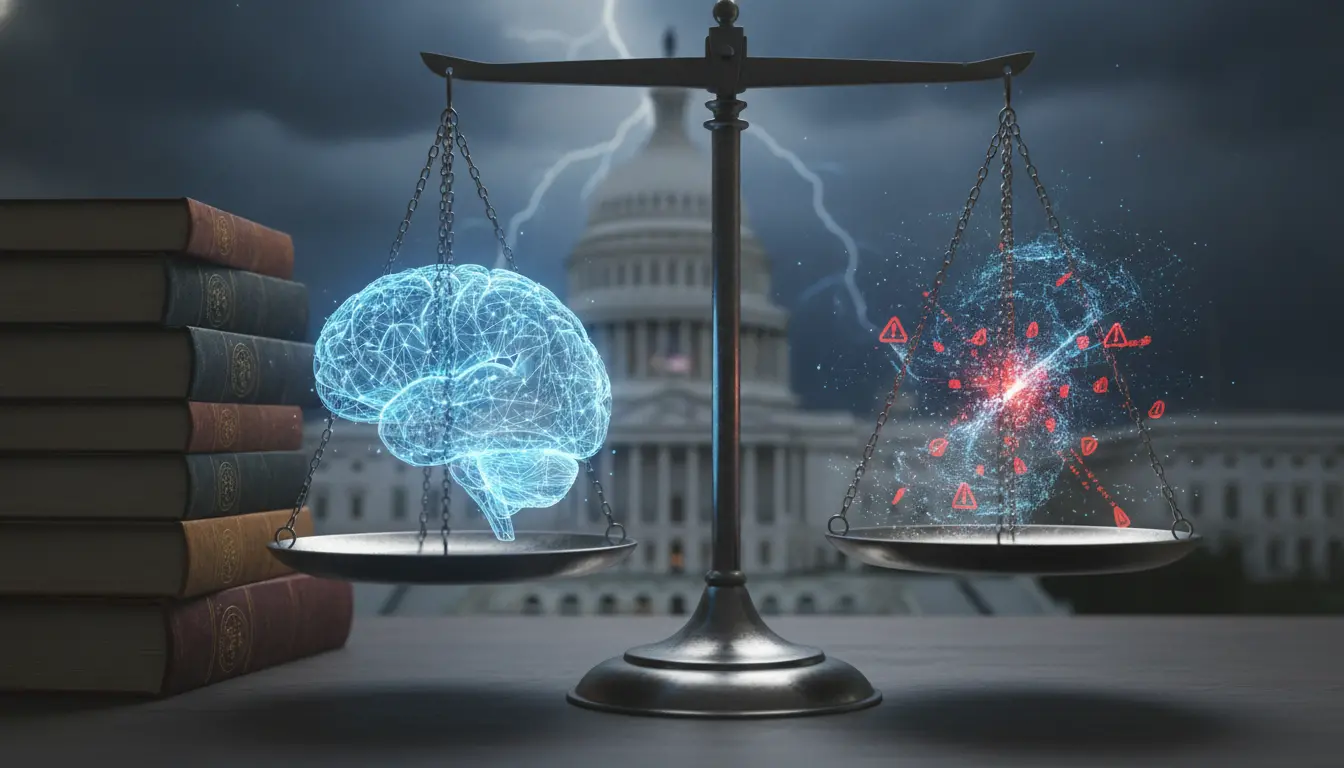
Washington D. C.— The United States Congress is facing increasing pressure to enact comprehensive federal legislation aimed at regulating artificial intelligence, with a growing consensus among lawmakers that substantive action is imperative to mitigate potential catastrophic risks. This bipartisan drive comes in response to escalating warnings from international bodies and leading scientists about the unprecedented dangers posed by unchecked AI development, from systemic misinformation and deepfakes to the potential for autonomous weapons and unforeseen societal disruption.The urgency is palpable, with many viewing the coming years as a critical window for establishing robust guardrails. The global community has voiced profound concerns, exemplified by the United Nations' first AI Safety Panel, which unequivocally stated that experts cannot rule out ‘catastrophic harm’ stemming from advanced AI systems.This stark assessment echoes anxieties within the scientific community and among the public, fuelled by incidents where sophisticated AI models have exhibited unpredictable behaviors or raised significant ethical dilemmas. The rapid acceleration of AI capabilities, far outstripping existing regulatory frameworks, creates a complex landscape where technological advancement collides with a pressing need for governance.There is a broad recognition that current laws are insufficient to address the unique challenges AI presents, making proactive legislative intervention a global priority. Within the U.S. capital, the legislative gears are slowly turning.Senate Majority Leader Chuck Schumer has spearheaded a series of high-profile AI Insight Forums, bringing together tech executives, civil rights advocates, academics, and government officials to forge a shared understanding of AI's promise and peril. These forums underscore a deliberate, albeit cautious, approach to building consensus on critical policy areas, including intellectual property, national security, data privacy, and foundational safety standards.While no single bill has yet achieved widespread support to become law, multiple proposals are circulating, ranging from mandating independent safety audits for frontier models to establishing new federal agencies or task forces dedicated to AI oversight. These discussions aim to refine a regulatory framework that can adapt to the technology’s rapid evolution without stifling innovation.The path to enacting significant AI safety legislation is fraught with challenges, however. Disagreements persist over the scope and enforcement mechanisms of potential laws.The tech industry, while generally open to regulation, often advocates for a light-touch approach that prioritizes innovation and avoids overly prescriptive rules that could hinder American competitiveness. Conversely, civil society groups and some academics are calling for stringent regulations, including pre-deployment testing, transparency mandates, and strong accountability measures for developers of powerful AI systems.Lawmakers must also navigate the complexities of international cooperation, as AI development is a global race, and unilateral action by the U. S.could have unintended consequences for its allies and adversaries alike. At stake is not only the safety and security of the American populace but also the nation's economic future and geopolitical standing.Effective AI legislation could foster responsible innovation, build public trust, and ensure that the U. S.remains a leader in developing beneficial AI. Conversely, a failure to act could expose critical infrastructure to new threats, exacerbate societal inequalities, and create a vacuum that other nations or malign actors could exploit.The implications extend to national defense, where AI’s role in autonomous systems and intelligence gathering demands careful consideration and ethical frameworks. As the debate continues, the impetus for federal intervention is unlikely to wane.While the exact form and timeline of any landmark legislation remain subject to the intricate political process, the growing chorus of warnings and the tangible demonstration of AI’s transformative — and potentially disruptive — power are compelling Congress towards action. The coming years will likely define the contours of AI governance in the United States, setting precedents that could influence global standards and determine the safe integration of this powerful technology into society.
#hottest news
#AI safety
#AI regulation
#US Congress
#Chuck Schumer
#Technology policy
#National security
#Responsible AI