

ScienceneuroscienceBrain-Computer Interfaces
Chinese scientists achieve mind-control robotics breakthrough for paralyzed patients.
KE
Kevin White
6 months ago7 min read
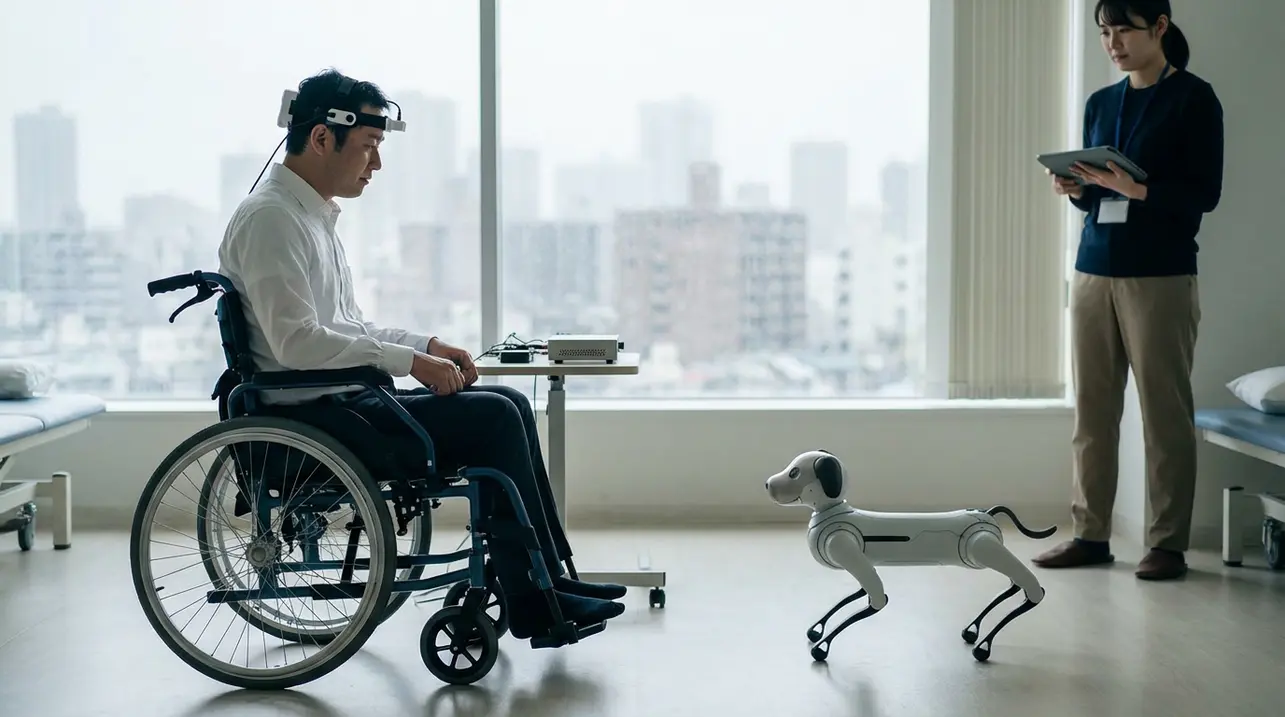
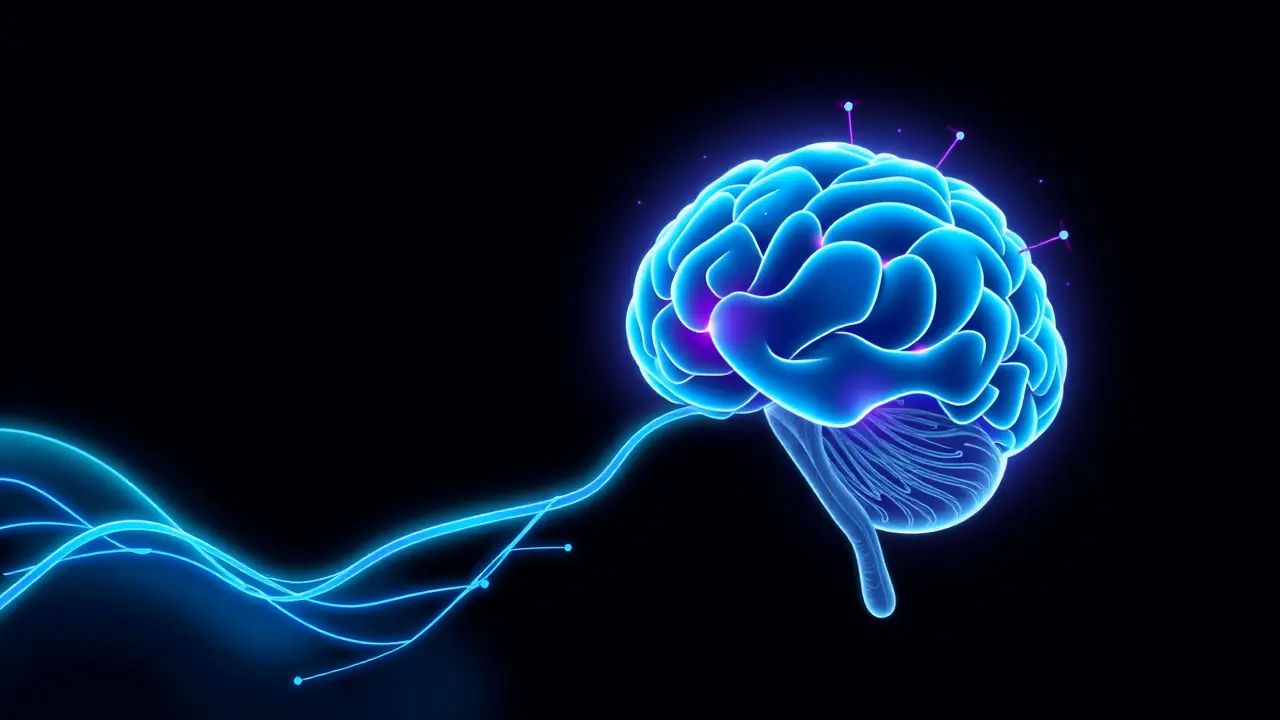
In a development that feels ripped from the pages of a near-future medical thriller, a team from the Chinese Academy of Sciences has just shattered a significant barrier in neurotechnology. They’ve enabled a man with a high-level spinal cord injury to achieve stable, real-world control over a suite of devices—smart wheelchairs, robotic dogs, and even interfaces for paid work—using nothing but his thoughts.Announced by the Centre for Excellence in Brain Science and Intelligence Technology (CEBSIT), this isn't just another incremental lab study; it's a landmark demonstration of a practical, multi-application brain-computer interface (BCI) system operating reliably outside controlled environments. For the paralyzed individual at the heart of this trial, the implications are profound, transforming abstract scientific potential into tangible, daily autonomy.The technical core of this breakthrough likely hinges on a high-density neural implant, perhaps using micro-electrode arrays that record signals from the motor cortex with unprecedented fidelity. These raw neural firings, the brain's intent to move a limb, are then decoded in real-time by sophisticated machine learning algorithms trained to translate specific thought patterns into precise digital commands.The real magic, however, lies in the system's stability and versatility—maintaining a clear signal over months and adapting to control disparate technologies, from navigating a wheelchair through a cluttered room to directing a robotic dog to fetch an item, represents a quantum leap over earlier BCI prototypes that were often confined to moving a cursor on a screen or a single robotic arm. This work sits at the thrilling convergence of AI, biotechnology, and neuroscience, a field I’ve long followed where each discovery in CRISPR-based neural repair or advanced biocompatible materials paves the way for such integrative leaps.The context here is a global race in BCI, with pioneers like Neuralink in the US pushing their own visions, but the CEBSIT team’s focus on immediate, multi-faceted utility for severe paralysis cases carves out a distinct and critically important niche. Experts in neuroethics will immediately note the significance of the mention of ‘paid work’; integrating BCI control into vocational software platforms suggests a future where physical disability does not preclude economic participation, a societal shift as revolutionary as the medical one.Of course, the path from this triumphant case study to widespread clinical application is fraught with challenges: ensuring long-term implant safety, mitigating immune response, making the technology affordable, and navigating the complex regulatory landscapes for medical devices. Yet, the precedent is now set.This isn't merely about restoring lost function; it's about augmenting human capability, creating a seamless symbiosis between biological intelligence and machine execution. The next-generation science language here is one of ‘closed-loop systems’ and ‘bidirectional interfaces’, where feedback from the robotic dog’s sensors could one day be streamed back to the brain as sensory data, creating a true perceptual extension of the self. For patients worldwide living with spinal cord injuries, ALS, or other neurodegenerative conditions, this Chinese breakthrough is a beacon of tangible hope, proving that the future of medicine isn't just about treating disease, but about fundamentally re-engineering the human experience through biology and silicon.
#featured
#brain-computer interface
#BCI
#robotics
#paralysis
#Chinese Academy of Sciences
#neurotechnology
#mind control
#assistive technology
Stay Informed. Act Smarter.
Get weekly highlights, major headlines, and expert insights — then put your knowledge to work in our live prediction markets.
Related News





1 month ago
Outpoll Weekly Recap: Science (April 27 – May 3, 2026)

2 months ago
Outpoll Weekly Recap: Science (April 20 – 26, 2026)

2 months ago
Spring equinox 2026: Time, meaning, and science of seasons.
2 months ago
Outpoll Weekly Recap: Science (April 13 – 19, 2026)
2 months ago
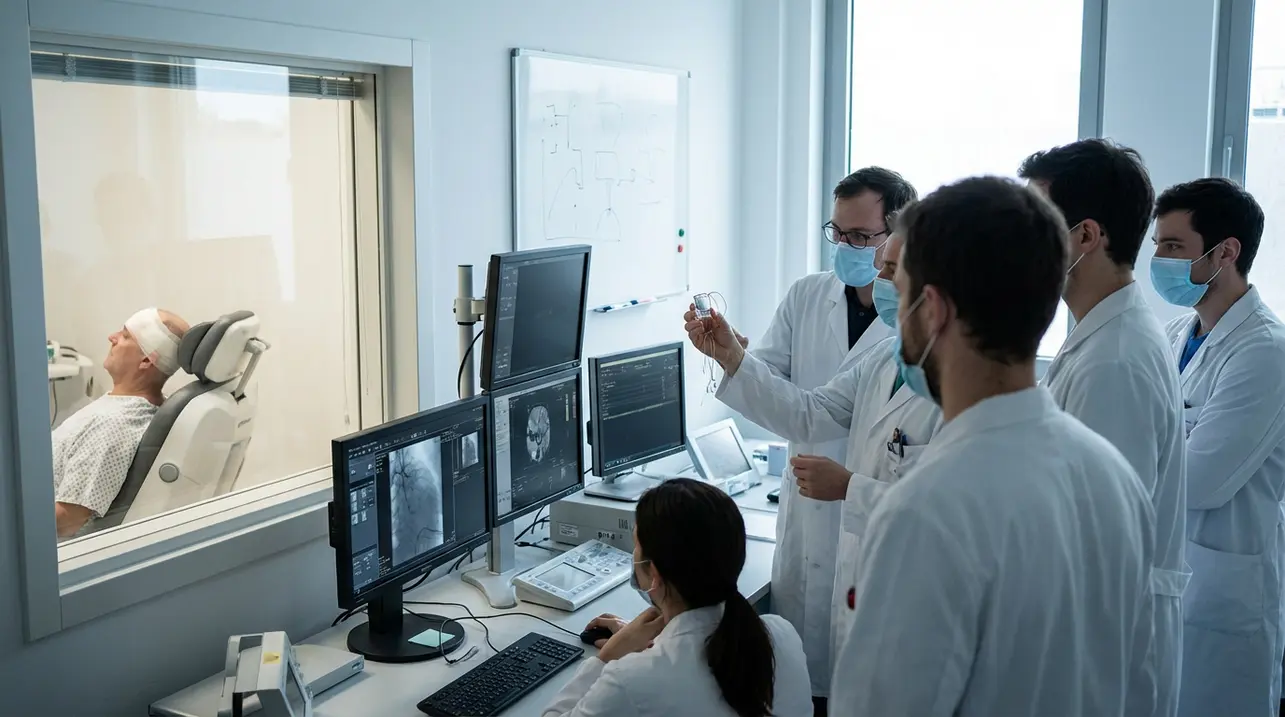
Science Corp Prepares First Human Brain Sensor Implant

2 months ago
Stop trying to ‘educate’ people into changing. Science proves it doesn’t work

Hottest2 months ago
The Brain's Saboteurs: How a Neuroscience Pioneer Framed Our Modern Struggles

2 months ago
Trump's next budget calls for massive cuts to science again.
2 months ago
The science of how fireflies stay in sync
2 months ago
Outpoll Weekly Recap: Science (March 30 – April 5, 2026)
Comments
It's quiet here...Start the conversation by leaving the first comment.