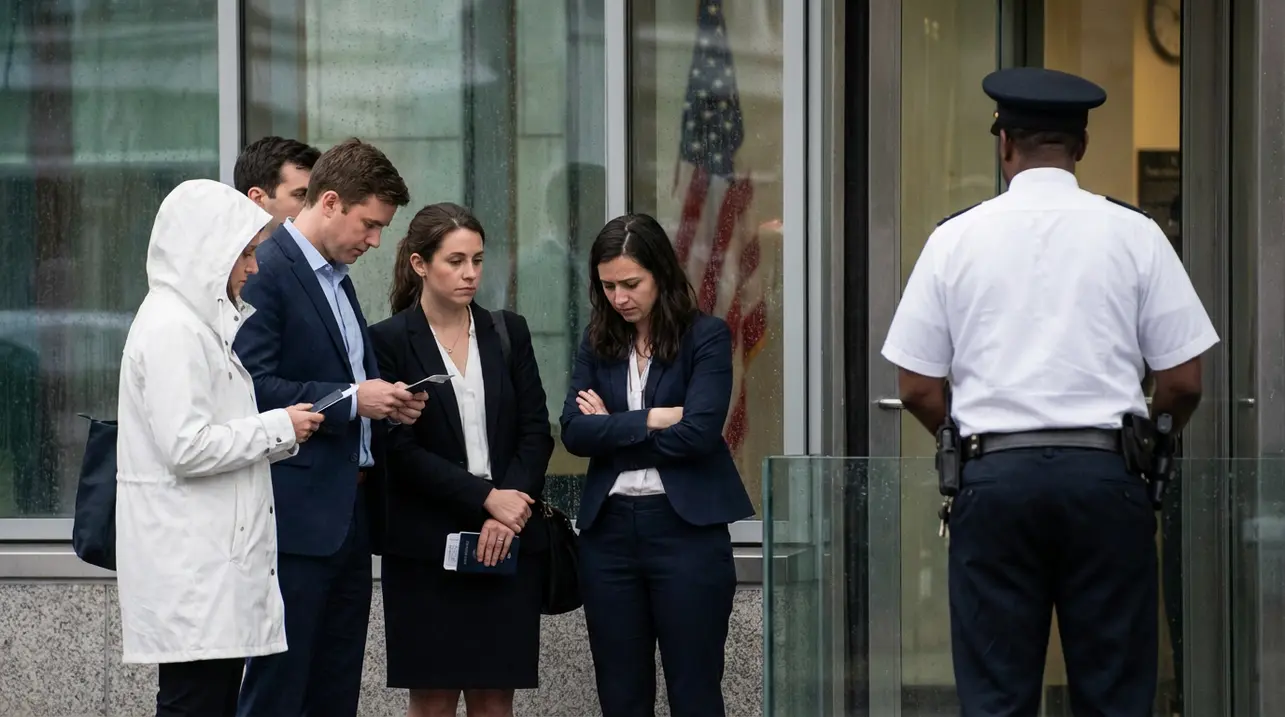
US Denies Visas to UK Social Media Campaigners for Tech Regulation.

In a move straight out of the political playbook, the Trump administration has just deployed a classic hardball tactic, denying entry visas to five British social media campaigners who have been vocal advocates for reining in Big Tech. This isn't just a bureaucratic footnote; it’s a strategic volley in the escalating global war over who gets to control the digital public square.Think of it as a pre-emptive strike, designed to silence critical voices before they can even step onto American soil to lobby, speak at conferences, or coordinate with US-based allies. The individuals barred, whose names have not been officially disclosed but are understood to be key figures from UK-based advocacy groups pushing for stricter antitrust measures and data privacy laws, found themselves effectively benched from the game.For a political operative like me, this reeks of a campaign strategy—you identify the opposition’s most effective messengers and you neutralize them, not with counter-arguments, but with administrative red tape. The context here is crucial: we’re in the final months of a fiercely contested election cycle where Silicon Valley’s power is a hot-button issue, and the administration has consistently framed tech regulation as an attack on American innovation and free speech.By blocking these foreign critics, they’re sending a clear message to domestic regulators and lawmakers: even external pressure will be met with a closed door. Historically, using visa denials as a political tool isn’t new—we’ve seen it applied to everything from human rights investigators to scientists—but its application in the tech policy arena marks a significant and dangerous escalation.It transforms a policy debate into a geopolitical skirmish. Experts I’ve spoken to in the political risk sphere see this as a calculated gamble.On one hand, it temporarily muffles a coordinated transatlantic regulatory push that could embolden progressive voices in the US. On the other, it risks a serious diplomatic blowback with a key ally like the United Kingdom and paints the administration as thin-skinned, afraid to engage in open debate.The consequences could ripple far beyond these five individuals. Will other nations retaliate with similar barriers for US tech lobbyists? Does this chill the ability of global civil society to collaborate on digital governance, a fundamentally borderless issue? It sets a precedent where the passport becomes a weapon in the policy wars.From a pure strategy standpoint, it’s a high-risk, high-reward maneuver. It energizes a base that views Big Tech as a politically biased enemy, but it also undermines America’s longstanding posture as an open arena for ideological combat.
#visa denial
#US travel ban
#social media campaigners
#tech regulation
#Trump administration
#editorial picks news
Stay Informed. Act Smarter.
Get weekly highlights, major headlines, and expert insights — then put your knowledge to work in our live prediction markets.
The next move belongs to the campaigners and their allies: will they amplify the story to claim martyrdom and rally support, or will the barrier prove effective? In the relentless media war for narrative control, this visa ban is less an immigration decision and more a campaign ad, written in the stark language of border policy. The polls, the debates, the legislative battles—they all just got a little more insular, and the world of tech regulation just became a lot more polarized.