Indonesian Film Shot in China Promotes Cultural Diplomacy

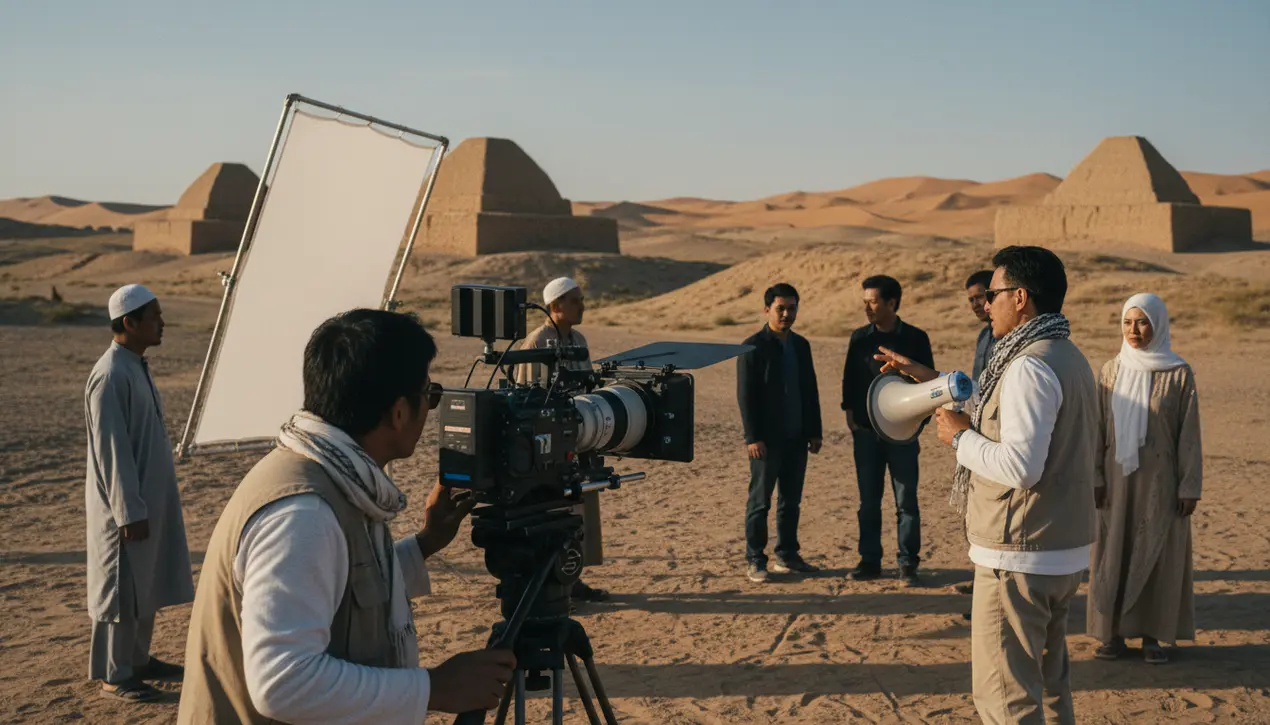
The stark, beautiful deserts of north-central China’s Ningxia Hui autonomous region, with its ancient mausoleums and deeply rooted Islamic culture, have been transformed into a sprawling cinematic canvas for the Indonesian feature film *Assalamualaikum Beijing 2: Lost in Ningxia*. This isn't merely a location shoot; it's a deliberate and sophisticated act of cultural diplomacy, a soft power play where the language of cinema supersedes political rhetoric.The film seamlessly weaves Chinese landscapes into the fabric of Indonesian storytelling, a fusion that signals a maturing strategic partnership between Jakarta and Beijing, one that understands the profound resonance of a shared narrative. Think of it less as a simple sequel and more as a spiritual successor to the kind of cultural exchange seen in cinematic co-productions like *The Last Emperor*, but with a distinctly modern, populist twist aimed directly at building bridges between two massive audiences.This move is analytically fascinating; it’s a calculated pivot from the often transactional nature of international relations towards a more emotive, grassroots connection. By embedding its story within the daily life of the Hui Muslim community, the film doesn't just use China as a backdrop—it engages with its cultural and religious specificity, creating a point of identification for Indonesia's own substantial Muslim population.The symbolism is potent and hardly accidental. It’s a narrative choice that acknowledges shared values and experiences, subtly countering Western-dominated global media narratives with a story crafted by and for Asians.One can draw a parallel to the way South Korean dramas have leveraged their soft power for decades, building immense goodwill and cultural capital that directly benefits tourism and trade. The potential ripple effects here are substantial.A successful reception could pave the way for a new wave of Sino-Indonesian co-productions, creating a viable alternative market in the global film industry and fostering a deeper, more nuanced mutual understanding that goes far beyond trade deficit charts and diplomatic communiqués. The camera, in this context, becomes as powerful a tool as any treaty, framing a relationship not through the dry lens of geopolitics, but through the intimate, human-scale dramas of love, loss, and discovery that resonate universally.
#Indonesia
#China
#cultural diplomacy
#film production
#soft power
#featured
Stay Informed. Act Smarter.
Get weekly highlights, major headlines, and expert insights — then put your knowledge to work in our live prediction markets.