Politicsgovernments & cabinetsCabinet Reshuffles
Government lacks emotional link with voters, cabinet ministers warned
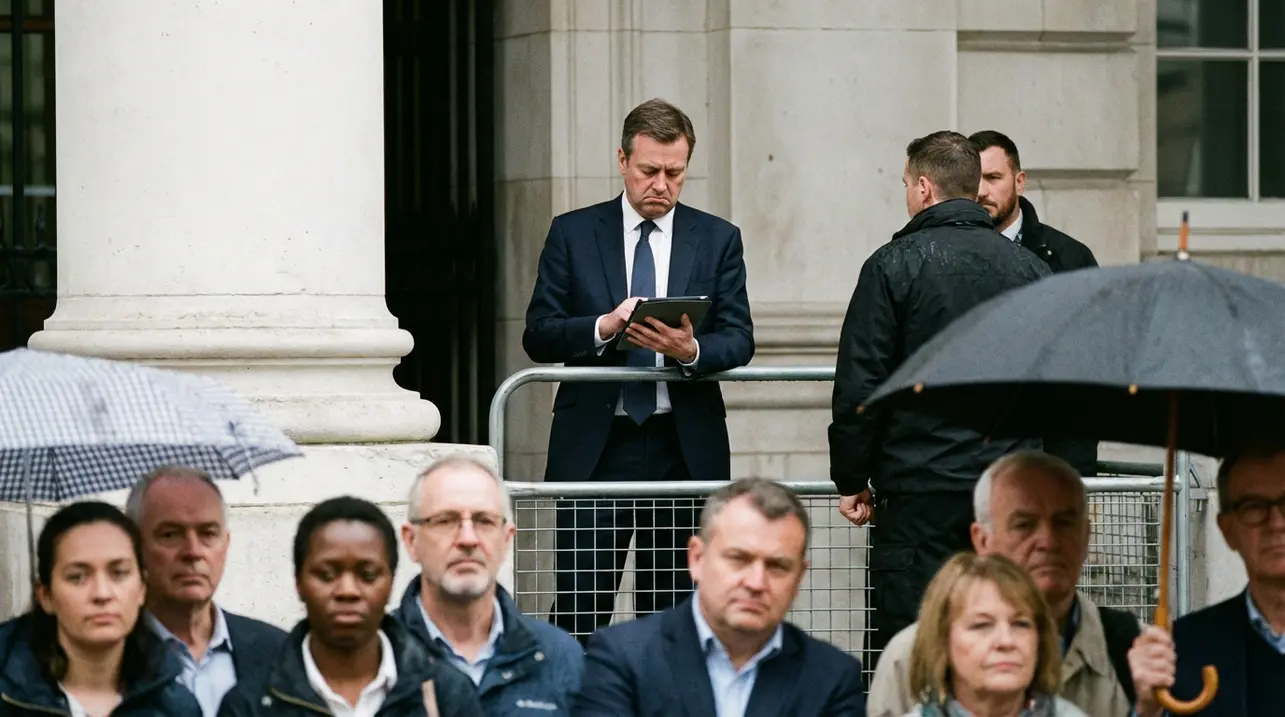
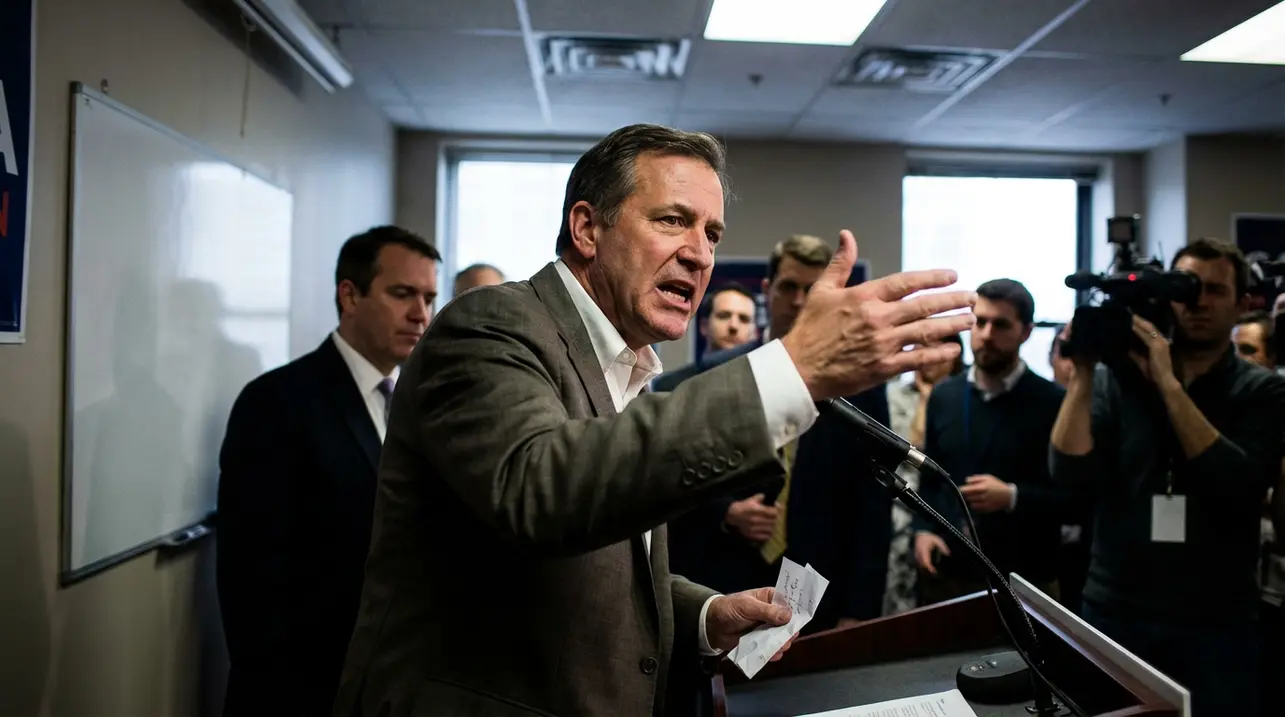
In a closed-door session that crackled with the intensity of a war room, Keir Starmer’s top strategist, Morgan McSweeney, delivered a blunt and urgent warning to the Prime Minister’s cabinet: this government has lost its emotional connection with the British public, and without reclaiming it, they are doomed. Sources present described a meeting where McSweeney, the Labour leader’s chief of staff and the architect of the party’s election-winning campaign, framed the current political challenge not as a policy puzzle but as a profound failure of political communication.He reportedly argued that to survive and govern effectively, the administration must master the 'three Es'—emotion, empathy, and evidence—a trinity where the first two have been conspicuously absent. This wasn't a routine briefing; it was a strategic alarm bell, sounding just months into Labour’s tenure, with Starmer himself reportedly telling ministers they were in 'the fight of our lives,' a phrase deliberately evocative of a political battle for survival rather than mere governance.The immediate adversary in this fight, as explicitly outlined by the Prime Minister, is Nigel Farage’s insurgent Reform UK, a party that has mastered the art of channeling voter discontent into a potent, emotionally charged narrative, thereby rendering traditional left-right policy debates almost secondary. The cabinet was instructed to ignore the dismal polls, not as an act of denial, but as a call to arms—a directive to reframe their entire public engagement strategy from the ground up.This episode reveals a government already in a defensive crouch, acutely aware that its methodical, forensically detailed approach to governance, which served so well in opposition to contrast with Conservative chaos, is now being perceived as bloodless and technocratic. The historical parallel is stark: think of New Labour’s careful 'triangulation' eventually giving way to a public craving for authenticity, or the Cameron-Osborne austerity narrative that succeeded on fiscal framing but ultimately fractured on the rocks of lived experience.McSweeney’s intervention suggests a recognition that in an era defined by populist surges and media fragmentation, policy evidence alone is insufficient armor; it must be welded to a compelling human story. The consequence of failing this recalibration could be catastrophic, not merely in electoral terms but in the very ability to implement a transformative agenda.If voters feel no visceral stake in a government’s mission, they become passive spectators or, worse, hostile critics, making every difficult decision—from tax reforms to planning overhauls—a potential flashpoint for rebellion. Expert commentators from the world of political strategy would note that this is the perennial challenge of the 'delivery' phase after an election victory: the hopeful, unifying narrative of the campaign collides with the gritty, compromise-ridden reality of Whitehall.The Starmer project, built so meticulously on competence and stability, now faces the task of injecting that framework with passion and relatable purpose without veering into the empty sloganeering it once derided. It is a high-wire act of political repositioning. Will ministers, many of them new to their roles and steeped in a culture of cautious mandarin advice, be capable of this more theatrical, empathetic mode of communication? Or will the gravitational pull of government process reinforce the very disconnect McSweeney warns of? The battle lines are now drawn not just against Reform in the electoral field, but within the cabinet itself—a fight to redefine the government’s voice before a disenchanted electorate stops listening altogether.
#lead focus news
#UK politics
#Labour government
#Keir Starmer
#Morgan McSweeney
#cabinet meeting
#voter connection
#Reform UK
#political strategy