

- News
- Politics
- FIFA Privatization Plan Triggers Widespread Condemnation, Calls for Government Sanctions
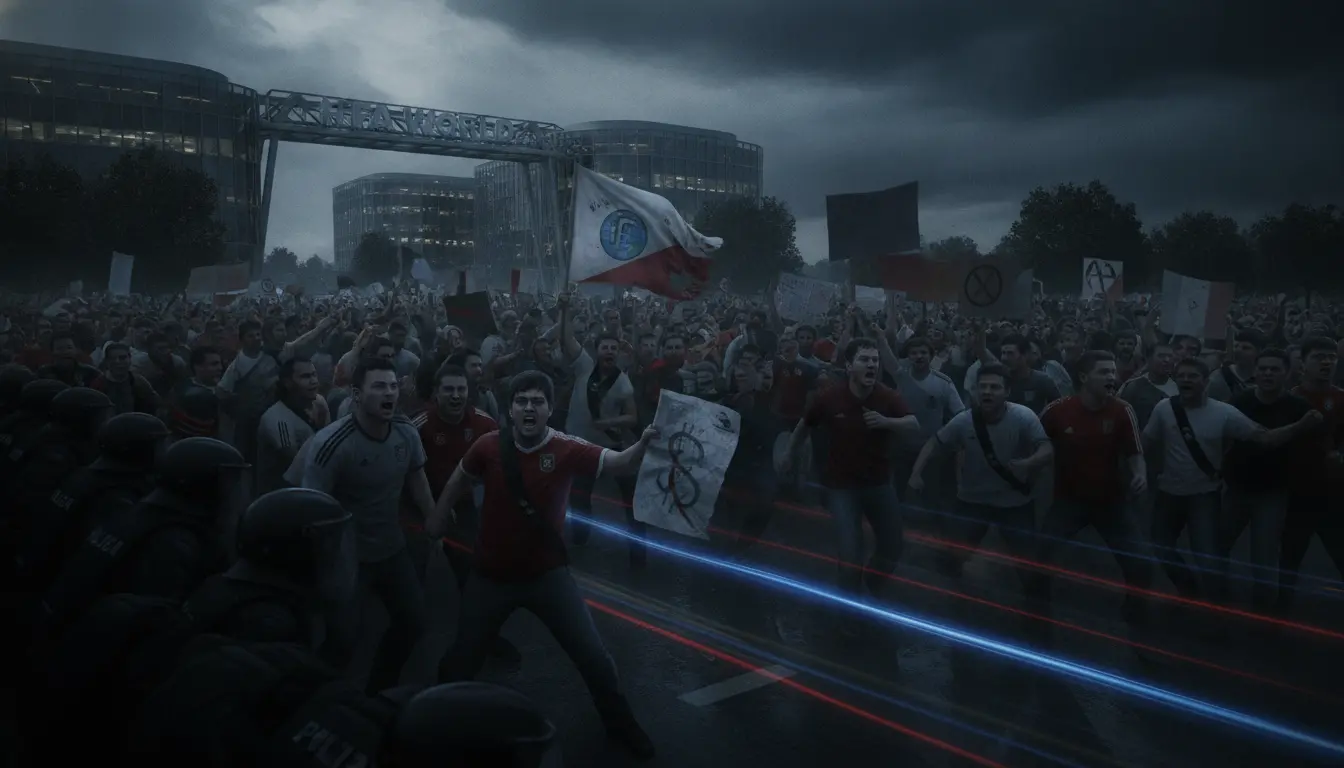
FIFA Privatization Plan Triggers Widespread Condemnation, Calls for Government Sanctions
FIFA's controversial plan to privatize a significant stake in the commercial rights of its major competitions, including the highly lucrative World Cup, has ignited a fierce global backlash. This audacious move, touted by FIFA as a means to unlock billions in revenue and fuel football development, has united European football's governing body, UEFA, various national governments, and influential fan organizations in a chorus of opposition. The escalating tension has raised the specter of unprecedented sanctions and regulatory intervention, threatening to redefine the landscape of international football governance.
The core of FIFA's contentious proposal involves the establishment of a new commercial entity, into which it would integrate the revenue streams from its flagship tournaments. A minority stake in this entity would then be offered to private investors, primarily from the realm of private equity. FIFA leadership, spearheaded by President Gianni Infantino, argues that this strategic maneuver is essential for modernizing its financial structures, optimizing global outreach, and securing a substantial capital injection. This influx of funds, they contend, is crucial to bolstering football development initiatives across FIFA’s 211 member associations, particularly in less affluent regions, thereby ensuring the sport's long-term sustainability and competitiveness in an evolving global sports market.
However, the reaction from key stakeholders has been swift, sharp, and overwhelmingly negative. UEFA, led by its president Aleksander Čeferin, has emerged as the most vocal critic, labeling the plan a “hostile takeover” attempt that threatens the very solidarity and integrity of European football. Concerns articulated by UEFA and its member federations center on the potential loss of control over football’s most prized assets, the irreversible impact on competition structures, and the ethical implications of ceding influence to profit-driven private equity firms. Several major football nations, including Germany and the United Kingdom, have echoed these sentiments, with government officials expressing significant alarm and hinting at rigorous regulatory scrutiny and potential legislative action to safeguard national interests and fan welfare. Across continents, prominent fan groups have organized protests, articulating fears of escalating ticket prices, the unchecked commercialization of football culture, and an unacceptable detachment from the sport’s grassroots values.
This intensifying standoff carries far-reaching implications for the intricate governance of global football. At stake is not merely the financial future of FIFA, but the delicate balance of power between the world governing body, powerful continental confederations like UEFA, and individual national associations. Opponents vociferously warn that such a profound level of privatization could irrevocably alter the sport's ecosystem, fostering an environment where power and wealth become excessively centralized, potentially marginalizing smaller federations and undermining the cherished principle of football for all. The growing threat of sanctions, ranging from punitive financial penalties to restrictions on participation in prestigious international competitions, represents a significant escalation, reminiscent of past disputes over calendar reforms or perceived political interference in sports bodies. Legal challenges and appeals to international arbitration bodies are also distinct and increasingly likely possibilities in this high-stakes struggle.
FIFA President Infantino has consistently defended the proposed privatization, emphasizing its capacity to generate significant, sustainable income for the entire football pyramid. He maintains that external investment would liberate resources for crucial development projects and actively address existing inequalities within the sport. Conversely, UEFA has vehemently pushed back, proposing alternative financial models that prioritize greater transparency, more equitable distribution of existing revenues, and enhanced governance oversight rather than diluting ownership through external stakes. National governments, acting through their respective sports ministries and parliamentary committees, are actively exploring various avenues, including the possibility of anti-trust investigations and the formulation of new regulatory frameworks designed to protect the sport’s foundational non-profit principles and its inherent public interest aspect against potentially unchecked commercialization.
The coming period is poised to be a critical juncture for FIFA and the future trajectory of international football. The intensifying pressure from influential governments and a resolute, united UEFA suggests that FIFA’s ambitious privatization path faces formidable and possibly insurmountable obstacles. While direct sanctions or widespread legislative interventions of a truly significant nature are complex and historically unprecedented, the mounting political, ethical, and financial pressure could realistically compel FIFA to fundamentally reconsider or substantially modify its grand plans. The ultimate outcome of this high-stakes confrontation will undoubtedly play a pivotal role in redefining the commercial landscape and the very governance model of the world’s most popular sport for decades to come, with stakeholders across the globe keenly observing how FIFA navigates this profound and multifaceted challenge.
Stay Informed. Act Smarter.
Get weekly highlights, major headlines, and expert insights — then put your knowledge to work in our live prediction markets.
Related News

Electronic Arts Acquisition Rumors Intensify Amidst $55 Billion Consortium Talks
International Scrutiny Intensifies Over Allegations of Genocide in Gaza by UN Investigators

Santander's Webster Financial Acquisition Poised to Bolster US Commercial Banking Presence

FTC Intensifies Antitrust Scrutiny on Major Tech Companies
Fujimori's Reported 2026 Peruvian Presidential Victory Awaits Contentious Official Certification

Qatar's Strategic Trajectory Under Scrutiny Following Architect Sheikh Hamad's Death

Early Buzz Builds for 99th Academy Awards Best Picture Race Ahead of 2026 Film Slate

AI Chip Demand Fuels Sky-High Expectations for Nvidia's Data Center Revenue Ahead of Q2 Fiscal 2027 Earnings

EU AI Act's Full Implementation Faces Scrutiny Amidst Potential Delay Concerns

Top AI Labs Eye 2026 for Potential Artificial General Intelligence Breakthrough Claim