

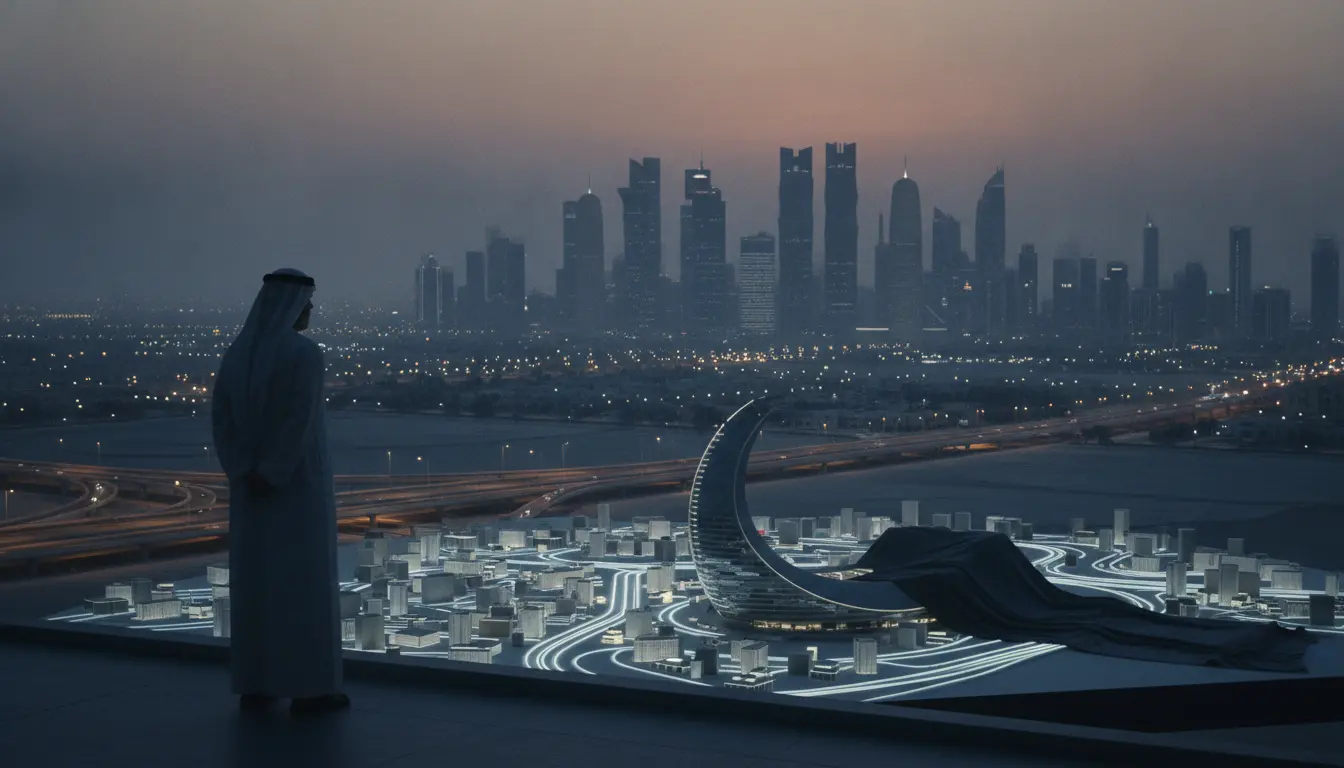
Qatar's Strategic Trajectory Under Scrutiny Following Architect Sheikh Hamad's Death
The passing of Sheikh Hamad bin Khalifa Al Thani, the former Emir of Qatar, has ignited a period of introspection within the Gulf state, prompting observers to scrutinize the nation's future foreign policy and economic strategy. Widely recognized as the architect of modern Qatar, Sheikh Hamad’s death marks the departure of a foundational figure whose influence transcended his 2013 abdication, making any post-mortem re-evaluation of his legacy a significant moment for the Qatari leadership and its direction on the global stage.
Sheikh Hamad’s nearly two-decade reign, from 1995 to 2013, transformed Qatar from a relatively obscure desert emirate into a formidable player in international diplomacy and a titan in global energy markets. He masterminded the bloodless coup that brought him to power, quickly consolidating authority and embarking on an ambitious agenda. Under his leadership, Qatar leveraged its immense natural gas reserves to build unparalleled wealth, funding massive infrastructure projects and investing heavily in education, healthcare, and culture. Crucially, he oversaw the creation of Al Jazeera, the pan-Arab news network that projected Qatari influence across the Middle East and beyond, often challenging regional incumbents and positioning Doha as an independent voice in a complex geopolitical landscape.
His foreign policy was characterized by a pragmatic yet assertive approach, often mediating in regional conflicts and maintaining relationships with a diverse array of actors, from the United States to Iran, and from Islamist movements to Western powers. This strategy, while earning Qatar significant soft power, also drew criticism and, at times, led to strained relations with neighboring Gulf Cooperation Council states, notably during the 2017 blockade. Economically, Sheikh Hamad laid the groundwork for significant diversification beyond hydrocarbon exports, establishing the Qatar Investment Authority (QIA) which now holds stakes in major global companies and real estate assets worldwide.
Upon his abdication, Sheikh Hamad transferred power to his son, Sheikh Tamim bin Hamad Al Thani, a move hailed as a smooth and progressive transition in a region often prone to succession struggles. While Sheikh Tamim has largely maintained the strategic course set by his father, he has also gradually imprinted his own leadership style, navigating the diplomatic crisis with Saudi Arabia and its allies, and continuing to elevate Qatar’s profile through events like the FIFA World Cup. However, the elder Sheikh Hamad remained a revered and influential figure behind the scenes, undoubtedly offering counsel and a steady hand as an elder statesman. His continued presence provided a direct link to the strategies and decisions that shaped Qatar’s rapid ascent.
The genuine departure of this pivotal figure could now embolden Sheikh Tamim to more definitively chart Qatar's next chapter. Potential shifts might manifest in several areas: a recalibration of regional alliances, a renewed focus on specific economic diversification projects, or even a subtle alteration in Qatar’s unique brand of assertive diplomacy. Given the dynamic nature of the Persian Gulf and the broader Middle East, coupled with global energy transitions, the coming years present both opportunities and challenges for Doha. The nation faces ongoing scrutiny over human rights, particularly in the wake of the World Cup, and continues to balance its role as a key energy supplier with its aspirations for a knowledge-based economy.
As Qatar looks towards a future without the physical presence of its architect, the government and the ruling Al Thani family are expected to carefully consider the path forward. While dramatic deviations from a successful strategy are unlikely, the emphasis and priorities within its foreign policy and economic frameworks may well evolve. The legacy of Sheikh Hamad bin Khalifa Al Thani will undoubtedly continue to inform these deliberations, but the ultimate direction will now firmly rest on the shoulders of the current leadership, navigating a world increasingly different from the one in which modern Qatar was forged.
Stay Informed. Act Smarter.
Get weekly highlights, major headlines, and expert insights — then put your knowledge to work in our live prediction markets.
Related News
Iran Navigates Complex Succession Path for Next Supreme Leader
FIFA Privatization Plan Triggers Widespread Condemnation, Calls for Government Sanctions

South Korea Poised for Trillion-Dollar Investment in AI and Semiconductor Industries
International Scrutiny Intensifies Over Allegations of Genocide in Gaza by UN Investigators

FTC Intensifies Antitrust Scrutiny on Major Tech Companies

Nintendo Confirms Switch Successor in Development as Industry Awaits Details on Next-Gen Hardware

Electronic Arts Acquisition Rumors Intensify Amidst $55 Billion Consortium Talks
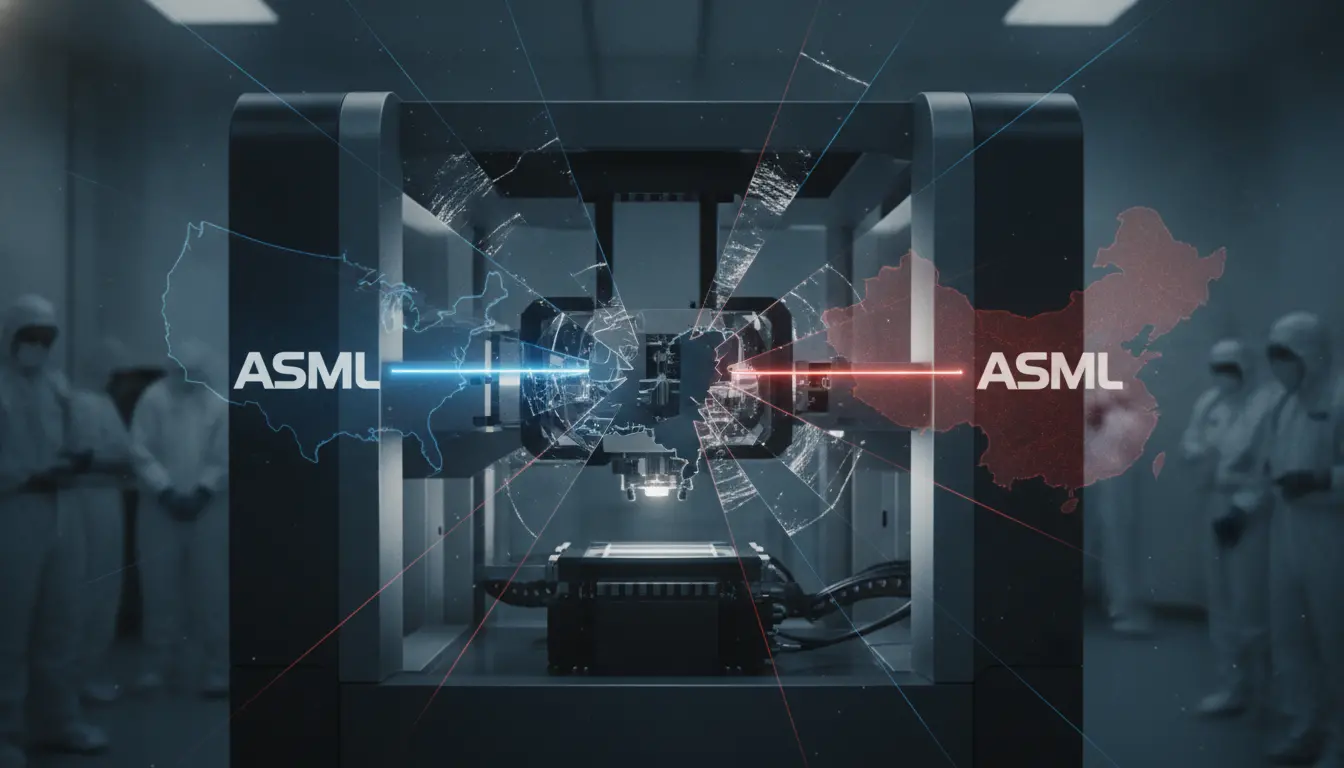
The US says ASML’s top chip tool may be in China. ASML says it isn’t

AMD Set to Unveil MI450X/MI550X AI Accelerator Roadmap and Major Customer Wins at Q2 2026 Earnings
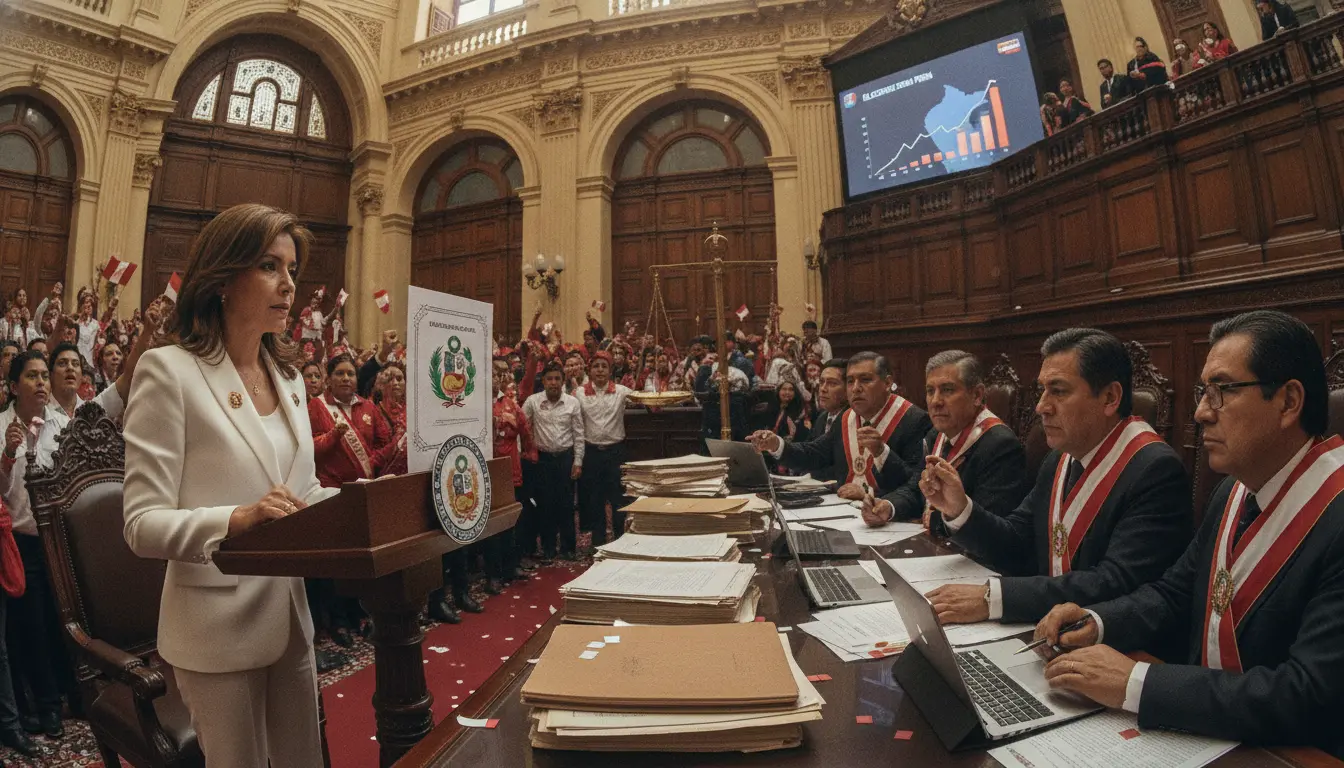
Fujimori's Reported 2026 Peruvian Presidential Victory Awaits Contentious Official Certification