PoliticslegislationDigital and Tech Laws
EU Digital Platform Regulations Clarified Amid US Criticism
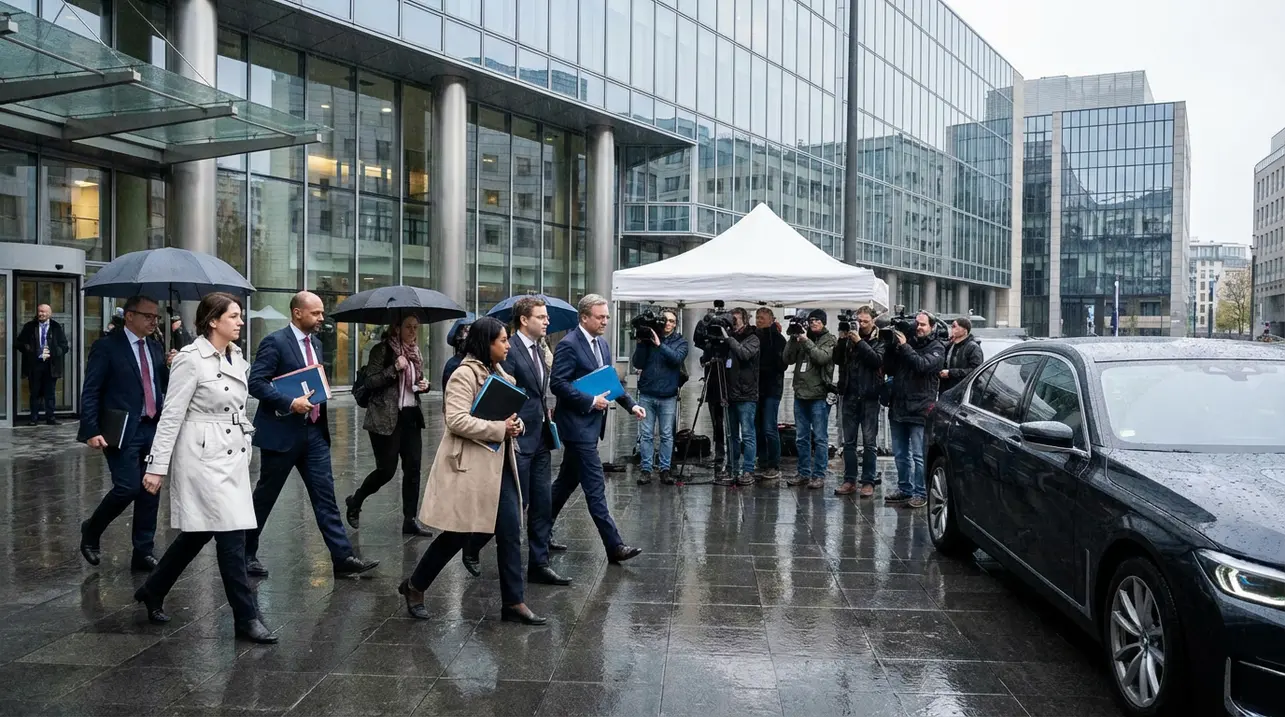
Let’s cut through the spin and look at the playbook. The recent salvo from the US, barring entry to five European officials over their approach to digital regulation, isn't just diplomatic friction; it's a classic political strategy, a high-stakes media war designed to frame the narrative before the real battle even begins.The core accusation, lobbed by former President Donald Trump, that Europe's push for algorithmic transparency and the removal of already-illegal content amounts to 'censorship,' is a masterclass in political framing. It reframes a regulatory stance as an ideological assault, attempting to paint the EU as the overbearing bureaucrat stifling American innovation and free speech.But to understand this move, you need to see the field. For years, the transatlantic relationship on tech governance has been a tense, slow-burning campaign.The EU, having watched the unchecked rise of platform power and its societal fallout—from election interference to hate speech—has methodically built a legislative arsenal. The Digital Services Act (DSA) and the Digital Markets Act (DMA) are its flagship policies, not acts of censorship but rulebooks for accountability.They demand platforms explain why you see what you see in your feed and mandate faster takedowns of content that is already illegal under national laws, be it hate speech or terrorist propaganda. This isn't about opinion; it's about applying long-standing offline laws to the online world.The US response, particularly from certain political quarters, has been to treat any rulebook as a threat to the foundational American tech advantage. The entry ban on the European officials is a dramatic escalation, a tactical move meant to signal strength and rally a domestic base that views 'regulation' as a dirty word.It mirrors the tactics of a heated campaign: identify an external 'enemy,' simplify a complex issue into a potent slogan ('censorship'), and take a visible, punitive action to demonstrate resolve. However, this strategy risks a severe miscalculation.The European position is not some fringe ideology; it's a carefully constructed, legally grounded response to genuine public concerns shared across member states. By framing it as a free speech issue, the US critique overlooks the nuanced European perspective that sees unregulated algorithmic amplification as a potential threat to democracy itself.Expert commentary from policy analysts suggests this could fracture the already fragile consensus on global tech governance, pushing the EU to double down and potentially align more closely with other regulatory powers, creating a splintered digital world. The consequences are profound.
#editorial picks news
#digital platforms
#algorithm transparency
#content moderation
#US-EU relations
#regulation
#censorship claims