PoliticslegislationNew Bills and Laws
China Tightens E-Cigarette Production and Investment Regulations
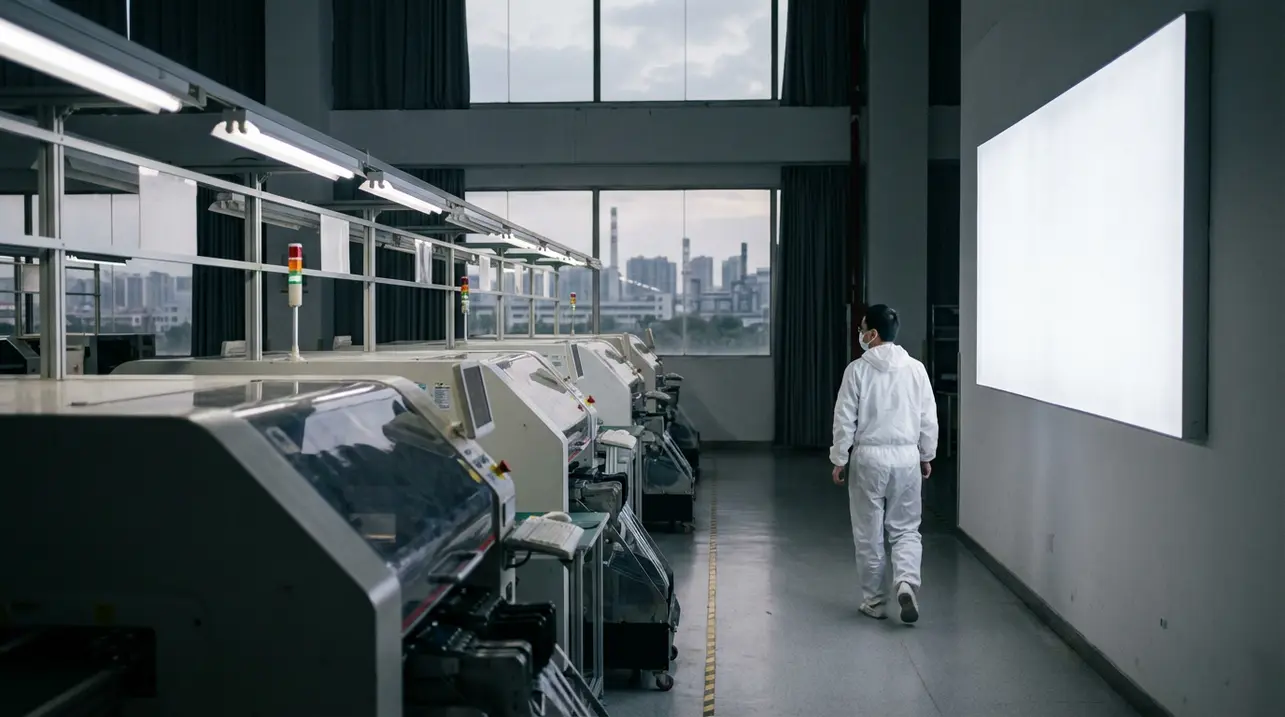
China’s move to tighten the regulatory screws on e-cigarette production and investment isn’t just another bureaucratic adjustment; it’s a calculated power play in a sector where the state has long held absolute dominion. The draft policy, released by the national tobacco regulator, follows a broader State Council opinion that formally placed e-cigarettes and nicotine pouches under the same stringent regulatory umbrella as traditional tobacco.This isn't merely about managing 'fierce intra-industry competition' or 'excess capacity'—phrases that hint at a market running too hot, too fast. It’s a definitive reassertion of control, a classic risk-mitigation maneuver by Beijing to corral a burgeoning, high-margin industry back into the fold of its functional monopoly before it could ever truly become a free-market entity.The context here is critical: China National Tobacco Corporation (CNTC) is a state-owned behemoth, a fiscal engine that contributes hundreds of billions annually to government coffers. The explosive, chaotic growth of independent e-cigarette manufacturers, particularly in tech hubs like Shenzhen which became the global epicenter for vape hardware production, represented a clear and present danger to this monolithic revenue stream and, by extension, to state control.For years, regulators watched from the sidelines as a Wild West of innovation and capital flooded the sector, but the tipping point likely came with the dual pressures of youth vaping concerns and the sheer economic potential being siphoned away from the state monopoly. The new rules, which will impose strict licensing, production caps, and investment restrictions, effectively function as a moat around CNTC’s castle.They will choke off the venture capital that fueled the sector's breakneck expansion and force consolidation, ensuring that any surviving players operate as tightly controlled vassals, not disruptive competitors. From a political risk perspective, this policy shift is a textbook example of China’s regulatory playbook: allow a new industry to develop and test global markets, then step in to systematize, sanitize, and ultimately dominate it.We’ve seen this pattern in fintech, ride-hailing, and now, decisively, in nicotine delivery. The consequences are multifaceted.Domestically, thousands of small manufacturers and brands will face extinction or forced mergers, leading to significant market contraction and job losses in manufacturing regions. Globally, the supply chain shock will be profound; with China producing over 90% of the world's e-cigarettes, production quotas and licensing hurdles will ripple outward, causing shortages, price volatility, and accelerated moves by international brands to diversify their manufacturing bases—a fraught and expensive endeavor.
#China
#e-cigarettes
#regulation
#tobacco monopoly
#draft policy
#compliance
#featured