Otherauto & mobilityElectric Vehicles
Why Battery Recycling Is Essential for Supply Chain Security
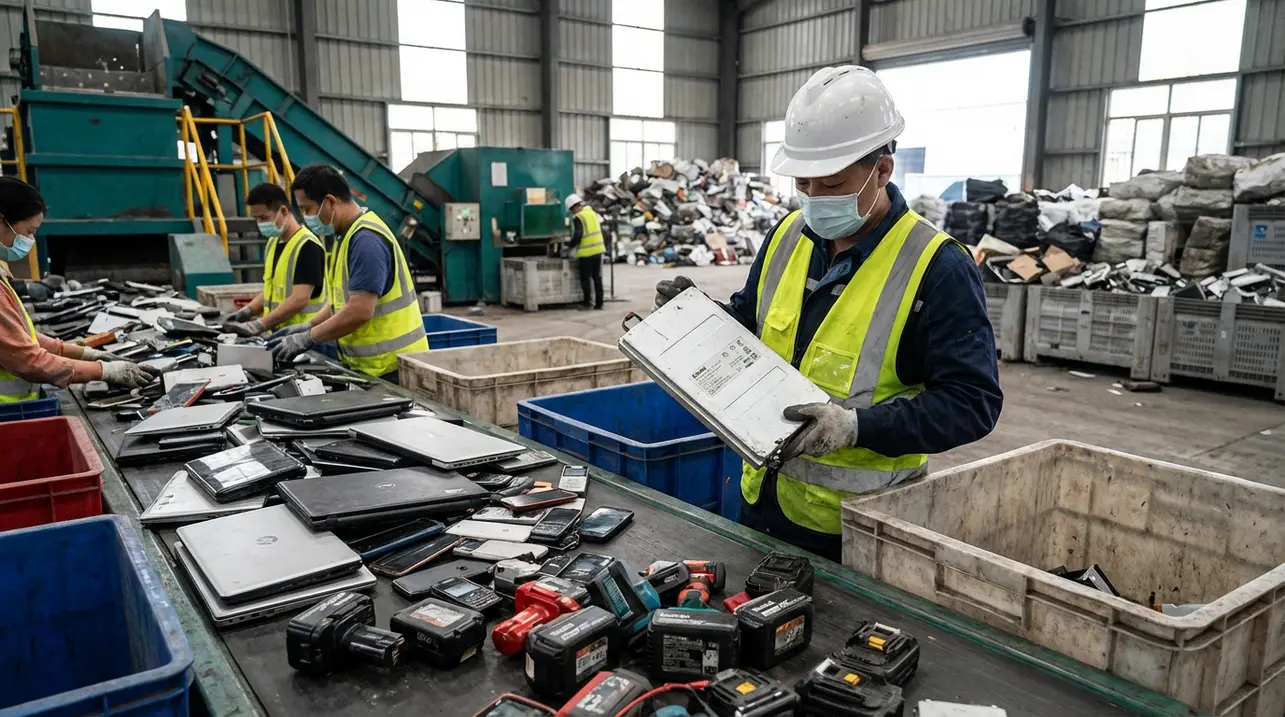
Batteries are the quiet, humming heart of our modern world, powering everything from the phone in your pocket to the electric vehicle in your driveway and the vast energy storage systems that promise a cleaner grid. Yet, as our dependence on these compact energy sources surges, we are creating a parallel, looming crisis of end-of-life material that we can no longer afford to ignore.This isn't just a waste management problem; it's a profound ecological and strategic vulnerability. Each discarded battery represents a lost opportunity to reclaim critical minerals like lithium, cobalt, and nickel—resources often extracted at great environmental cost from a handful of geopolitically sensitive regions.To view battery recycling merely as a 'green' initiative is to miss the larger, more urgent picture: it is an essential pillar for securing our supply chains, reducing our reliance on volatile foreign markets, and building genuine national resilience. The data is stark; in 2024 alone, the United States imported over one billion batteries, effectively exporting our resource security.This is where the concept of Extended Producer Responsibility (EPR) becomes non-negotiable. By mandating that producers are responsible for the entire lifecycle of their products, including collection and recycling, EPR laws create the economic and logistical framework for a circular economy.Currently, a patchwork of state-level regulations is emerging, from California to New York, which, while a start, creates a complex compliance landscape for manufacturers. The potential upside, however, is immense.A robust domestic recycling industry doesn't just create green jobs; it forges a closed-loop supply chain, turning our national stockpile of used batteries into a domestic mine, far less destructive than those scarring landscapes abroad. Consider the humble alkaline battery, often tossed in the trash; its zinc and manganese can be recovered and repurposed as micronutrients in agricultural fertilizers—a beautiful symbiosis of technology and ecology.The challenges are significant, spanning consumer education—where studies show a troubling lack of awareness about lithium battery recycling—to ensuring that collection networks are equitable and accessible to all communities, not just affluent ones. Furthermore, legislation must avoid pitfalls like restrictive forfeiture clauses that could stifle innovation within the existing recycling ecosystem.Transparency throughout the recycling chain, from collection to material recovery, is paramount to building trust and driving efficiency. The path forward requires a collective effort: legislators must craft thoughtful laws, producers must invest in design-for-recycling, recyclers must innovate in recovery techniques, and consumers must become active participants in the cycle.
#battery recycling
#supply chain security
#critical minerals
#extended producer responsibility
#domestic sourcing
#featured