Otherauto & mobilityElectric Vehicles
CES 2026: WheelMove Turns Any Standard Wheelchair Into an Electric One
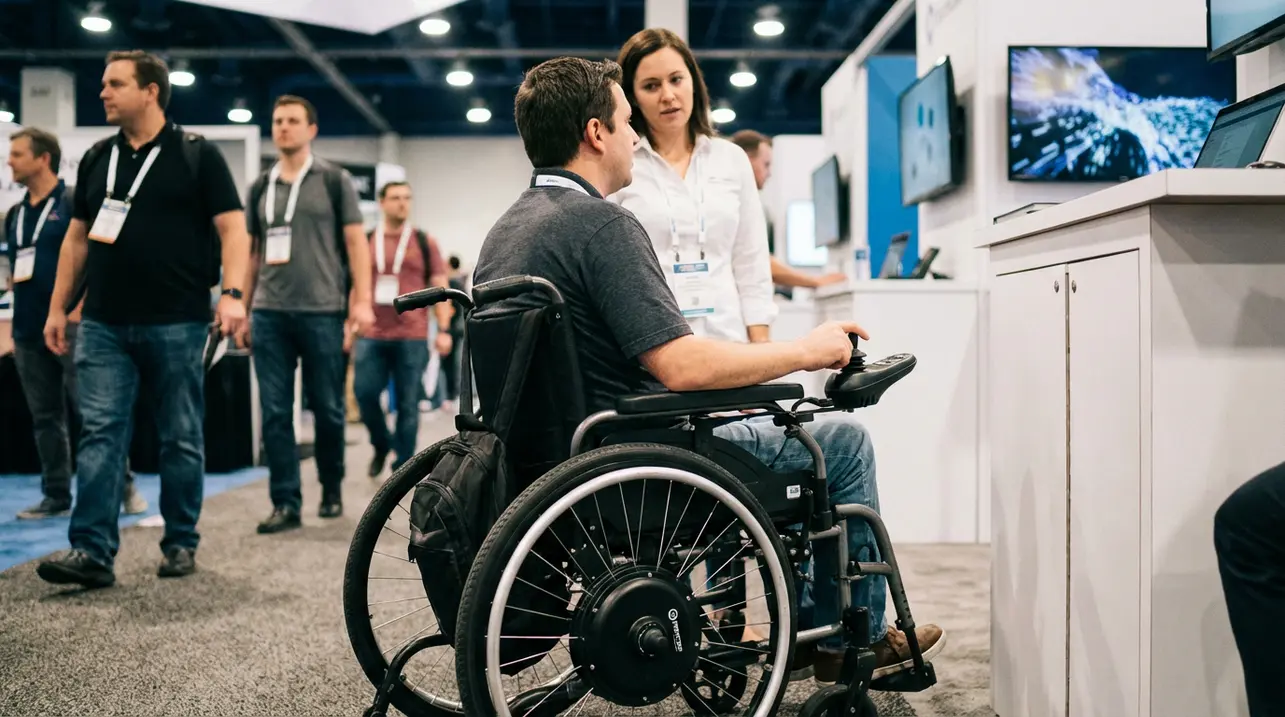
At CES 2026, a quiet but potentially revolutionary shift emerged from the usual cacophony of flashy gadgets and speculative AI: WheelMove, a startup aiming to democratize mobility by transforming any standard manual wheelchair into an electric one. This isn't just another incremental tech upgrade; it's a fundamental rethinking of assistive technology that bridges the gap between the high cost of purpose-built electric wheelchairs and the physical strain of manual propulsion.For millions globally, a standard wheelchair offers independence but within severe limitations—navigating a slight incline or covering a long corridor can be an exhausting ordeal, effectively creating invisible barriers in supposedly accessible spaces. Electric wheelchairs solve this, but their expense, often running into thousands of dollars, and their bulk place them out of reach for many.WheelMove’s proposed solution appears elegantly simple in concept: a modular, attachable drive unit that likely integrates with the wheelchair’s existing frame, adding motorized power, intuitive controls, and perhaps even smart navigation assistance, all while preserving the chair’s original form factor for easier transport. The implications are profound, echoing the kind of disruptive, user-centric innovation we see in biotech and medtech, where CRISPR isn't just about editing genes but about personalized medicine, and where WheelMove isn't just selling a product but offering a customizable platform for enhanced mobility.From a scientific and engineering perspective, the challenges are significant—achieving a universal, secure attachment mechanism across countless wheelchair models, ensuring battery safety and longevity, and creating a control system intuitive enough for users with varying levels of dexterity. The CES demo will be critical; does it feel like a robust medical device or a fragile prototype? The broader context here is the accelerating convergence of robotics, lightweight materials, and battery tech trickling down from consumer electronics, finally making such a modular system feasible and potentially affordable.Experts in rehabilitative technology will be watching closely, as success could pressure traditional medical equipment giants to innovate or partner, potentially reshaping a market long criticized for high margins and slow iteration. Furthermore, the societal and economic calculus is compelling: by extending the functional life and capability of existing chairs, WheelMove could reduce long-term healthcare costs associated with repetitive strain injuries in caregivers and users, while fostering greater social and professional participation.The road ahead, of course, is fraught with regulatory hurdles (FDA clearance as a Class I or II medical device is a must), manufacturing scalability, and the ultimate test of real-world durability. Yet, the vision aligns with a future where assistive tech is adaptive, upgradable, and integrated into daily life seamlessly—much like the next-generation prosthetics and exoskeletons emerging from labs today. If WheelMove delivers, CES 2026 may be remembered not for the biggest TV, but for a compact device that offered a more tangible kind of power: the power to move through the world on one's own terms, without prohibitive cost as a barrier.
#WheelMove
#wheelchair
#electric conversion
#assistive technology
#CES 2026
#mobility innovation
#featured