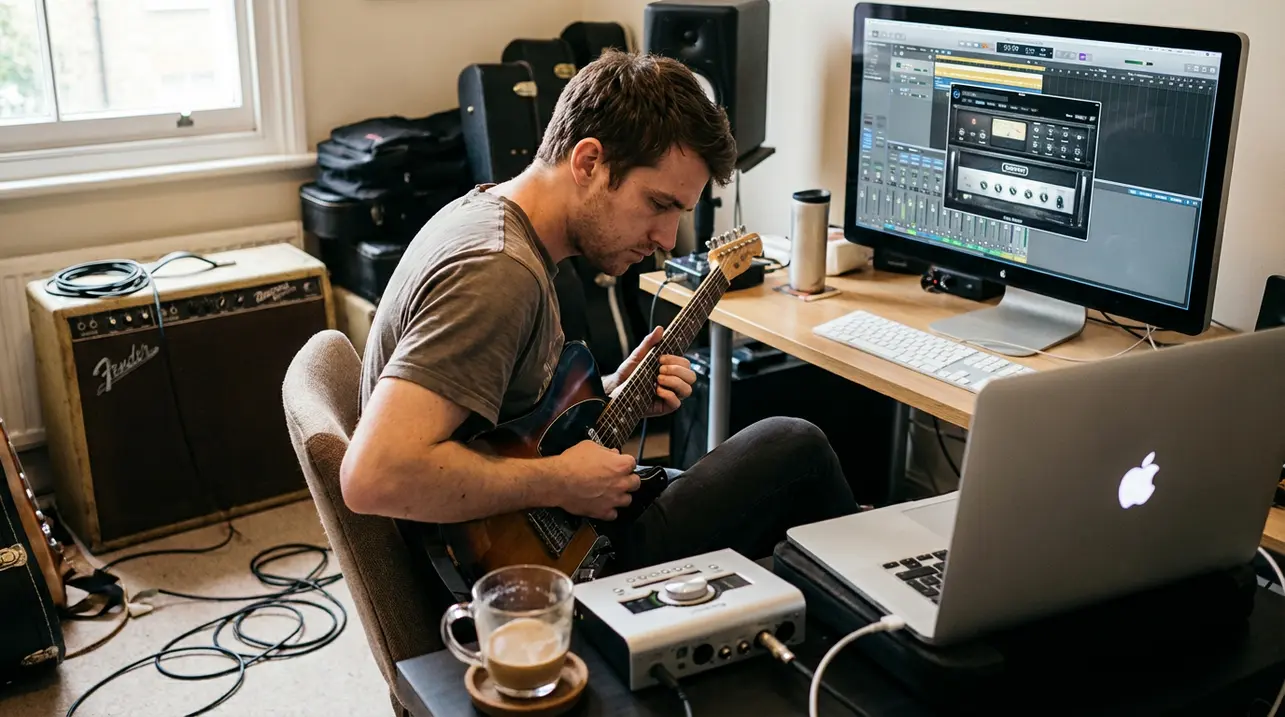
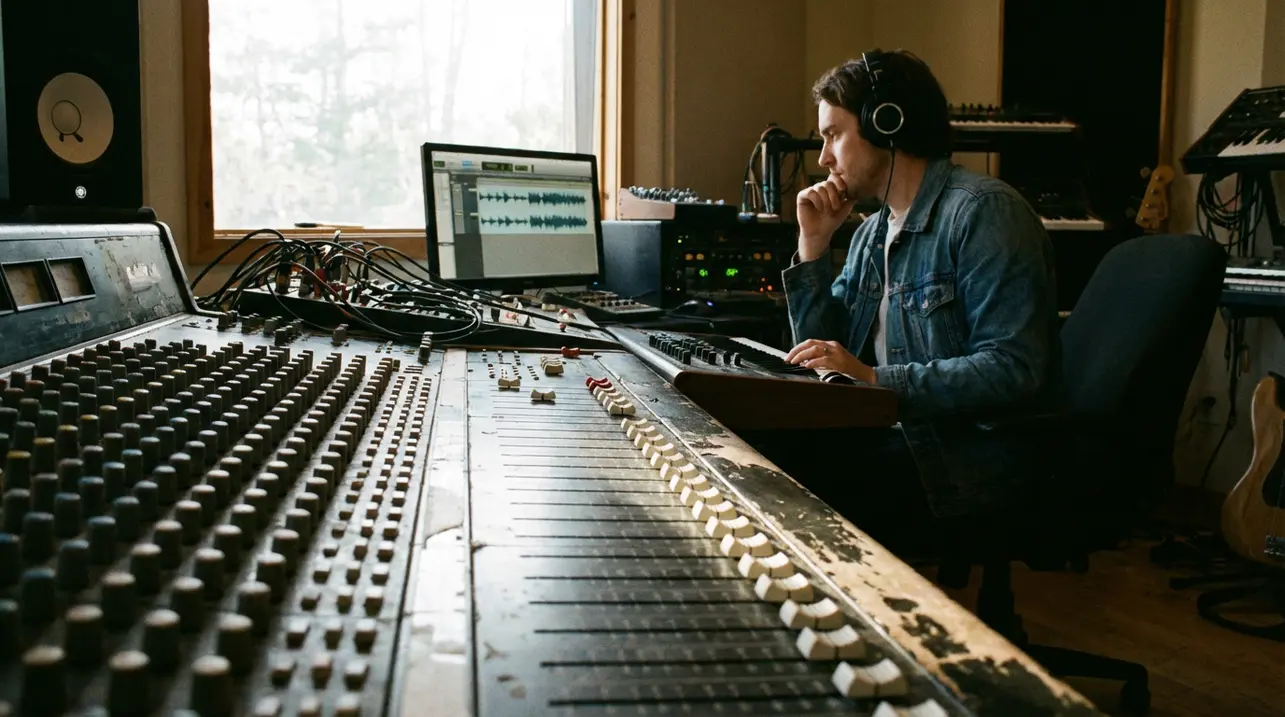
Guitar amp sims have gotten astonishingly good.
Let’s talk about the quiet revolution happening in bedrooms and home studios everywhere, a shift so profound it’s reshaping what it means to be a guitarist in the 21st century. The headline says it all: guitar amp sims have gotten astonishingly good.This isn't just a minor tech update; it's a full-blown paradigm shift, the kind of moment that, in music history, sits alongside the invention of the electric guitar itself or the rise of the multi-track recorder. For decades, the pursuit of tone was a physical, almost spiritual pilgrimage.It required hauling heavy, valve-driven behemoths to gigs, cranking them to ear-splitting volumes to hit that sweet spot where the tubes would sing, and dealing with the fickle nature of analog circuitry—a world of hums, heat, and heavenly noise. That was the rite of passage.Today, that entire universe—from a pristine Fender Twin Reverb chime to the saturated roar of a vintage Marshall stack—is contained within a sleek laptop or a lunchbox-sized unit. The barrier to entry for professional-grade tone has not just been lowered; it's been vaporized.We're living in a golden age of accessibility. Think about it.A kid in a small apartment can now dial in the exact sound that defined Jimi Hendrix at Woodstock or The Edge on *The Joshua Tree* without a noise complaint. A songwriter can flip between a dozen iconic amps and a universe of effects pedals with a mouse click, crafting tones that would have required a six-figure vintage gear collection and a dedicated tech just a decade ago.The technology driving this—impulse responses (IRs) that capture the sonic fingerprint of specific speaker cabinets in specific rooms, and neural network modeling that learns the nonlinear, dynamic behavior of analog circuits—has moved from a convincing imitation to an authentic recreation. It’s no longer about sounding ‘like’ a real amp; in a blind test, many of the top-tier plugins and hardware units are now indistinguishable from their physical counterparts.This has massive implications. For touring musicians, it means consistency night after night, unaffected by airline baggage handlers or dodgy venue power.For producers, it means recalling a mix perfectly months later, with every knob setting preserved. The environmental impact is non-trivial, too—less gear manufacturing, less shipping, less power consumption.Yet, with this progress comes a cultural tension. Purists argue that something intangible is lost—the feel of air moving from a 4x12 cabinet, the organic interaction between guitar, pedal, and amp that can’t be fully quantified.They have a point. The *ritual* of playing is different.But technology isn't replacing the soul; it's providing a new canvas for it. The real magic now happens in the creative possibilities that were previously unimaginable.Want to run a ’59 Bassman into a modern high-gain cabinet, with a tape echo placed *after* the amp? Done. Want to blend three different amp models into a single, monstrous tone that defies physics? Easy.This is where the art is evolving. The guitarist is no longer just a player but a sonic architect.The conversation is shifting from “what amp do you use?” to “what’s in your signal chain?”. Companies like Neural DSP, Universal Audio, and Line 6 aren't just selling software; they're selling access to history and future simultaneously.As we look ahead, the trajectory is clear: integration with AI for dynamic, responsive tone matching, even more granular physical modeling, and seamless movement between the digital and analog realms. The tube amp isn't dead—it's a classic, like a vinyl record—but for the vast majority of creating and performing, the sim has won.The result? There has genuinely never been a better time to be a guitarist. The tools are all there, waiting. The only limit now is imagination.
#guitar
#amplifier simulation
#music technology
#digital audio
#featured