


Can AI Replace the Humanity of Classical Music?
Stay Informed. Act Smarter.
Get weekly highlights, major headlines, and expert insights — then put your knowledge to work in our live prediction markets.

AI Industry Cash Deluges New York Congressional Primary, Testing Tech’s Political Clout

Federal Scrutiny Intensifies Over Potential New Felony Charges Against Donald Trump

AI Industry's Political Might Tested as Super PACs Flood New York Congressional Primary
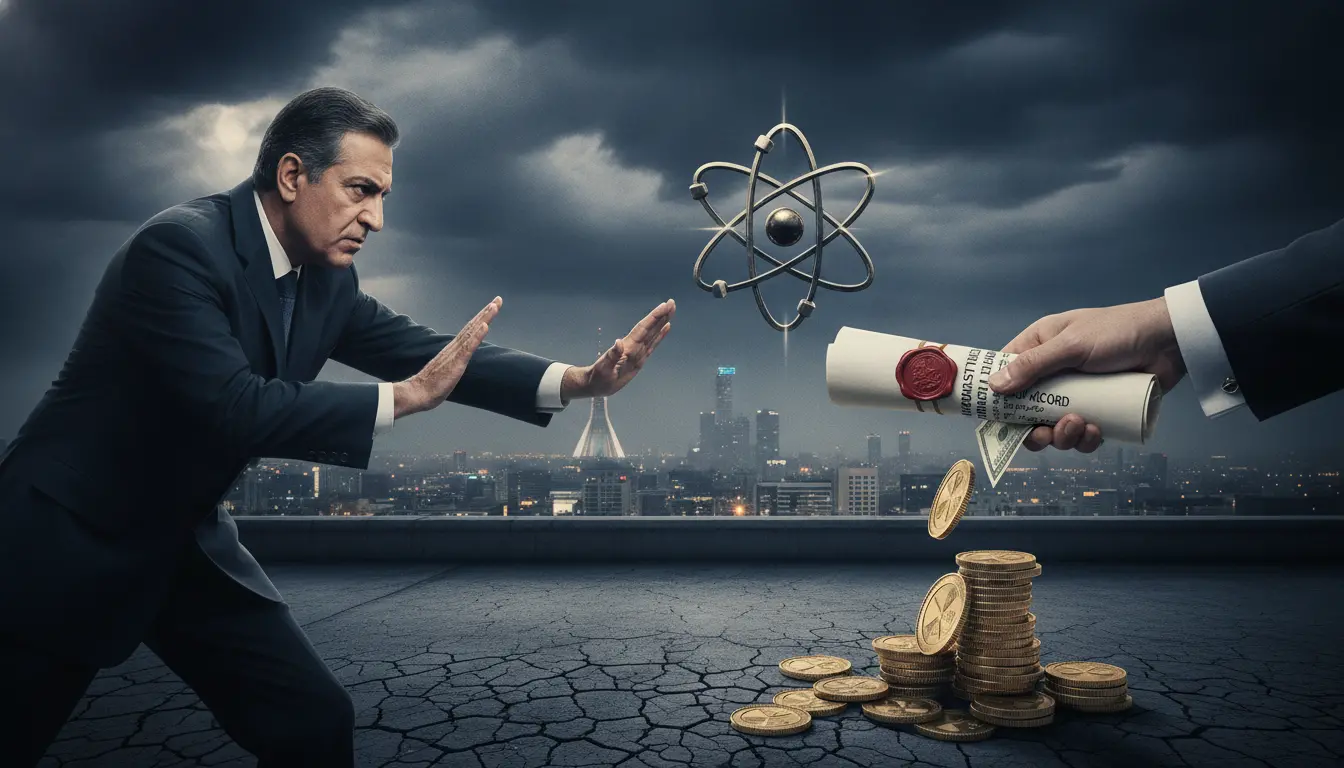
Tehran Rejects Trump's Claim of 'Highest Level' Nuclear Inspection Agreement Amid Sanctions Relief Talks

US-Kenya Health Partnership Jolted as Court Blocks Construction of High-Containment Lab

US-Iran Nuclear Diplomacy in Turmoil as Tehran Denies Trump's Claim of Inspection Deal

US, Iran Remain Divided Over Nuclear Inspection Agreement Amid Escalating Tensions

AI Race Intensifies as Major Companies Target 2026 for Next-Generation Language Models

AI Race Accelerates as Tech Giants Push for Next-Generation Flagship Models

Global Tech Giants Accelerate Development of Next-Generation Flagship AI Models
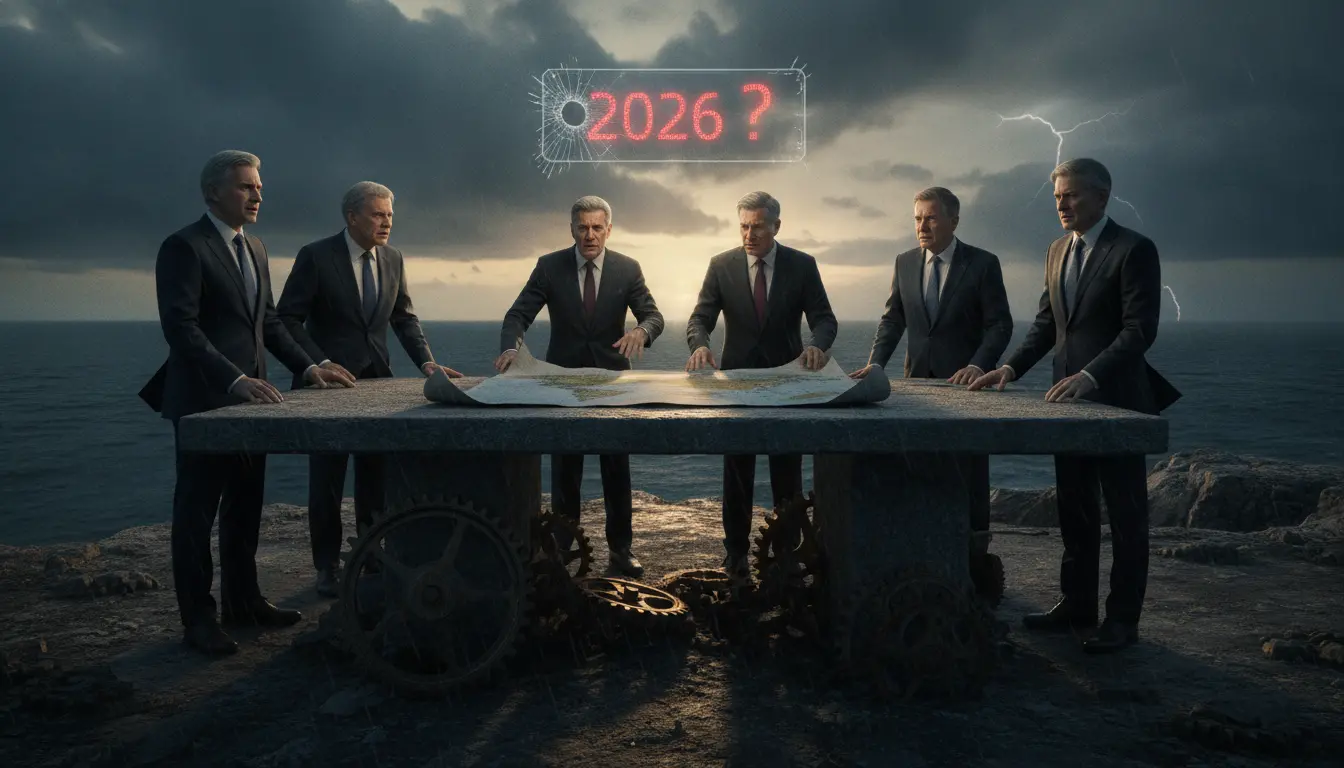
G7 Leaders Face Intensifying Political Pressures, Raising Questions About Tenure Through 2026

Major AI Companies Poised to Launch Advanced LLMs by End of 2026

Tech Giants Escalate High-Stakes Race for Next-Generation AI Models

Leading AI Firms Intensify Push for Flagship LLM Releases by 2026

The Race for AI Supremacy: Tech Giants Accelerate Timelines for Next-Generation Language Models