FinancestocksIPOs and Listings
SpaceX in talks for secondary sale at $800B valuation.
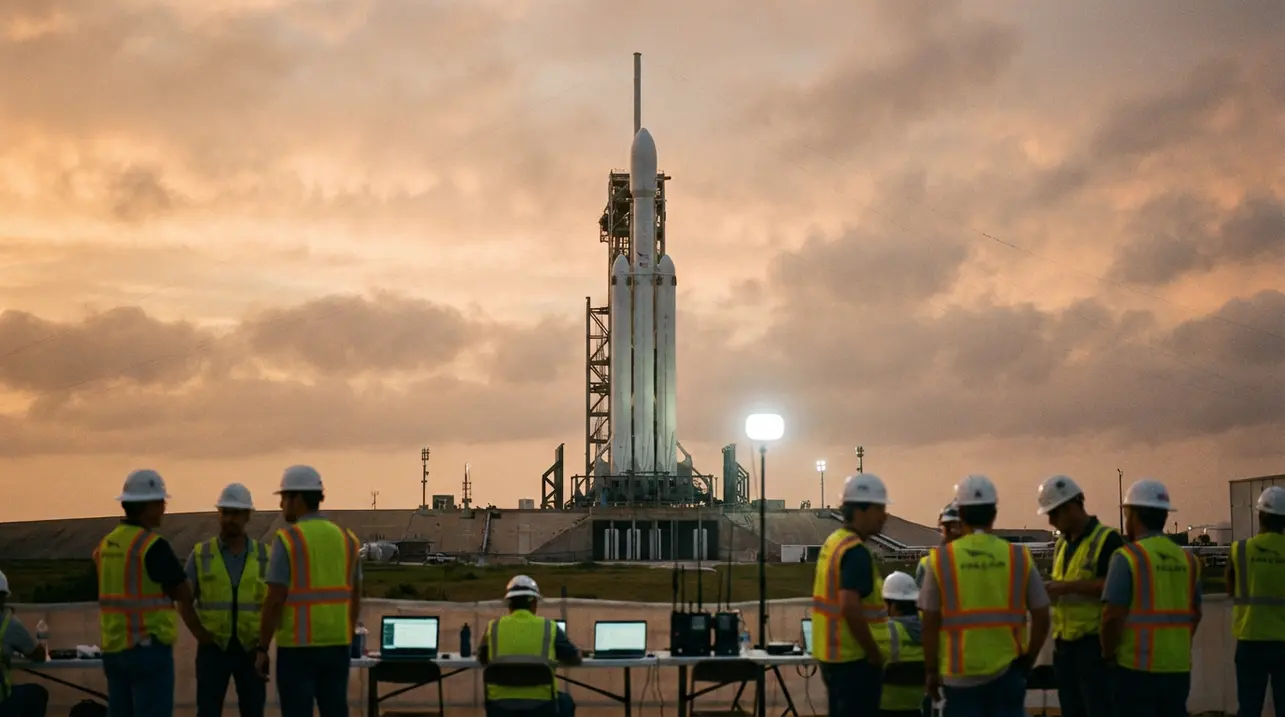
SpaceX, the pioneering aerospace manufacturer and space transportation company founded by the mercurial Elon Musk, is reportedly in discussions for a secondary share sale that would value the private behemoth at a staggering $800 billion. This eye-popping figure, which would place SpaceX's worth in the same stratosphere as the world's most valuable public companies, is a testament not just to the firm's audacious achievements—from reusable Falcon rockets to the burgeoning Starlink satellite constellation—but to a broader, more profound shift in how we assign value to the future.It reflects a new era where mega-valuations in private markets have become almost routine, a phenomenon fueled by a potent cocktail of ultra-low interest rates in the recent past, a flood of capital chasing exponential growth, and a collective bet on visionary technologies that promise to reshape humanity's destiny. To understand the gravity of an $800 billion tag on a company that primarily launches satellites and supplies the International Space Station, one must look skyward, both literally and metaphorically.This isn't merely a valuation based on current revenue streams, though contracts with NASA and global telecoms are substantial; it's a valuation anchored firmly in the Martian soil. Musk's unwavering, almost religious commitment to making humanity a multi-planetary species is the core narrative driving this financial meteor.Investors aren't just buying a piece of a rocket company; they are purchasing a stake in what is effectively the sole infrastructure provider for the next great frontier, a bet that SpaceX will be the conduit for off-world mining, space-based manufacturing, and ultimately, the colonization of Mars. This secondary sale, allowing early employees and investors to cash out some chips while bringing in new, deep-pocketed believers, functions as a crucial pressure valve and a vote of confidence, suggesting the company may still be years away from an IPO as it continues to burn capital on moonshot projects like the fully reusable Starship spacecraft.The figure invites immediate comparison to Tesla's own volatile market cap odyssey, another Musk venture where reality often plays catch-up with a future-forward valuation. Critics, of course, will point to the dizzying disconnect from traditional financial metrics and warn of a speculative bubble in private tech, reminiscent of the dot-com era but with far more expensive hardware.Yet, proponents argue that the old models simply don't apply when the addressable market expands from Earth to the entire solar system. The consequences of this valuation ripple far beyond SpaceX's headquarters in Hawthorne, California.It sets a new benchmark for the entire New Space sector, potentially drawing more investment into competitors like Blue Origin and Rocket Lab, but also raising the bar impossibly high for newcomers. It influences talent wars, as the promise of lucrative equity pulls the best engineers from legacy aerospace and Silicon Valley alike.
#SpaceX
#secondary sale
#$800B valuation
#private company
#finance news
#lead focus news