Robinhood expands prediction markets into sports amid regulatory challenges.
LI
1 day ago7 min read
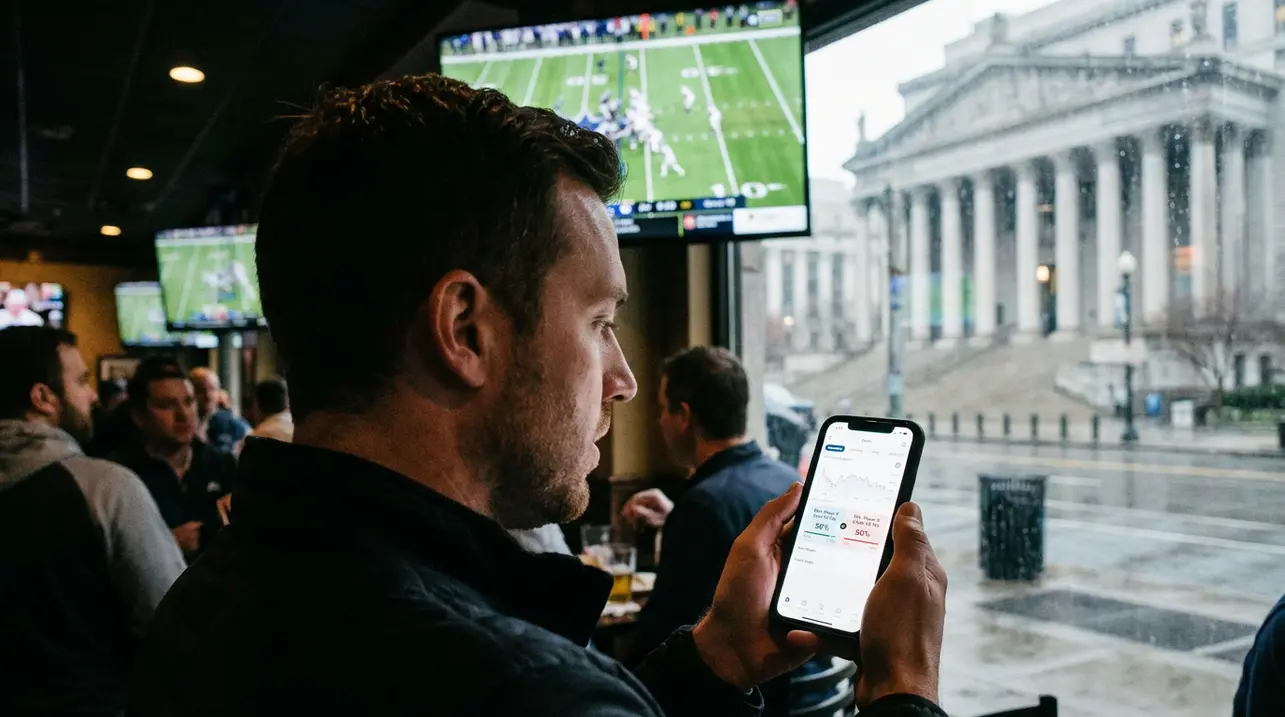
Robinhood is doubling down on the idea that its users treat their portfolios like a fantasy league, and this week’s move is a full-court press into sports. The trading app just dropped a major update to its prediction markets, letting folks trade contracts on individual NFL player performances and pre-packaged game combos.Come early next year, users will be able to build their own custom parlays, stacking up to ten different outcomes—winners, spreads, totals—into one single contract. It’s like building your ultimate starting lineup, but for betting… or, as Robinhood insists, ‘trading.’ Adam Hickerson, the company’s senior director of futures and prediction markets, told Fast Company they’re all ears if customers want to trade on anything, hinting at a future where contracts could mix sports, climate, and politics. This isn’t just a side hustle; since launching prediction markets in late 2024, it’s become Robinhood’s fastest-growing business, with users trading a staggering 2.5 billion contracts in October alone. The most popular stuff? Sports, obviously.Robinhood argues this isn’t gambling because the users set the odds through trading, not the house, but let’s be real—it taps directly into the same sports speculation frenzy that’s everywhere. Pew Research says 22% of U.S. adults have bet on sports in the past year, and among guys under 30, it’s 36%.Robinhood isn’t alone here; Fanatics just launched its own prediction-market app, making it the first major sportsbook to jump in. The regulatory defense, however, is facing a full-court press of its own.States like New Jersey, Nevada, Connecticut, and Ohio have sent cease-and-desist letters, calling it unlicensed gambling. Robinhood sued New Jersey and Nevada earlier this year, fighting to keep its markets alive.There’s a real philosophical battle here: is buying a contract on whether the Titans cover the spread meaningfully different from placing a bet at a sportsbook? Robinhood and its partner Kalshi say yes—they make money on fees, not outcomes, and the market determines the price. If regulators buy that argument, these contracts could be offered nationwide, even in states where traditional sports betting is illegal.But not everyone’s convinced, and the legal challenges are mounting. This whole saga feels like a natural next chapter for Robinhood.Remember, this is the app that got famous during the GameStop meme-stock frenzy, where investing felt more like a video game. Critics like Charlie Munger called it a ‘gambling parlor masquerading as a respectable business.
#prediction markets
#Robinhood
#sports betting
#regulation
#fintech
#featured
Stay Informed. Act Smarter.
Get weekly highlights, major headlines, and expert insights — then put your knowledge to work in our live prediction markets.
’ After the backlash, Robinhood dialed back some gamified features (RIP confetti animation), but it never really changed its core audience: active, engaged traders who generate most of its revenue. CEO Vlad Tenev has admitted these users are their lifeblood, and keeping them happy means letting them trade on whatever they want.
Prediction markets, especially around events like the 2024 election where Polymarket saw over $3. 3 billion in volume, have proven there’s massive appetite.
Robinhood’s journey here has been messy. A planned Super Bowl contract partnership with Kalshi got yanked hours after announcement due to CFTC concerns.
But by March, they launched their prediction markets hub anyway, and a CFTC official later said there was ‘no legal justification’ to stop them. Now, they’re even planning to launch their own exchange with Susquehanna International Group.
The competition is heating up, with Coinbase reportedly planning its own prediction markets via Kalshi, and the political winds might be shifting in their favor. Donald Trump Jr.
joined Kalshi as an advisor, Polymarket returned to the U. S.
legally partly thanks to him, and President Trump nominated a Kalshi board member to chair the CFTC. For traditionalists, mashing sports contracts, stocks, crypto, and AI-powered portfolio analysis into one app might seem chaotic, but for Robinhood, that’s the whole play.
As Oren Naim, VP of platforms, put it, the long-term vision is to be your one-stop shop for any financial need. Scrolling through the prediction markets now, you can even find contracts on what Robinhood’s own CEO will say in his next keynote.
As of Monday, the market gave a 72% chance he’d say ‘sport. ’ In the end, Robinhood isn’t just expanding a product line; it’s betting big that the line between trading, gaming, and speculating has permanently blurred for a generation of users who want action on everything, everywhere, all at once.