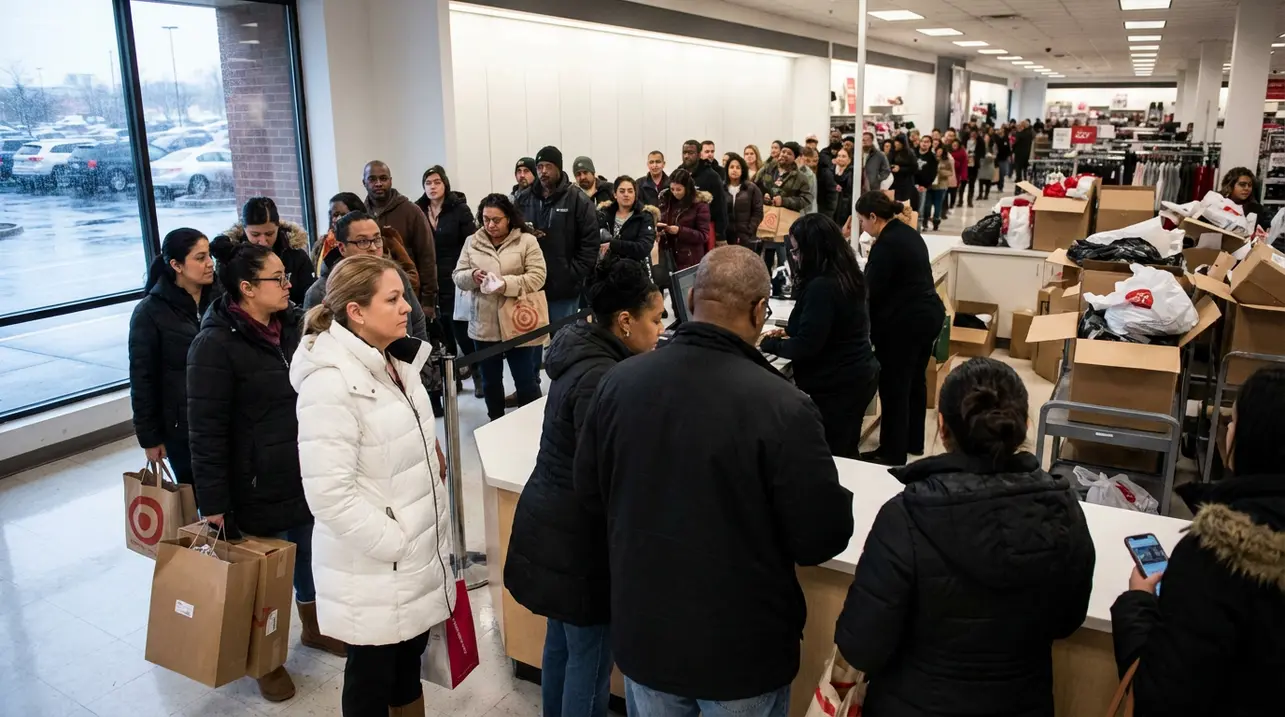
Most returned Christmas gifts and the retail impact of returns.
The glow of the Christmas tree fades, and for millions of Americans, the real holiday tradition begins: the trek to the return counter. It’s a ritual that turns well-meaning gifts into a staggering financial headache for retailers, with tens of billions of dollars in merchandise flowing back every January.Think of it as the season’s most predictable, and costly, side hustle. The data tells a clear story: Adobe Analytics notes a 25-35% spike in returns starting December 26th, a surge so prolonged it’s earned its own nickname—'Returnuary.' This isn't just about a few ill-fitting sweaters; it's a systemic issue where an estimated 20-25% of all retail sales, representing nearly $1 trillion in goods, are expected to be sent back in 2025, according to returns platform Seel. The most frequent offenders? Clothing and shoes top the list, a category where guessing size and style is a high-stakes gamble, followed by accessories and electronics that often miss the mark on personal taste or practicality.The average price tag of a returned item sits between $100 and $200, a significant chunk of change that highlights the scale of the problem. But here’s the personal finance angle many miss: the true cost extends far beyond the store’s balance sheet.As Bobby Ghoshal, CEO of AI shopping platform Dupe. com, points out, the number one reason for returns is wrong sizing, forcing recipients into unwanted errands.'If you're causing your daughter-in-law to run extra errands to the mall with three kids in tow to exchange a sweatshirt, she may not be as grateful as you would expect,' he notes, framing returns as a logistical and relational tax on the recipient. For retailers, the aftermath is even grimmer.Emily Hosie, founder of open-box marketplace REBEL, reveals a harsh truth: most returned items never see a shelf again due to costly processing, contributing to an estimated 8. 4 billion pounds of landfill waste annually—a sobering environmental and economic inefficiency.However, not all gift categories are created equal. Marty Bauer, an e-commerce expert at Omnisend, observes stability in toys and beauty products post-holiday, suggesting the return surge is driven more by rushed, last-minute purchases than deliberate gifting in researched categories.So, what’s the path forward? The retail industry is placing a big bet on artificial intelligence as a tool to shrink this deficit. A Talkdesk holiday survey found 73% of consumers believe AI will make them less likely to return products, as better sizing tools and virtual try-ons lead to more confident purchases.This represents a fascinating convergence of fintech and consumer behavior—using smart tools to make smarter, more financially and ecologically sound decisions. The bottom line for any savvy shopper or budget-conscious gift-giver is this: the post-Christmas return line is a powerful reminder that thoughtfulness, aided by technology, is the ultimate currency. It’s less about spending more and more about spending wisely, ensuring gifts are wanted, fit, and don’t end up as a cost to the wallet, the relationship, or the planet.
#returns
#retail
#holiday shopping
#e-commerce
#sustainability
#AI shopping
#lead focus news