FinancecommoditiesOil and Energy Markets
India Halts New Coal Power Plans Post-2035 Amid Grid Strain
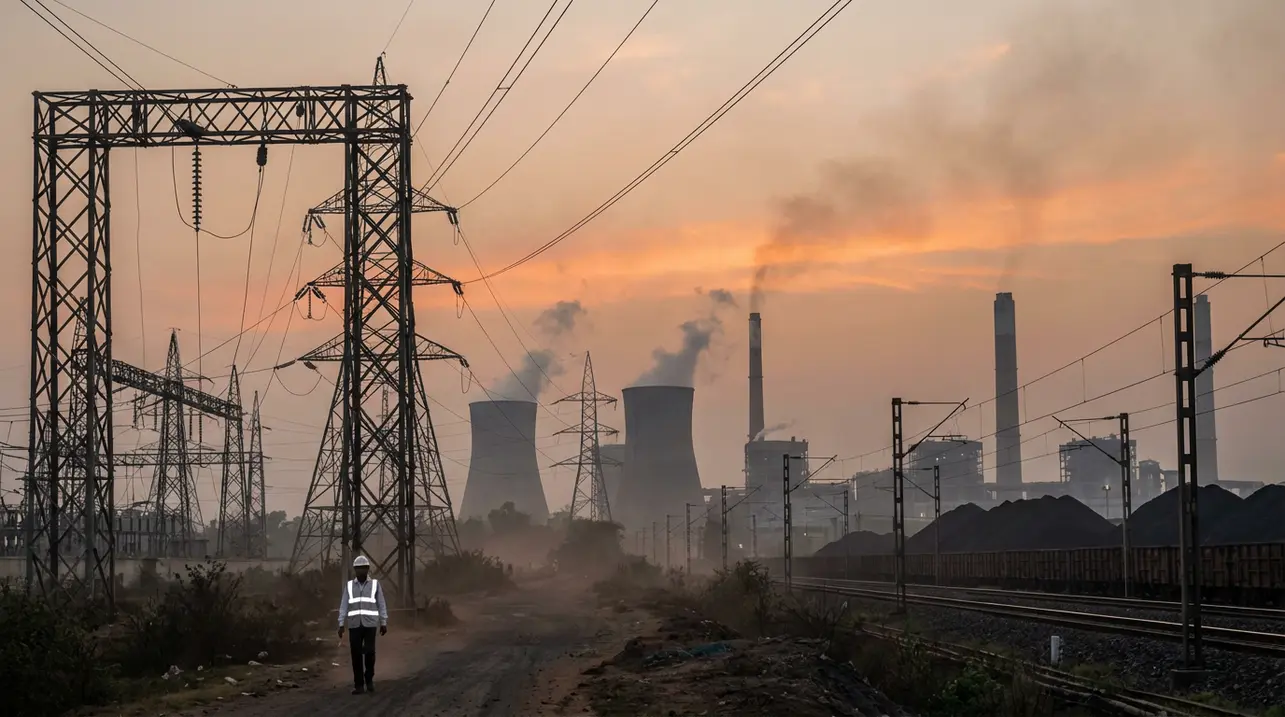
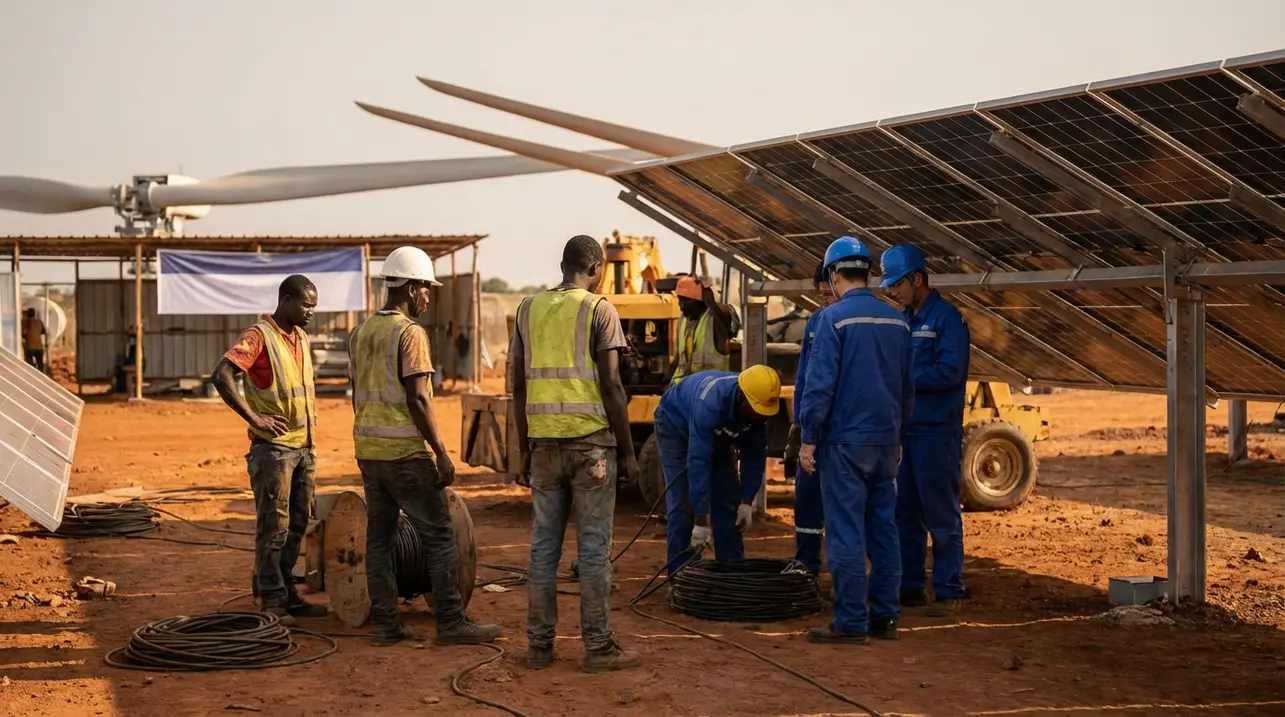
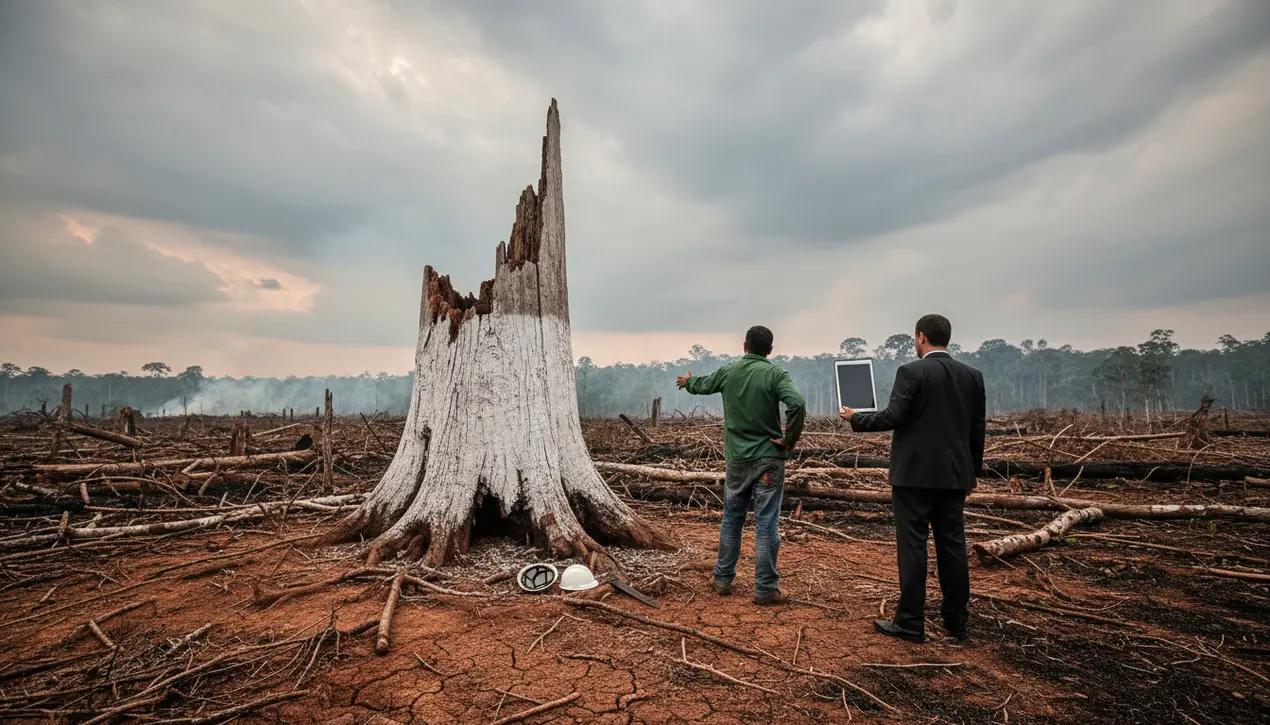
In a significant declaration that underscores the immense tension between developmental imperatives and ecological responsibility, a senior Indian power ministry official, Pankaj Agarwal, stated on Sunday that the nation has no immediate plans to expand its coal-fired power generation capacity beyond the year 2035. This announcement, made on the sidelines of a ministry event, frames India’s energy security ambitions within a specific, albeit distant, carbon ceiling.Agarwal articulated the target clearly: “India wants to secure its energy requirements. As of 2035, we want to have a coal capacity of 307 gigawatts.” However, he notably left the door ajar for the future, cautioning that it would be “premature to say what we want to do beyond 2035. ” This statement arrives against a backdrop of a paradoxical reality where, just this year, India proposed a staggering 46 per cent increase in its coal power capacity from current levels, a move driven by relentless electricity demand, grid strain during extreme heatwaves, and the fundamental need to power its booming economy.The 307-gigawatt cap, therefore, represents not an immediate retreat from the fossil fuel that currently supplies about 70% of India's electricity, but a potential plateau after a final surge of construction. For climate activists and biologists like myself, who view data through the lens of planetary health, this is a narrative fraught with contradiction.On one hand, India has made globally significant commitments, targeting 500 gigawatts of renewable energy capacity by 2030 and a net-zero economy by 2070. The solar parks sprawling across Rajasthan and the wind farms of Tamil Nadu are testaments to this accelerating transition.Yet, the continued reliance on and planned expansion of coal—the single largest source of global carbon emissions and a primary driver of air pollution and habitat destruction—paints a more complex and sobering picture. The official reasoning is rooted in grid stability and base-load power; renewables, while growing exponentially, are intermittent, and India’s battery storage and grid modernization efforts are still scaling up.This energy trilemma—balancing security, affordability, and sustainability—is felt acutely in a nation where millions still seek reliable access. The consequences of this ‘final build-out’ before 2035 are profound.Each new coal plant represents decades of locked-in emissions, air pollution impacting urban and rural communities alike, and continued pressure on water resources for cooling. From an ecological standpoint, it perpetuates the very extraction and combustion cycles that exacerbate the climate vulnerabilities India itself faces, from intensified monsoons to devastating heat domes.
#India
#coal power
#energy security
#grid capacity
#2035 target
#featured
#power ministry
#energy policy