Financefintech & paymentsDigital Wallets
How Taiwan Made Cashless Payments Cute
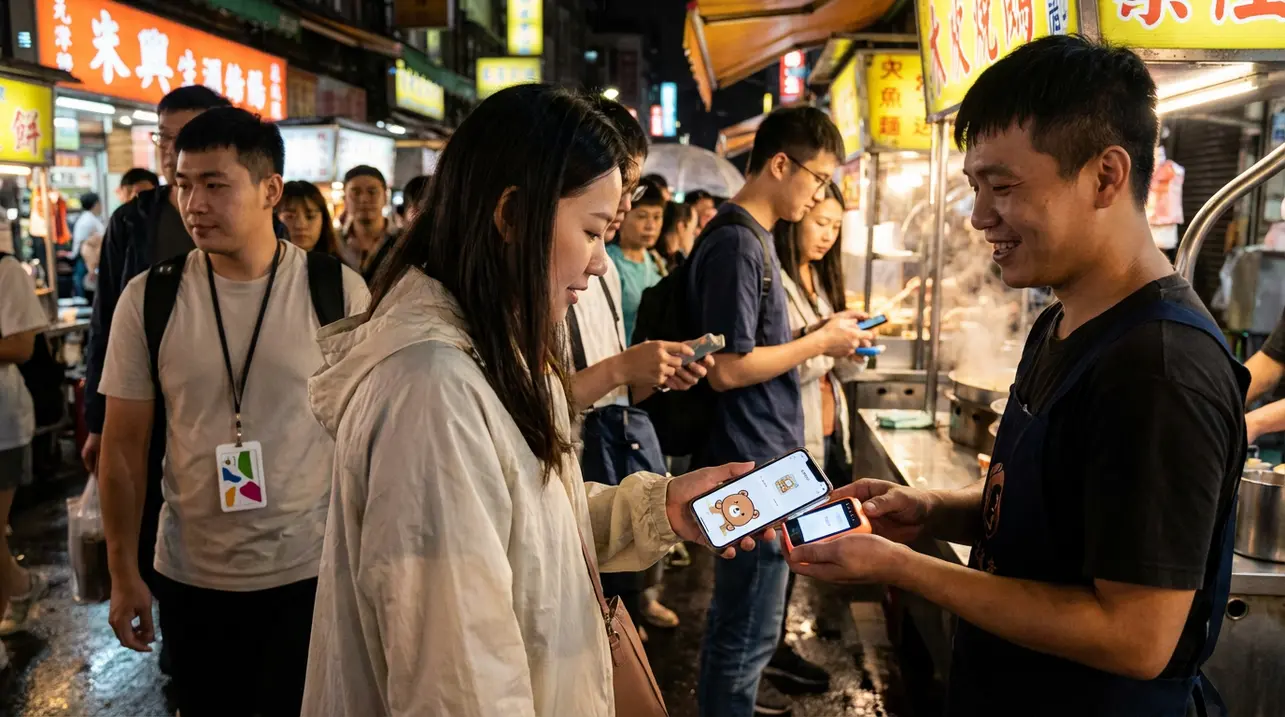
Taiwan’s quiet revolution in how people pay for things is a masterclass in practical innovation, proving that the future of finance isn't just about raw technology—it's about what feels right in your hand and makes sense in your daily life. While mainland China's financial landscape is dominated by monolithic, state-aligned QR code systems like Alipay and WeChat Pay, creating a seamless but centralized digital experience, Taiwan has charted a completely different, charmingly tactile course.Here, the cashless ecosystem is a vibrant, decentralized patchwork. It’s not just about scanning a code; it's about tapping a whimsically designed transit card shaped like a cartoon character to buy a bubble tea, using a contactless credit card with local bank perks at a night market stall, or even settling a bill between friends with a few taps on a homegrown app.This divergence is profoundly strategic. For Taiwan, developing a distinct digital identity is as much about economic sovereignty and cultural expression as it is about convenience, creating a buffer against the overwhelming influence of Chinese tech giants and offering a model of democratic, consumer-friendly fintech.The infrastructure is deliberately fragmented, with multiple players—from local banks and the government-backed Taiwan Pay to the ubiquitous EasyCard—competing and collaborating. This competition drives better user experiences and prevents any single entity from holding a monopoly on data, a sharp contrast to the surveillance-capable, data-harvesting models often associated with China's systems.The 'cuteness' factor, seen in the collectible, artist-designed card sleeves and limited-edition payment gadgets, isn't frivolous; it's a brilliant user-onboarding strategy that lowers technological barriers and embeds financial tools into the fabric of local culture and lifestyle. It turns a utility into a personal accessory, a conversation starter.From a personal finance perspective, this ecosystem empowers the individual with choice. Consumers aren't funneled into one walled garden; they can mix and match tools based on rewards, design preferences, and specific use-cases—be it for the metro, convenience stores, or online shopping.This mirrors the savvy, DIY approach to managing money that builds true financial literacy, much like diversifying an investment portfolio instead of putting all your trust in a single stock. The Taiwanese model demonstrates that successful fintech adoption doesn't require top-down, authoritarian control.It can bubble up from local needs, fostered by open APIs, supportive regulation that prioritizes consumer protection over corporate consolidation, and a genuine understanding of what makes people actually want to leave cash in their wallets. As the world debates the future of digital currencies and payment networks, Taiwan's experience offers a crucial, human-centric lesson: the most resilient and adopted systems are often those that are not only efficient but also delightful, distributed, and deeply integrated into the local way of life.
#lead focus news
#Taiwan
#cashless payments
#digital payment infrastructure
#QR codes
#decentralized systems
#fintech innovation