Financecentral banksInterest Rate Decisions
Hong Kong Interbank Rates to Fall on Expected US Rate Cuts in 2026
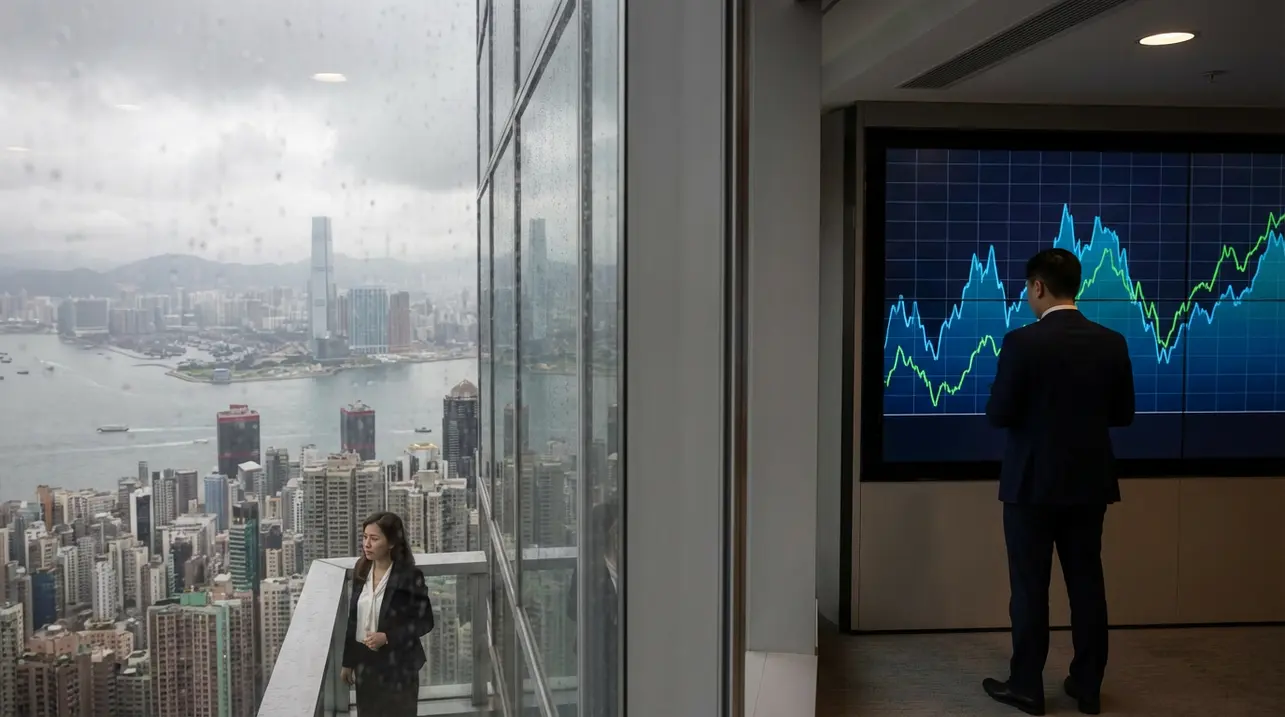
The intricate dance between the Federal Reserve and global financial markets is poised for another consequential turn, with analysts now projecting a series of interest rate cuts totaling up to 75 basis points under a new Fed Chair in 2026. This anticipated monetary policy pivot, a continuation of the easing cycle that saw a full percentage point reduction in 2024 followed by another 75 basis points in 2025, is set to send ripples directly into the heart of Hong Kong's banking system.The city's unique currency peg to the US dollar ensures its monetary policy moves in lockstep with Washington's, making the HKMA's base rate—currently at 4%—a direct reflection of Fed decisions. Consequently, the expected 2026 cuts will mechanically lower Hong Kong's interbank offered rates (HIBOR), the benchmark for a vast swath of mortgages and corporate loans, providing immediate relief to borrowers tied to this floating rate.However, the story for the broader public is more nuanced, as the city's prime lending rate, the traditional benchmark for retail loans set by major commercial banks, is likely to remain stubbornly anchored at its historical low. This divergence between HIBOR and prime rate creates a complex financial landscape; while corporations and savvy homeowners with HIBOR-linked financing will cheer cheaper capital, the average consumer and small business reliant on prime-based loans may see little direct benefit, highlighting a growing segmentation within the credit market.The persistence of a low prime rate, even as interbank costs fall, speaks volumes about the cautious posture of Hong Kong's banking giants, who are likely balancing thin net interest margins against a backdrop of lingering economic uncertainty and property market fragility. From a macro perspective, this Fed-driven easing is a double-edged sword for Hong Kong.On one hand, it alleviates debt servicing burdens and could stimulate investment, offering a tailwind to an economy still finding its footing. On the other, it reinforces the city's absolute dependence on US monetary policy, leaving it exposed to imported inflation risks should the Fed's timeline prove misaligned with local economic conditions.Furthermore, it places the HKMA in a reactive rather than proactive role, limiting its toolkit to address domestic overheating or asset bubbles independently. Historical parallels, such as the post-2008 era of ultra-low rates, remind us that prolonged cheap money can fuel asset price inflation, particularly in real estate, potentially exacerbating Hong Kong's chronic affordability crisis. As we look toward 2026, the key question for market watchers isn't just the magnitude of the cuts, but the signaling from the new Fed leadership and the subsequent behavioral response from Hong Kong's conservative banking sector, which will ultimately determine how deeply this monetary stimulus permeates the real economy.
#Hong Kong interbank rates
#US Federal Reserve
#monetary policy
#interest rate cuts
#HKMA
#lead focus news