FinancebondsGovernment Bonds
China's Renminbi Bonds Help Fund Global South Climate Projects
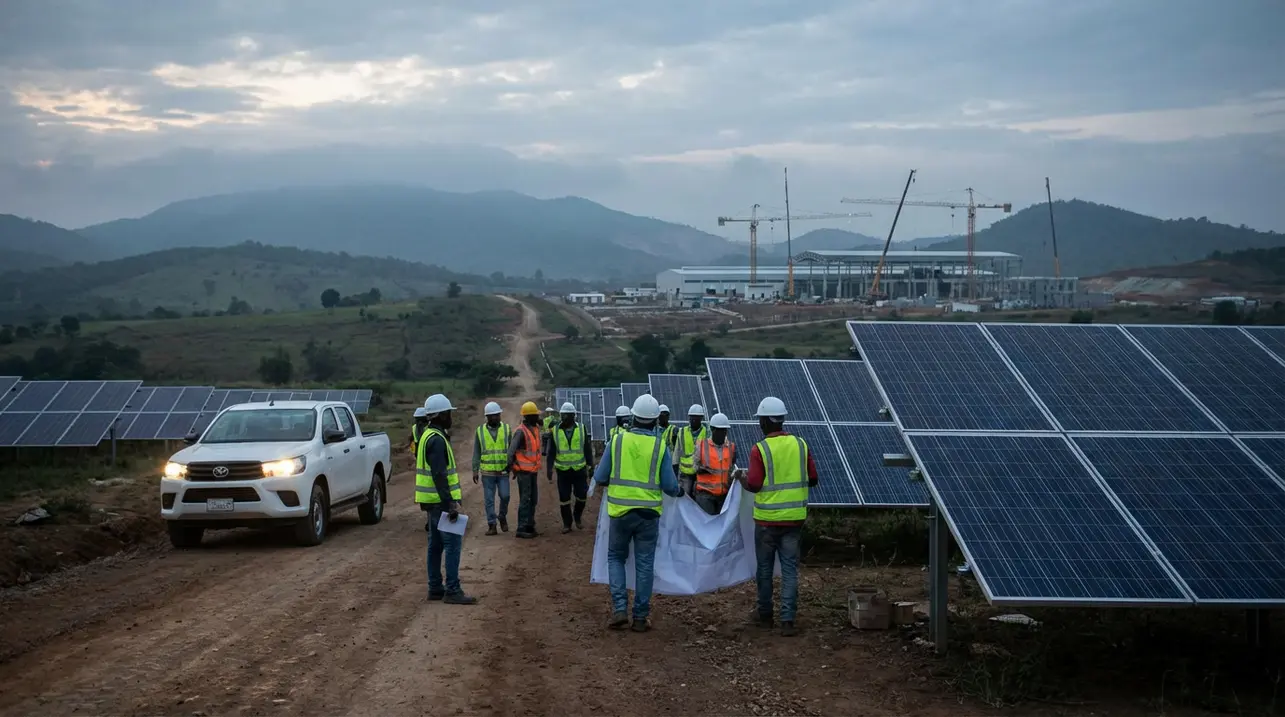
Look, if you’ve been watching the global financial wires lately, you’ll have noticed a quiet but seismic shift in how climate projects are getting funded, and it’s not coming from the usual suspects in Washington or London. Instead, the action is increasingly denominated in renminbi.China is rapidly building out a trio of fast-growing markets for yuan-denominated bonds—think green bonds, ‘panda’ bonds for foreign issuers, and the Belt and Road Initiative-linked debt—and this financial infrastructure is becoming the go-to capital pipeline for sustainability ventures across the Global South. With traditional Western creditors and multilateral institutions often hamstrung by political gridlock, high borrowing costs, and risk aversion, a vacuum has emerged.Chinese finance, with its state-backed policy banks and a growing ecosystem of commercial players, is stepping in to fill it, not just as a lender of last resort but as a strategic architect of a new, parallel funding ecosystem. This isn't merely about swapping dollar debt for yuan debt; it's a fundamental recalibration of financial influence.The mechanism is elegant in its simplicity: by issuing and purchasing renminbi bonds, China can recycle its domestic savings and its vast foreign exchange reserves directly into projects from solar farms in Kazakhstan to sustainable agriculture in Kenya, all while mitigating currency risk for both borrower and lender. For nations in Africa, Southeast Asia, and Latin America, this offers a tantalizing alternative to the often-conditional and slow-moving funds from the IMF or World Bank.The implications, however, stretch far beyond project finance. This push is accelerating the internationalization of the yuan, creating deeper, more liquid offshore renminbi markets in hubs like Hong Kong and London.It’s a masterclass in using finance as soft power, tying the economic futures of developing nations closer to Beijing’s orbit through the practical, tangible need for climate-resilient infrastructure. Critics, of course, point to the risks of debt-trap diplomacy and question the environmental standards of some Chinese-funded projects.Yet, the sheer scale and speed of deployment are undeniable. While Western debates over climate finance remain mired in abstraction, China is deploying capital on the ground, building tangible assets and, in the process, writing the rulebook for a new era of development finance.For TradFi observers, this is a case study in market creation; for the crypto and DeFi world, it’s a fascinating analogue to building alternative financial rails. The long-term consequence? The global fight against climate change is increasingly being funded—and therefore shaped—by Chinese capital and Chinese priorities, a reality that will define geopolitics and global markets for decades to come.
#renminbi internationalization
#climate finance
#green bonds
#Global South
#Chinese finance
#featured