FinancebankingDigital Banking
Bulgaria smoothly transitions to euro with dual currency period.
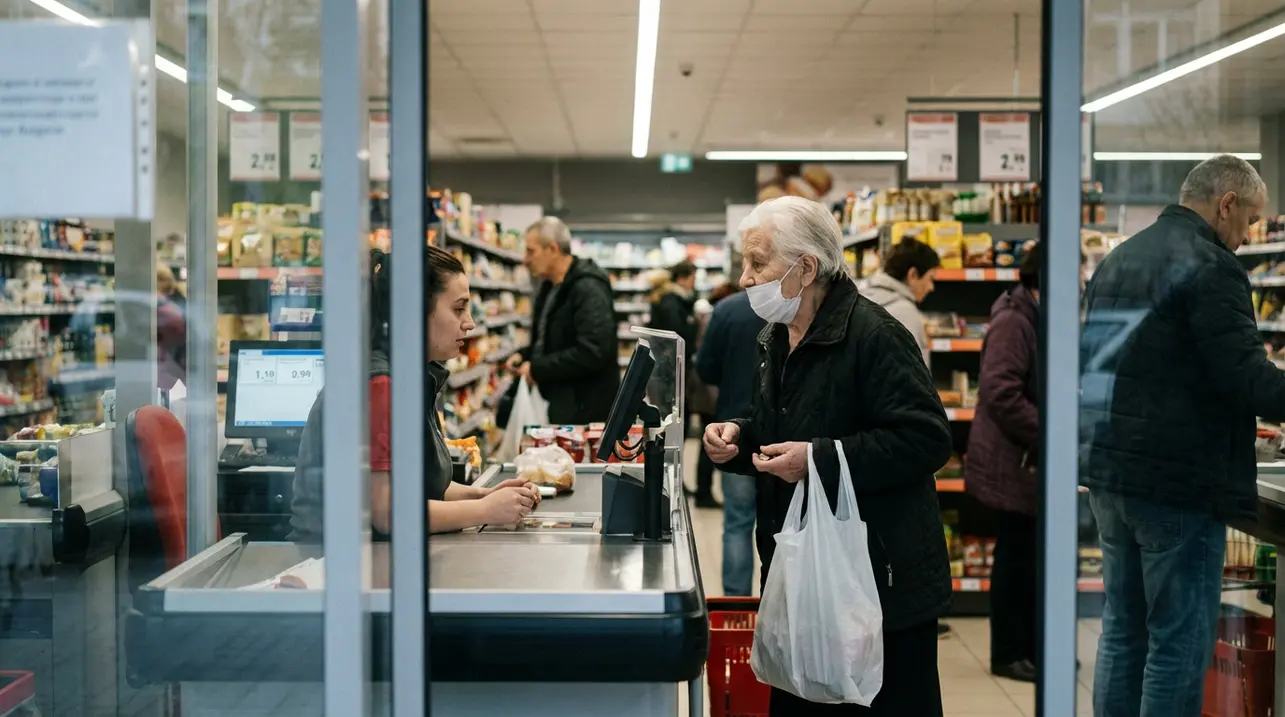
The quiet hum of a successful monetary transition is a sound any finance professional loves to hear, and Bulgaria’s first days using the euro have been a masterclass in just that. While the headline event—the introduction of the single currency on January 1st, 2024—was a monumental shift, the real story unfolded in the mundane: at bank counters, in supermarket aisles, and in the wallets of everyday Bulgarians.The dual-currency period, where both the euro and the national lev will circulate until the end of the year, has begun not with a bang of confusion but with a smooth, almost seamless, adaptation. This isn't just a bureaucratic win; it's a powerful lesson in financial preparedness and public trust, the kind of foundational move that Warren Buffett might applaud for its long-term, stability-focused thinking.For years, Bulgaria had been preparing for this moment, pegging its lev to the euro back in 1997 as a cornerstone of its currency board arrangement, a move that tamed hyperinflation and laid the groundwork for today's calm. This pre-existing link meant exchange rate volatility was already a non-issue, allowing the public and businesses to focus purely on the practicalities of the switch.Banks, having conducted extensive dry runs and public information campaigns, reported minimal operational hiccups, with ATMs dispensing crisp euro notes and point-of-sale systems effortlessly handling dual displays. Shops, from Sofia's high-end boutiques to provincial grocery stores, displayed prices in both currencies, a transparency that prevented price-gouging fears and built consumer confidence.This practical, step-by-step rollout mirrors the best principles of personal finance: set a clear goal (Eurozone entry), build a solid foundation (the currency board), educate yourself thoroughly (public campaigns), and execute without panic. The broader context here is Bulgaria's two-decade journey toward deeper European integration, viewing the euro not just as a currency but as a gateway to lower borrowing costs, increased foreign investment, and a stronger voice within the EU's core economic bloc.Critics, of course, point to the loss of independent monetary policy, a tool that can be crucial during asymmetric economic shocks. However, for a small, open economy like Bulgaria's, deeply intertwined with Eurozone trade, the benefits of eliminating exchange rate risk and transaction costs for businesses and tourists alike are profoundly tangible.Expert commentary from Sofia-based economists suggests the real test will come not in the first week, but over the coming months as the psychological shift from 'lev' to 'euro' settles in, and as the European Central Bank's policies directly impact Bulgarian mortgages and savings. The smooth start, however, sets a powerfully positive tone.
#euro adoption
#Bulgaria
#currency transition
#banking sector
#retail adaptation
#lead focus news