

- News
- Entertainment
- Streaming Platforms Intensify Pursuit of Exclusive Rights to Major Network TV Shows

Streaming Platforms Intensify Pursuit of Exclusive Rights to Major Network TV Shows
The landscape of television is undergoing a profound transformation as major streaming services increasingly turn their sights toward acquiring exclusive streaming rights for established, active network television series. This strategic pivot, driven by an insatiable demand for proven content and a fierce battle for subscriber retention, signals a new era where the traditional boundaries between linear broadcast and digital distribution are rapidly blurring. No longer content with solely developing original programming or archiving beloved classics, platforms like Netflix, Max, and Disney+ are now actively poaching popular, currently airing shows from the major broadcast networks, aiming to consolidate viewer attention and bolster their competitive edge in a crowded market. This move represents a significant financial and cultural shift, reshaping how audiences consume television and forcing broadcasters to reconsider the value proposition of their most successful franchises.
For decades, network television held an undeniable monopoly on mass audience engagement, with hit shows forming the bedrock of American pop culture. However, the rise of streaming has steadily eroded this dominance, leading to a fragmented viewing environment where consumers have an unprecedented array of choices. In response, streaming giants initially focused on producing expensive, high-quality original series to attract subscribers. Yet, as the market matures and subscription fatigue sets in, the efficacy of relying solely on new, untested concepts is being re-evaluated. The acquisition of established network shows offers a different kind of value: a built-in audience, proven storytelling, and a consistent content pipeline. Shows with established fanbases, from long-running dramas to popular sitcoms or procedurals, provide a reliable draw, capable of luring viewers away from traditional broadcast schedules and anchoring them to a streaming ecosystem. This trend isn't entirely new; the migration of iconic library shows like "The Office" (to Peacock) and "Seinfeld" (to Netflix) demonstrated the power of pre-existing popularity, but the focus is now squarely on active series, still generating buzz and new episodes, creating an immediate and tangible impact on viewership figures.
The motivations behind this aggressive content acquisition strategy are multifaceted. For streaming platforms, the goal is clear: subscriber growth and retention. In a highly competitive environment where churn is a constant concern, a popular, ongoing network show can act as a powerful anchor, providing a regular influx of new episodes that keep viewers engaged and subscribed. Netflix, Max (formerly HBO Max), Disney+, Hulu, Peacock, and Paramount+ are all contenders in this high-stakes game. Each platform seeks to differentiate itself and offer unique value. For instance, a drama with a loyal following could significantly boost engagement metrics, while a family-friendly sitcom might appeal to a broader demographic. These deals often come with hefty price tags, reflecting the perceived value of an established brand and its ability to deliver immediate audience traction. For the traditional networks, selling exclusive streaming rights for their current hits presents a complex dilemma. While it offers a substantial immediate financial windfall, it also risks cannibalizing their own live viewership and advertising revenue, potentially accelerating the decline of linear television.
The implications of this trend ripple throughout the entire entertainment ecosystem. For viewers, it means an increasingly fragmented viewing experience, where following a favorite show might require subscribing to multiple platforms, adding to their monthly expenses. It also blurs the lines between what constitutes "network TV" versus "streaming," as content moves fluidly between distribution channels. For the studios and producers behind these shows, it opens up new and lucrative revenue streams, allowing them to monetize their intellectual property in innovative ways. However, it also introduces complexities in negotiation, balancing the interests of broadcast partners with the growing demands of streaming giants. The financial stakes are enormous, with some deals potentially running into hundreds of millions of dollars over multi-year terms. The challenge for networks will be to determine which shows, if any, are too vital to their brand identity and live audience to relinquish, and how to innovate their own digital strategies to compete with the sheer financial power of the streaming services.
Looking ahead, the acquisition spree for active network shows is expected to intensify, driven by the ongoing consolidation in the media industry and the relentless pursuit of market share. This trend underscores a broader shift towards content ownership and vertical integration, where companies aim to control both production and distribution. While it promises an even more diverse and accessible content library for consumers in the short term, it also raises questions about the long-term sustainability of traditional broadcast models and the potential for streaming content costs to spiral. The scramble for exclusive rights to proven hits is a clear indicator that in the current media landscape, established popularity is a highly coveted commodity, and streaming platforms are willing to pay a premium to secure it, fundamentally altering the broadcast playbook for years to come.
Stay Informed. Act Smarter.
Get weekly highlights, major headlines, and expert insights — then put your knowledge to work in our live prediction markets.
Related News
Major Streaming Services Intensify Scrutiny of Popular Series Amidst Profitability Drive
Future of 'The Office' Spinoff 'The Paper' Hangs in Balance Ahead of Season 2 Debut
Kim Kardashian's 'UPDATE' Energy Drink Brand Targets Ambitious US Retail Footprint
Donald Trump's Potential 2028 Presidential Bid Already Shaping Republican Landscape
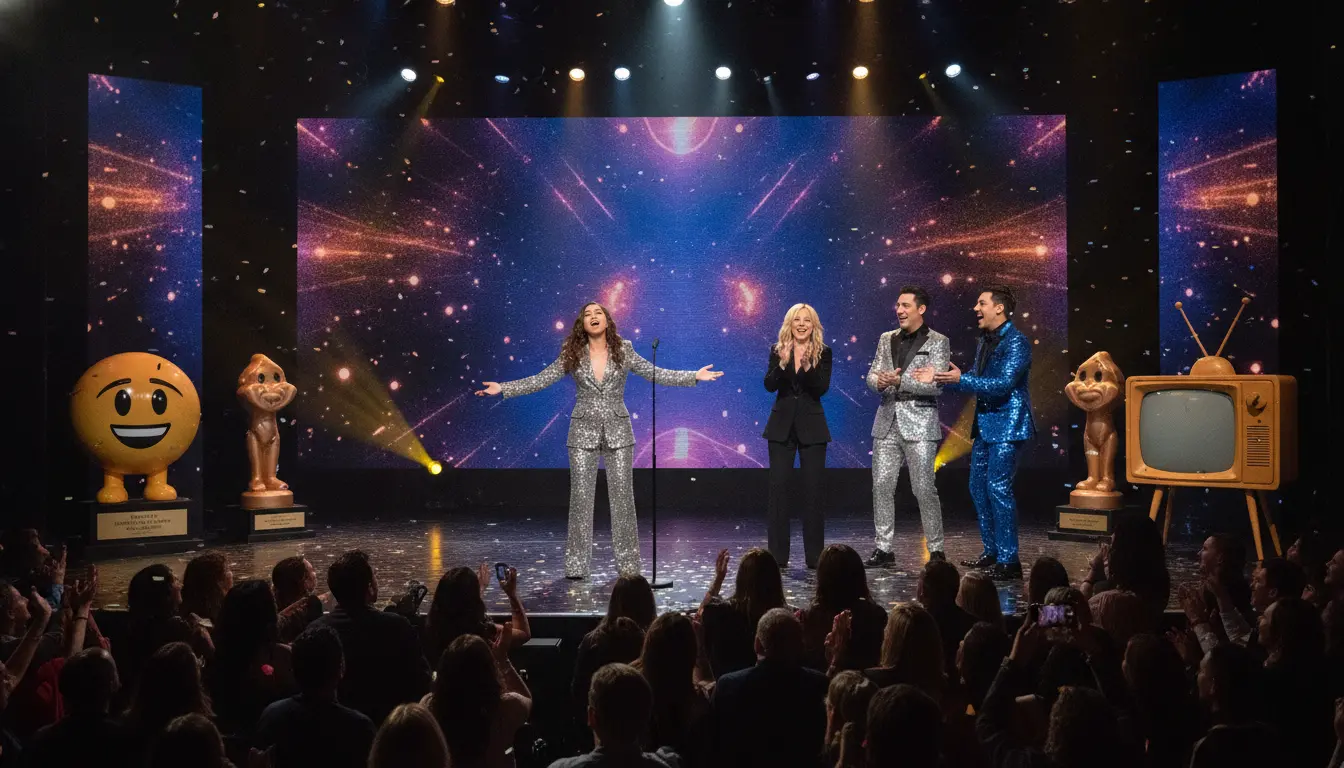
Las Culturistas Culture Awards Recap: Rachel Zegler Covers ‘Fame Is a Gun,’ Lisa Kudrow Takes the Stage and All the Best Moments
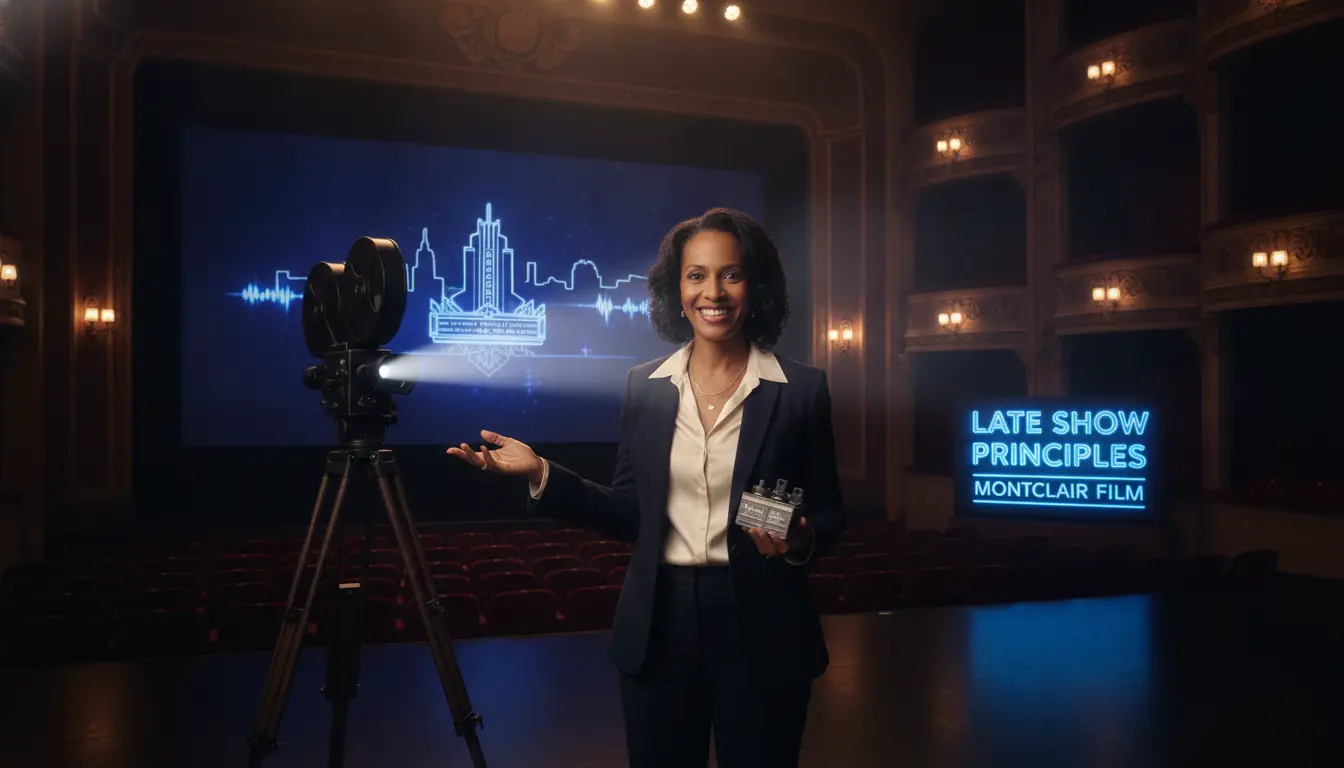
Evie Colbert Reveals ‘Late Show’ Principles She Brought to Montclair Film

Conor McGregor's MMA Future Under Scrutiny Following Injury and Loss
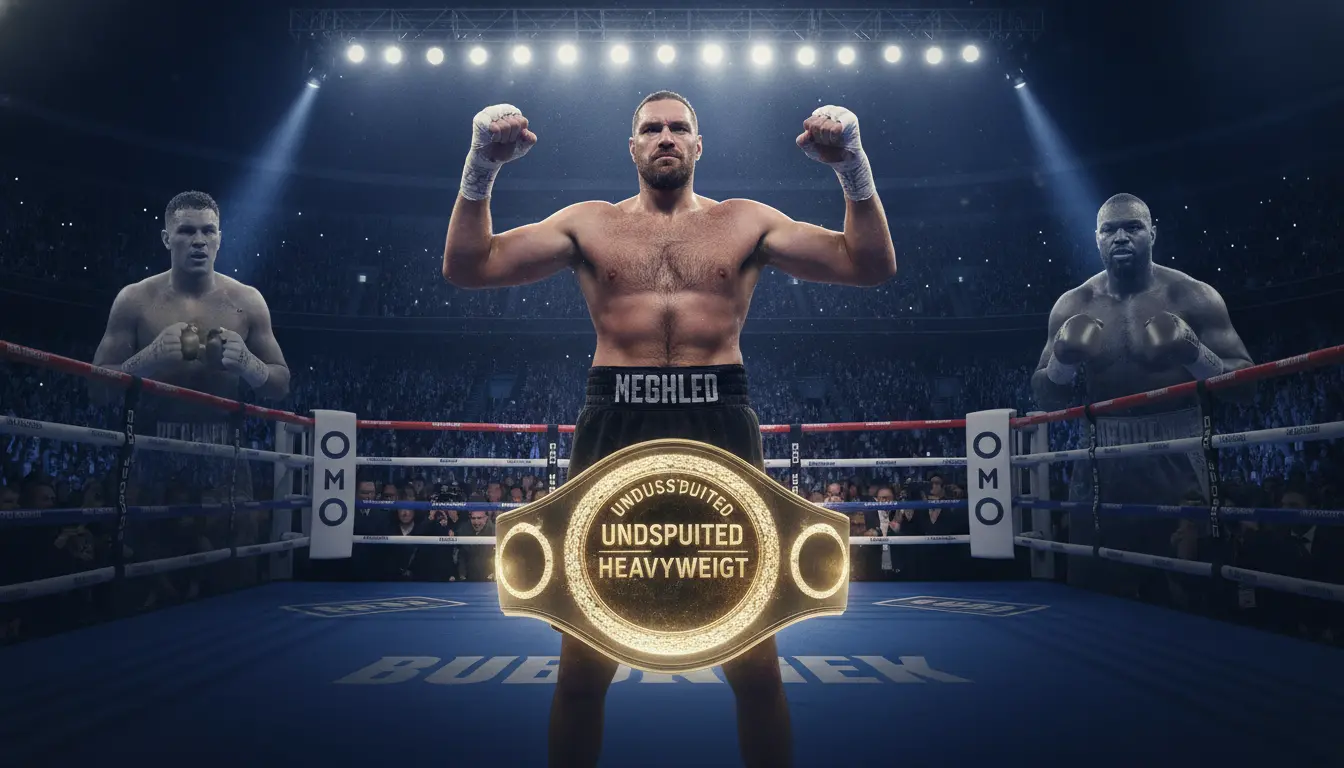
Tyson Fury's Path to Undisputed Status Dominates Heavyweight Conversation Amidst Unexpected Matchup Mentions
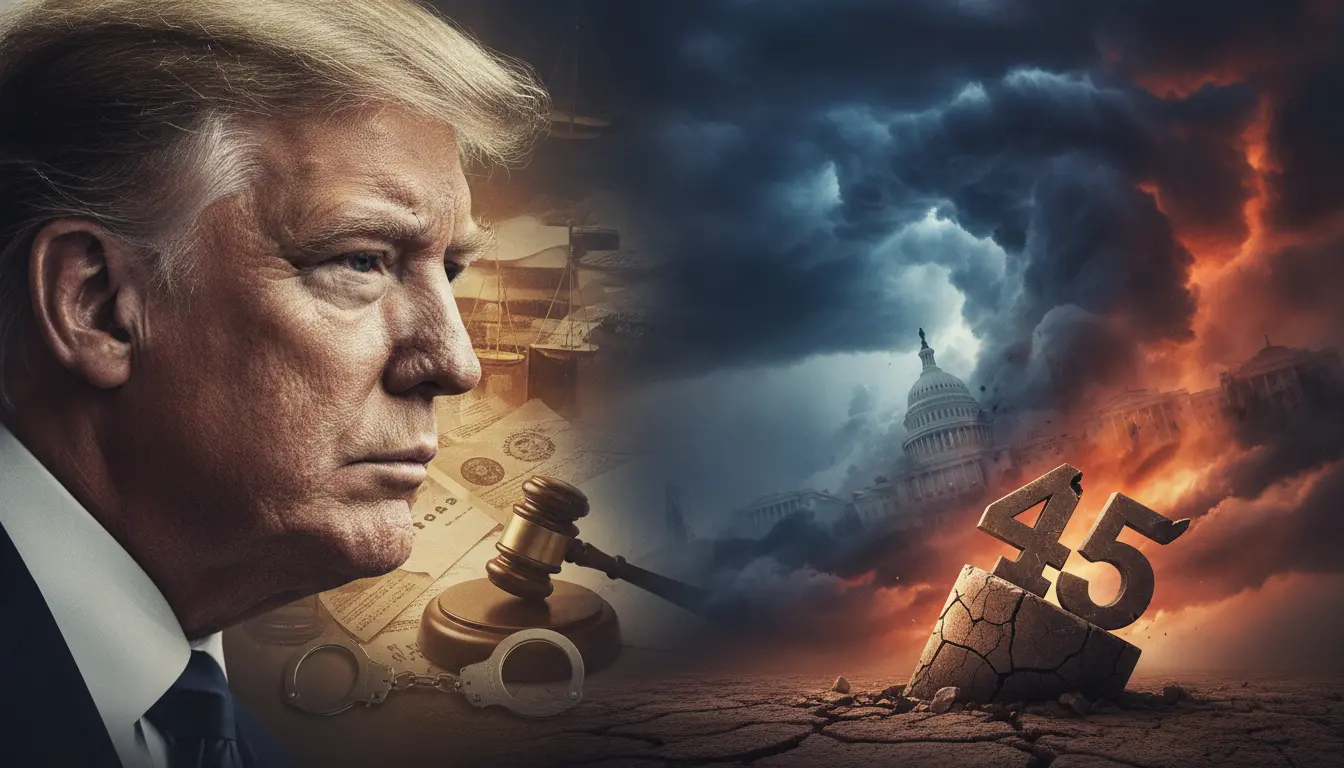
Age, Legal Woes, and Political Volatility Fuel Speculation Over Durability of a Potential Second Trump Term

US-Iran Tensions Escalate Sharply After Renewed Strikes and Trump's 'Ceasefire Over' Proclamation