

Entertainment
South Korean Celebrities Face Backlash and Career Disruptions from Fans
LI
Lily Harper
6 months ago7 min read
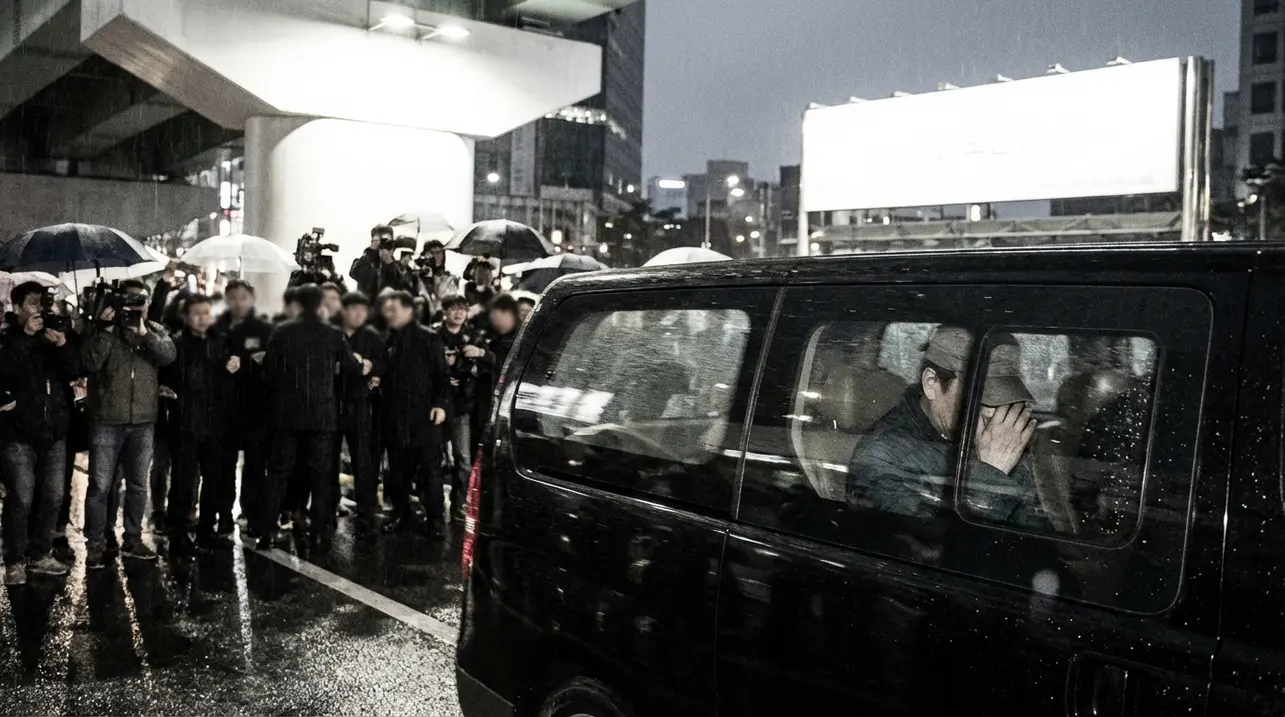
In the glittering, high-stakes world of South Korean entertainment, where fame is a currency more volatile than crypto, a single week in early December delivered a stark reminder of its fragility. Three beloved stars—actor Cho Jin-woong, comedienne Park Na-rae, and fellow comic Cho Hyun-ah—found their careers abruptly halted, not by scandalous new revelations, but by the unforgiving court of public opinion and fan power.This wasn't a coordinated takedown by rival agencies or a media exposé; it was the culmination of a long-simmering shift where the audience, armed with smartphones and a relentless memory, has become the ultimate arbiter of a celebrity's fate. Cho Jin-woong's fall was particularly Shakespearean.Here was a respected actor, a fixture in critically acclaimed films and dramas, whose past—a decades-old juvenile detention stint from his youth—resurfaced online like a ghost. In an industry that meticulously crafts pristine, relatable images, this blemish, however old, was deemed irredeemable by a segment of netizens.His retirement announcement on December 6th wasn't just a personal decision; it was a surrender to a culture where one's entire life is subject to perpetual audit. The speed was breathtaking.One day, he's a household name; the next, he's issuing a somber statement, his future projects evaporating. It speaks to a dangerous precedent: that redemption and growth are concepts the digital mob has little patience for, preferring instead the swift, satisfying drama of a downfall.Then, just two days later, the spotlight swung to Park Na-rae, a queen of comedy known for her bold, relatable persona. The allegations against her were of a different, more contemporary flavor: claims of mistreating staff and receiving unauthorized medical treatments.In an era where 'workplace culture' and ethical consumption are buzzwords, these accusations struck at the heart of her brand. Her suspension from broadcasts wasn't mandated by a network executive in a closed-door meeting; it was a preemptive move, a tactical retreat in the face of a swelling online backlash.Fans and anti-fans alike dissected every rumor, every anonymous post, turning social media platforms into a real-time tribunal. Her case highlights how the line between legitimate criticism and malicious rumor-mongering has blurred, with careers held hostage to unverified claims that gain traction through sheer volume of shares.The third case, involving comedian Cho Hyun-ah, though cut off in the prompt, fits a familiar pattern of past controversies—perhaps a problematic joke or an old social media post—being dredged up to fuel the outrage cycle. This trifecta of incidents in one week is no coincidence.It's the logical endpoint of South Korea's unique 'fan culture,' which has evolved from supportive fandom into a powerful, often punitive, force. Fan cafes and online communities don't just organize birthday ads for their idols; they mobilize to demand apologies, boycott products, and pressure agencies to drop talents.This power dynamic creates a paradox: stars are elevated to god-like status by their fans, yet they must walk an impossibly narrow line, forever fearful of offending the very base that sustains them. The agencies, once mighty gatekeepers, now often appear reactive, scrambling to manage crises rather than preventing them.Beyond the immediate drama, the consequences are profound. Creatively, it fosters a climate of extreme caution.Will writers and producers shy away from complex, flawed characters if the actors portraying them must be morally impeccable? Does this pressure for perpetual public sainthood stifle the very artistry that makes K-content globally compelling? Economically, the disruptions are massive. Cancelled dramas, pulled advertisements, and scrapped variety show episodes represent millions in lost revenue, a risky volatility that even the most robust Hallyu business model struggles with.Furthermore, it raises urgent questions about mental health in the industry. The psychological toll of living under this microscope, where every action from a decade ago is potential career suicide, is immense and rarely addressed in the glamorous facade.Looking back, we can see the seeds of this moment in earlier scandals, but the velocity and collective nature of this December purge feel like a new phase. It's a cultural reset, signaling that in 2024, a celebrity's past is never truly past, and their future is only as secure as their last perfectly curated social media post. The red carpet still rolls out, the cameras flash, but underneath the glamour, a chilling new rule has been cemented: in South Korea's entertainment galaxy, the fans now hold the remote control, and they aren't afraid to change the channel—permanently.
#South Korea
#K-pop
#fandom culture
#celebrity scandals
#witch hunts
#cancel culture
#entertainment industry
#lead focus news
Stay Informed. Act Smarter.
Get weekly highlights, major headlines, and expert insights — then put your knowledge to work in our live prediction markets.
Related News
Comments
It's quiet here...Start the conversation by leaving the first comment.