EntertainmentcelebritiesCelebrity News
Renowned South Korean actor Ahn Sung-ki dies at 74.
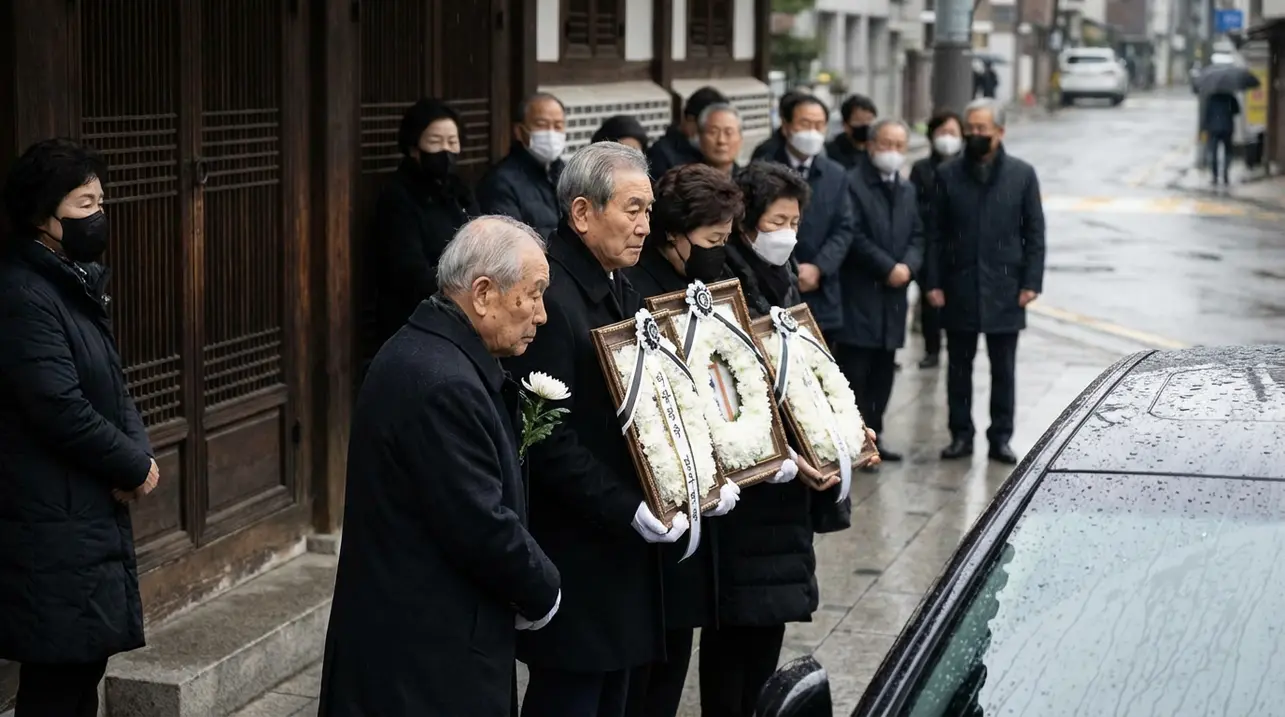
The South Korean film industry, and indeed the nation's cultural heart, has been dimmed with the passing of Ahn Sung-ki at 74. Announced by his agency, The Artist Company, and confirmed by Seoul's Soonchunhyang University Hospital, his death closes a chapter on a staggering 60-year career that earned him the profound and affectionate title of 'The Nation's Actor.' This wasn't merely a marketing moniker; it was a testament to a career built not on scandal or fleeting trends, but on a foundation of consistent, gentle excellence that mirrored the country's own journey through decades of tumult and triumph. Ahn had been battling blood cancer for years, a private struggle that culminated in a tragic turn last Tuesday when he collapsed at home after choking on food, leading to his admission to intensive care.His passing feels less like the loss of a distant celebrity and more like the fading of a familiar, comforting presence—a cinematic uncle who guided audiences through every genre, from the gritty social realism of the 1980s to the blockbuster historical epics of the 2000s. His filmography is a secret map of modern South Korea; you can trace its economic anxieties in films like 'The Uprising,' its historical traumas in 'The Taegeukgi,' and its search for spiritual identity in the beloved 'Mandala.' Unlike many stars whose luminosity burns out or is eclipsed by controversy, Ahn's glow was steady, built on a reputation for professionalism and a palpable kindness that transcended the screen. He wasn't just acting in Korean cinema; he was its moral compass and its most reliable craftsman, a bridge between the golden age of actors like Shin Seong-il and the Hallyu wave that would follow.Critics often speak of an actor's 'everyman' quality, but with Ahn, it was something deeper—a 'national-man' quality, where his personal dignity seemed to reflect an aspirational ideal for the public. His roles rarely relied on pyrotechnics; instead, they were studies in quiet resilience, intellectual depth, and an often sorrowful wisdom, whether he was playing a stoic monk, a determined detective, or a conflicted father.The industry's reaction will be one of profound, respectful mourning, not just for the artist but for the man who served as its elder statesman. His death arrives at a pivotal time for Korean content, globally celebrated yet internally questioning its own industrial pressures.Ahn represented an era where stardom was earned through decades of meticulous work rather than viral moments, a reminder of the craft's enduring core. Future retrospectives will undoubtedly frame him not just as a prolific actor—with over 130 films to his name—but as the human face of Korea's cinematic conscience. His legacy is secure in the celluloid and digital archives, but his absence leaves a palpable void on sets and in the cultural dialogue, a gentle giant whose shadow will long fall across the industry he helped define and dignify.
#Ahn Sung-ki
#South Korea
#actor
#obituary
#blood cancer
#nation's actor
#film industry
#lead focus news