
Poet Lisel Mueller on Meaning in Ephemeral Lives
Outpoll Weekly Recap: Entertainment (January 19 – 25, 2026)
Outpoll Weekly Recap: Entertainment (January 12 – 18, 2026)
Outpoll Weekly Recap: Entertainment (January 5 – 11, 2026)

CES 2026: Entertainment leaders discuss AI, creators, and tech innovation
Outpoll Weekly Recap: Entertainment (December 29, 2025 – January 4, 2026)
Outpoll Weekly Recap: Entertainment (December 22 – 28, 2025)
Outpoll Weekly Recap: Entertainment (December 15 – 21, 2025)

Outpoll Weekly Recap: Entertainment (December 8 – 14, 2025)

Outpoll Weekly Recap: Entertainment (December 2 – 8, 2025)
Outpoll Weekly Recap: Entertainment (November 24 – 30, 2025)

Outpoll Weekly Recap: Entertainment (November 17 – 23, 2025)
Outpoll Weekly Recap: Entertainment (November 10 – 16, 2025)
Top Media and Entertainment Startups from TechCrunch Disrupt Battlefield
Top Media and Entertainment Startups from Disrupt Battlefield
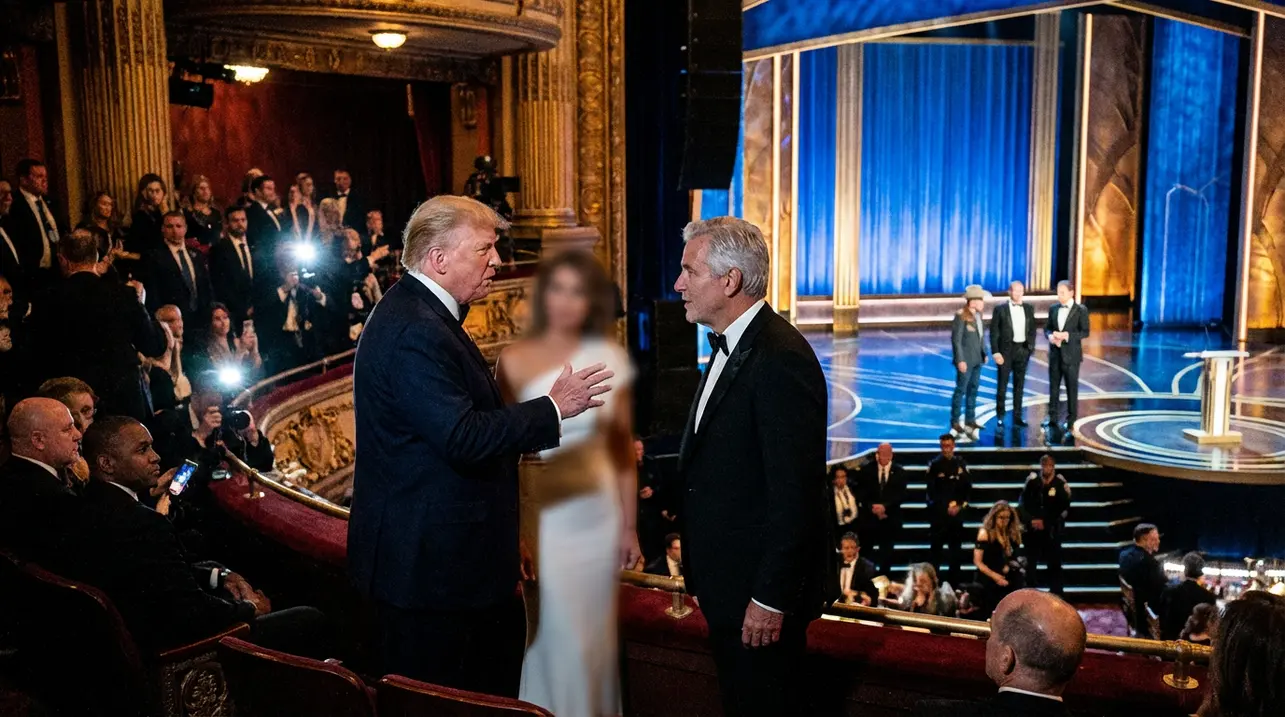
Trump Hosts Kennedy Center Honors, Blending Politics with Entertainment
Loading comments...