Entertainmenttheatre & artsArt Exhibitions
Michelangelo Hid Critics' Portraits in Sistine Chapel Frescoes
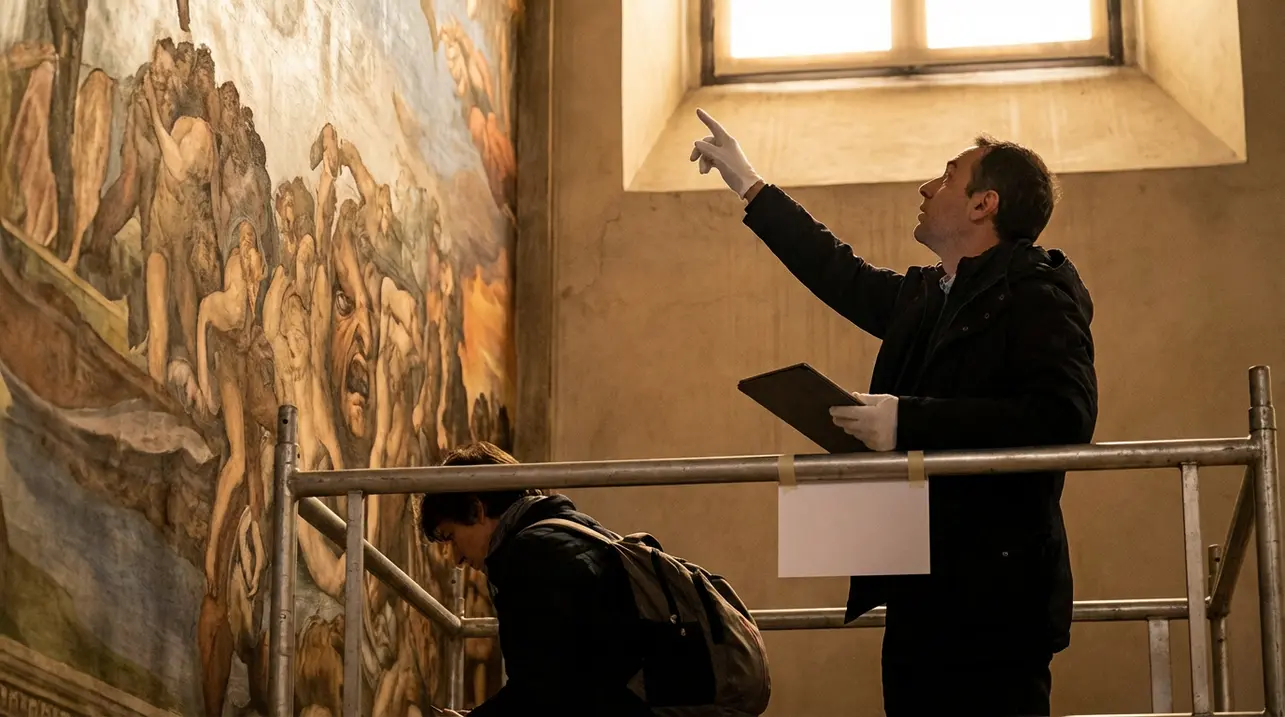
The revelation that Michelangelo embedded the unflattering visages of his critics within the sacred expanse of the Sistine Chapel ceiling is a masterclass in artistic pettiness that would make even the most seasoned Hollywood feud look tame. This isn't merely a historical footnote; it's a profound insight into the psyche of a genius operating under immense pressure, turning a papal commission into a canvas for coded revenge.Imagine the scene: for four grueling years, from 1508 to 1512, Michelangelo Buonarroti, a sculptor who famously disdained painting, labored on his back atop a towering scaffold, his body wracked with pain, frescoing over 5,000 square feet with biblical narratives. His primary patron, Pope Julius II, was a notoriously impatient and volatile man, a figure demanding enough.But the artist also faced a chorus of detractors from the Roman court, including the influential architect Donato Bramante, who, according to Giorgio Vasari’s accounts, had initially recommended Michelangelo for the job in hopes he would fail, and possibly the Pope’s Master of Ceremonies, Johann Burchard, who scorned the project's early unveilings. The genius of Michelangelo’s retaliation lies in its divine camouflage.Within the chaotic tumult of the *Last Judgment*, painted decades later on the altar wall, the artist is said to have depicted the papal master of ceremonies, Biagio da Cesena, as Minos, the judge of the underworld, complete with donkey ears and a serpent coiled around his groin—a blatant and perilous insult. But the earlier ceiling holds subtler, more insidious barbs.Art historians like Antonio Forcellino and others have long speculated that certain grotesque figures and damned souls in the frescoes bear the likenesses of his contemporary rivals. By placing them in hellish contexts or as peripheral grotesques, Michelangelo ensured they would be immortalized not as noble patrons or saints, but as fools and sinners, gazing up at his divine work for all eternity.This act transcends mere gossip; it speaks to the intense rivalry of the Italian Renaissance, where artistic one-upmanship was a high-stakes game of reputation and patronage. It reframes the chapel not just as a spiritual monument but as a deeply personal, human document—a battlefield where aesthetic ideals and wounded pride collided.The consequence was a work of unparalleled psychological complexity layered atop its theological grandeur. For modern audiences, it’s a resonant reminder that great art is rarely born solely from pure inspiration; it is often forged in the fire of conflict, criticism, and the burning desire to have the last, glorious laugh, painted 68 feet above the floor where your detractors must stand in awe.
#Michelangelo
#Sistine Chapel
#art history
#Renaissance
#frescoes
#hidden portraits
#revenge
#featured