EntertainmentmusicTours and Concerts
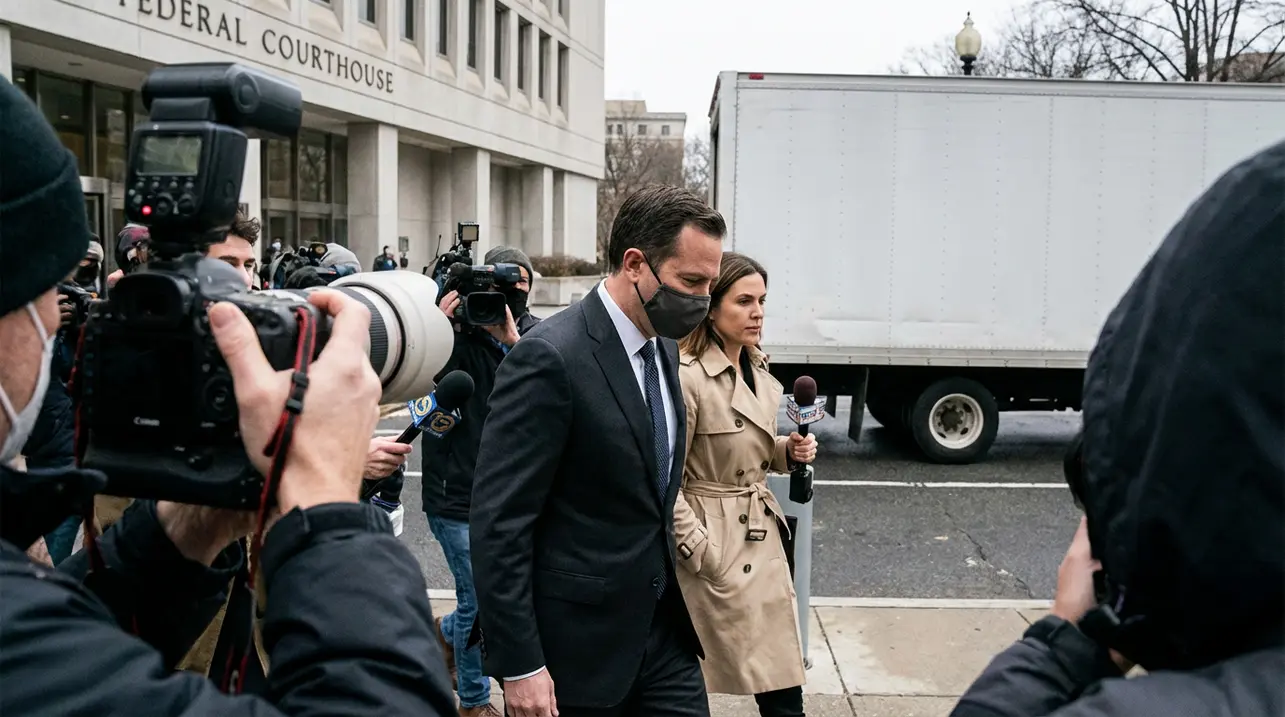
Man Pleads Not Guilty to Stealing Beyoncé's Unreleased Music
In a case that feels ripped from a heist movie plotline, Kelvin Evans has entered a plea of not guilty to charges of allegedly swiping hard drives containing unreleased music and tour plans from none other than Beyoncé. The alleged theft, which authorities say occurred last summer from a rental car in Atlanta, strikes at the heart of the music industry's most guarded asset: the vault.For an artist of Beyoncé's stature, whose every release is a meticulously crafted cultural event, the idea of raw, unfinished material—demos, vocal takes, early mixes, and the strategic roadmap for a future tour—floating in the wild is a nightmare scenario of the highest order. This isn't just about stolen property; it's about the theft of artistic process, of potential, and of the intense secrecy that defines the modern pop machine.Think of it this way: in an era where a single leaked track can derail a rollout and a setlist reveal can spoil months of theatrical planning, those hard drives were more than hardware. They were a treasure map to Queen Bey's next act, a digital crown jewels heist executed not in a high-tech studio, but from the backseat of a car in a Georgia parking lot.The music industry has a long, sordid history with leaks, from the infamous 2014 hack that spilled a trove of celebrity photos to the constant cat-and-mouse game with tracklist pirates. But this feels different, more analog and audacious.It bypasses digital security for a crude, physical grab, suggesting a vulnerability that no firewall can patch. What was on those drives? Were they rough cuts from the much-speculated-about *Renaissance* sequel act? Early visuals for a future tour's interludes? Demo collaborations that may never see the light of day? The silence from Beyoncé's camp, Parkwood Entertainment, is deafening, a standard practice that only amplifies the gravity.Legal experts note that if convicted, Evans faces serious federal charges, as the value of unreleased Beyoncé material—both intrinsic and commercial—is astronomical, potentially elevating this from a simple theft to a major felony with implications under the National Stolen Property Act. Beyond the courtroom, the incident sends a chilling memo to every artist, producer, and manager on tour: your most valuable creations are sometimes at their most vulnerable when they're offline, in transit, in that liminal space between the studio and the server.It’s a stark reminder that in our cloud-based world, the old-fashioned physical backup can become the ultimate liability. For fans, the saga is a bizarre mix of tantalizing intrigue and profound violation—the illicit thrill of what *could* be heard warring with the respect for an artist's right to control her narrative.
#featured
#Beyoncé
#music theft
#unreleased music
#tour plans
#hard drive
#Kelvin Evans
#Atlanta
#legal case