Entertainmenttheatre & artsArt Exhibitions
Art Exhibit Features Robot Dogs with Billionaire Masks Creating NFTs
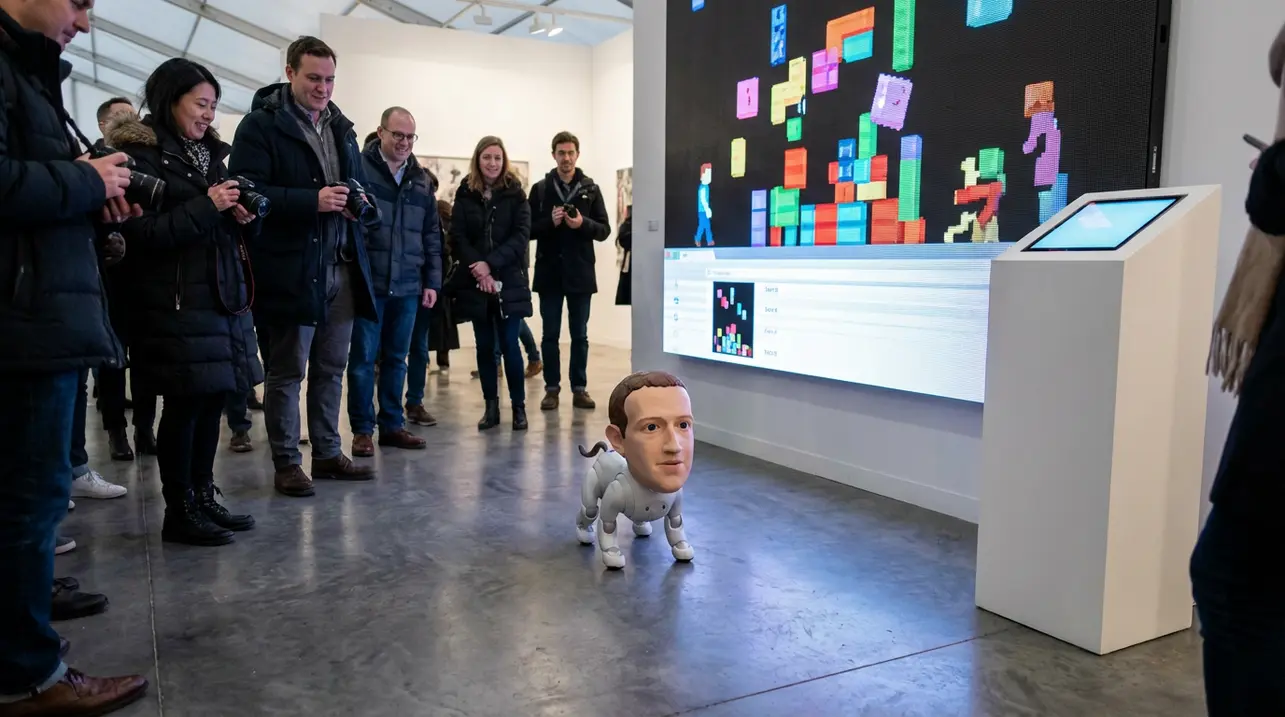
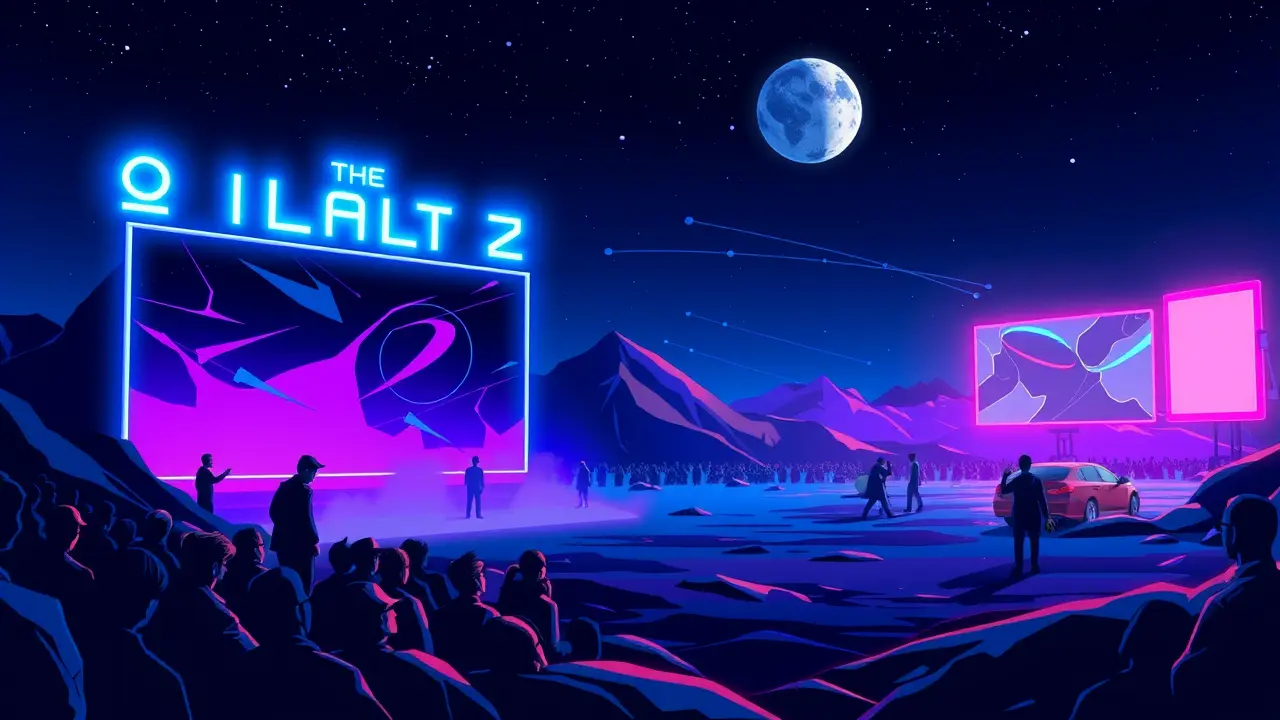
Walking into the Art Basel Miami pavilion this year, the air hummed not just with the usual art-world chatter, but with the distinct, servo-driven whir of Aibo units on the move. The exhibit, a surreal capsule of our present moment, featured robot dogs—not the sleek, futuristic kind, but ones adorned with uncanny, 3D-printed masks caricaturing the visages of tech billionaires.Their programmed task? To ‘create’ non-fungible tokens, a digital process visualized for the gallery as a whimsical, pixelated ‘excretion’ onto a virtual blockchain ledger displayed on massive screens. It’s a piece that feels less like a prediction and more like a funhouse mirror held up to 2025, reflecting a cultural landscape where technology, capital, and art have become so entangled they’re practically performing a bizarre, automated ballet.The artist, channeling a potent mix of satire and prophecy, isn’t just commenting on the NFT craze that peaked and fractured a few years back, but on the entire ecosystem of value creation in the digital age. It asks a piercing question: in a world where algorithms can generate ‘art’ and celebrity branding can mint million-dollar JPEGs, what role does the human artist play? The choice of robot dogs is particularly genius, evoking both the loyal, trainable pets of our childhood and the militarized, surveillance-capable machines being tested in conflict zones today.Slapping a Zuckerberg or Musk mask on them transforms them into avatars of the platform lords whose algorithms already dictate so much of our cultural consumption and creative visibility. This isn’t just art about crypto; it’s a deep, critical dive into Web3’s foundational mythos.The movement promised decentralization—a democratization of creativity and ownership away from traditional galleries and auction houses. Yet, as this exhibit acidly points out, it often merely erected new idols and replicated old power structures, with influencer-billionaires and their viral whims becoming the new curators.The generative art community, where I’ve spent years, has long grappled with this tension between the purity of code-as-creator and the inescapable human hands that write the algorithms and drive the hype. This installation captures that dissonance perfectly.The ‘pooping’ mechanism, childish and visceral, cuts through the often impenetrable, jargon-heavy discourse of blockchain purists, reducing the complex, energy-intensive process of minting to a crude, transactional bodily function. It’s a reminder that behind every smart contract and decentralized autonomous organization (DAO) proposal, there are very human desires for status, profit, and legacy.Contextualizing this within Art Basel, the apex of the physical art market’s glamour and gatekeeping, adds another layer of brilliant irony. Here, where blue-chip paintings sell for hundreds of millions, a critique of speculative value is being staged using the very tools—digital assets, viral concepts—that the old guard once dismissed.
#editorial picks news
#Art Basel Miami
#robot dogs
#NFTs
#digital art
#satire
#contemporary art
#billionaire culture