Archival Expert Restores Degraded Analog Tape Recordings to Save Music History
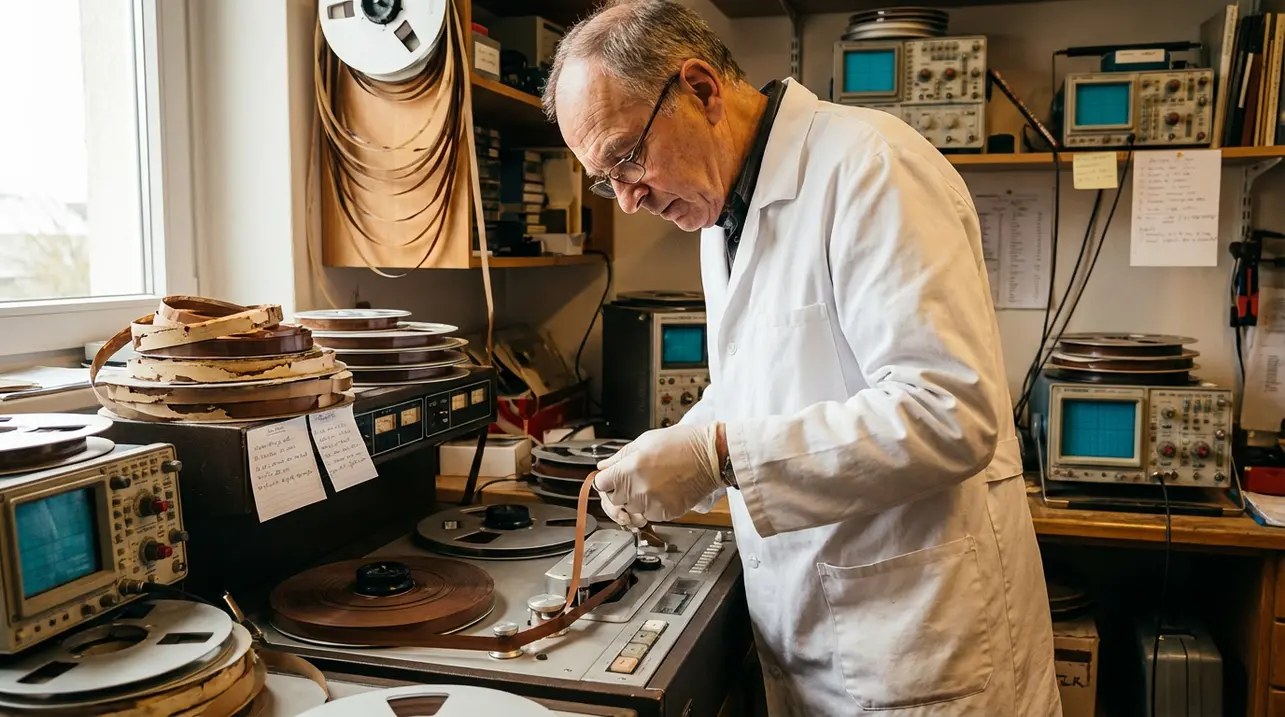
The story of recorded music is a fragile one, etched not in stone but on a medium far more ephemeral: magnetic tape. While the digital revolution of the mid-1980s promised permanence, a vast and irreplaceable swath of our sonic heritage—from the crackling birth of bebop to the sprawling psychedelic sessions of the late '60s—remains hostage to the physical decay of those analog reels.This chapter, what archivists call the Magnetic Era, began not in a Hollywood studio but in the ashes of World War II, with the German invention of magnetic tape in 1945. For decades, it was the canvas for genius, capturing the raw, unfiltered energy of artists in a way digital perfection often sterilizes.Now, those very tapes, the master recordings of legends and one-hit wonders alike, are in a race against time, succumbing to a cocktail of chemical breakdown known as 'sticky-shed syndrome' and the simple, cruel march of entropy. Enter the archival 'magicians,' a small guild of technical savants whose workshops look more like crossbred laboratories and vintage electronics museums.Their mission is nothing less than the forensic rescue of history. The process is painstaking and fraught with risk; a single misstep in baking a degraded tape to temporarily restore its binder, or in calibrating a meticulously refurbished Studer or Ampex machine to play a fragile, unique format, can turn priceless audio into silent, magnetic dust.These experts aren't just technicians; they are audio archaeologists, often needing to be historians and detectives, deciphering studio logs and engineer notes to understand the precise conditions under which a session was captured. The stakes transcend nostalgia.Every restored tape can rewrite history, uncovering lost verses, revealing the palpable tension in a studio between takes, or presenting a classic album in its intended, dynamic glory, free from the compressed loudness wars of later CD masters. Think of the recent revelations from Bob Dylan's 'Blood on the Tracks' sessions or the raw power of the Velvet Underground's early demos—these weren't found in digital clouds but salvaged from physical decay.The work underscores a profound irony of our age: in an era of infinite cloud storage, we are at grave risk of losing the foundational recordings of the last century. It’s a silent crisis, happening in climate-controlled vaults and private collections worldwide.The archivists’ fight is a reminder that preservation is an active, ongoing verb. It demands funding, expertise, and a cultural priority that recognizes these tapes not as obsolete relics, but as the primary-source documents of our collective emotional and artistic history. Without this dedicated intervention, the authentic sound of an era—the hiss, the warmth, the human error and brilliance it contains—could fade to silence, leaving future generations with only the sanitized, digital ghost of music's revolutionary past.
#archival restoration
#analog tape
#magnetic era
#audio preservation
#music history
#featured