US prosecutors push for 12-year prison sentence for Terraform co-founder Do Kwon’s role in $40 billion collapse
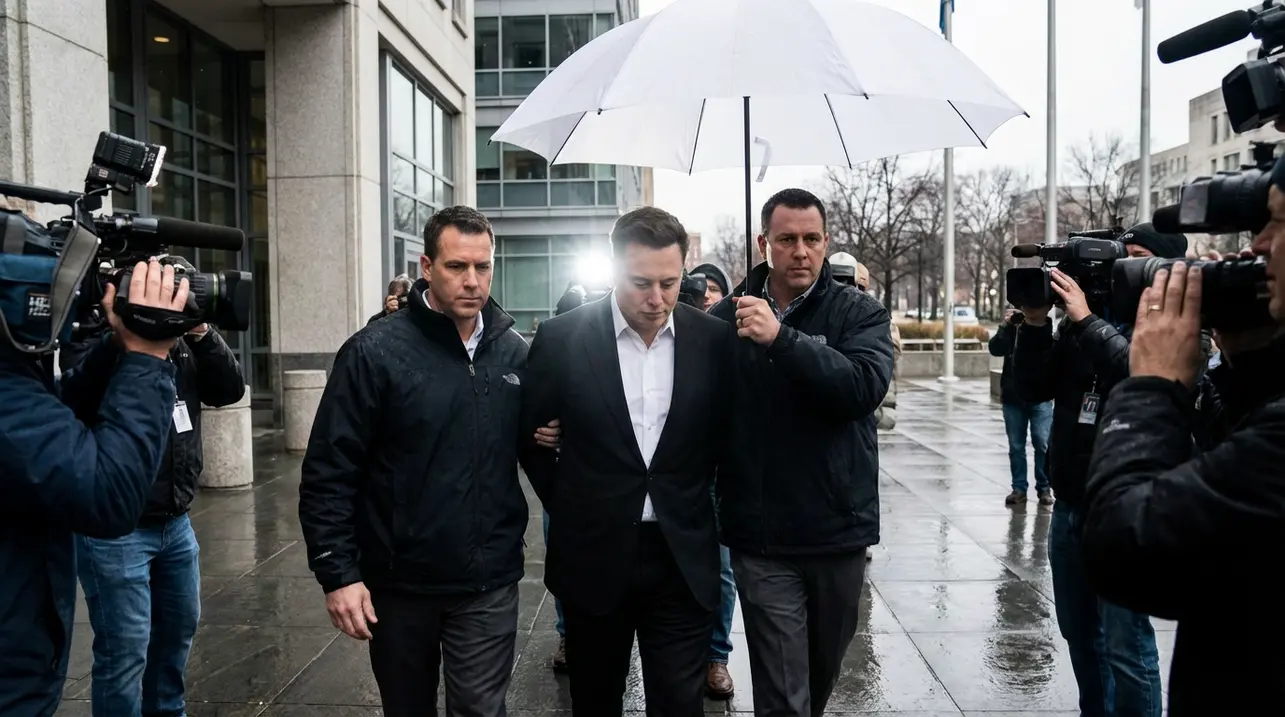
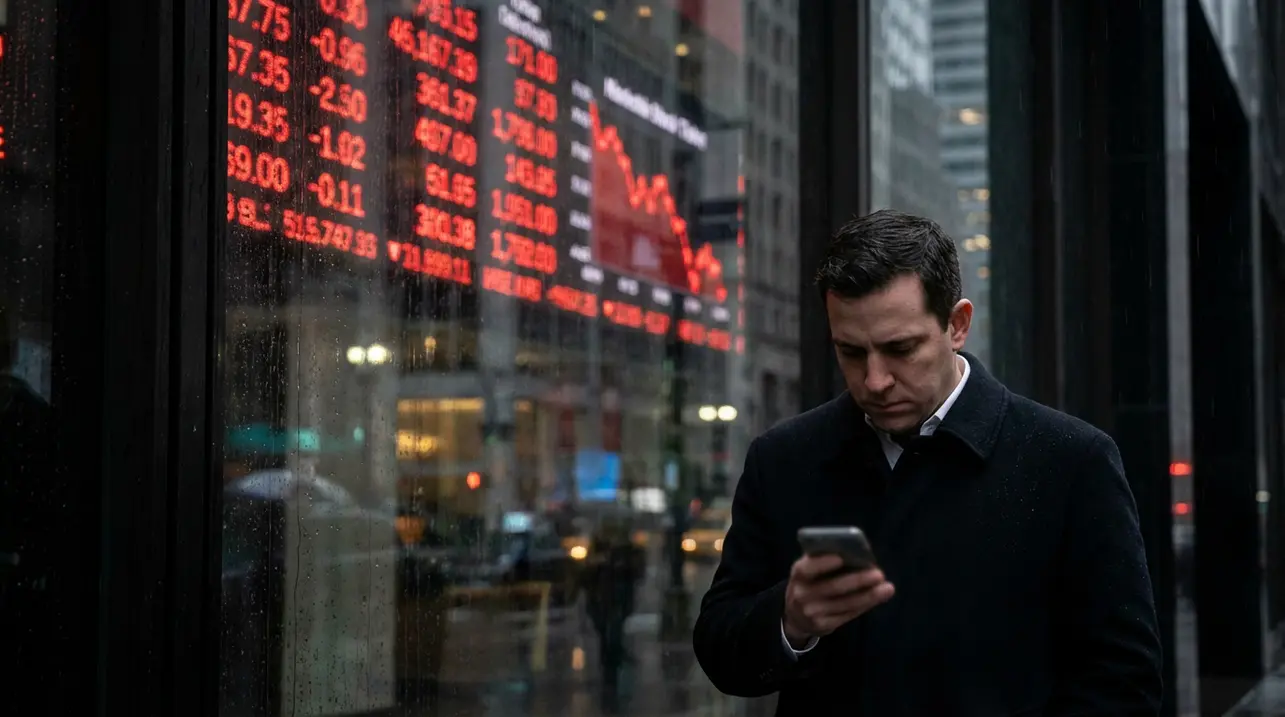
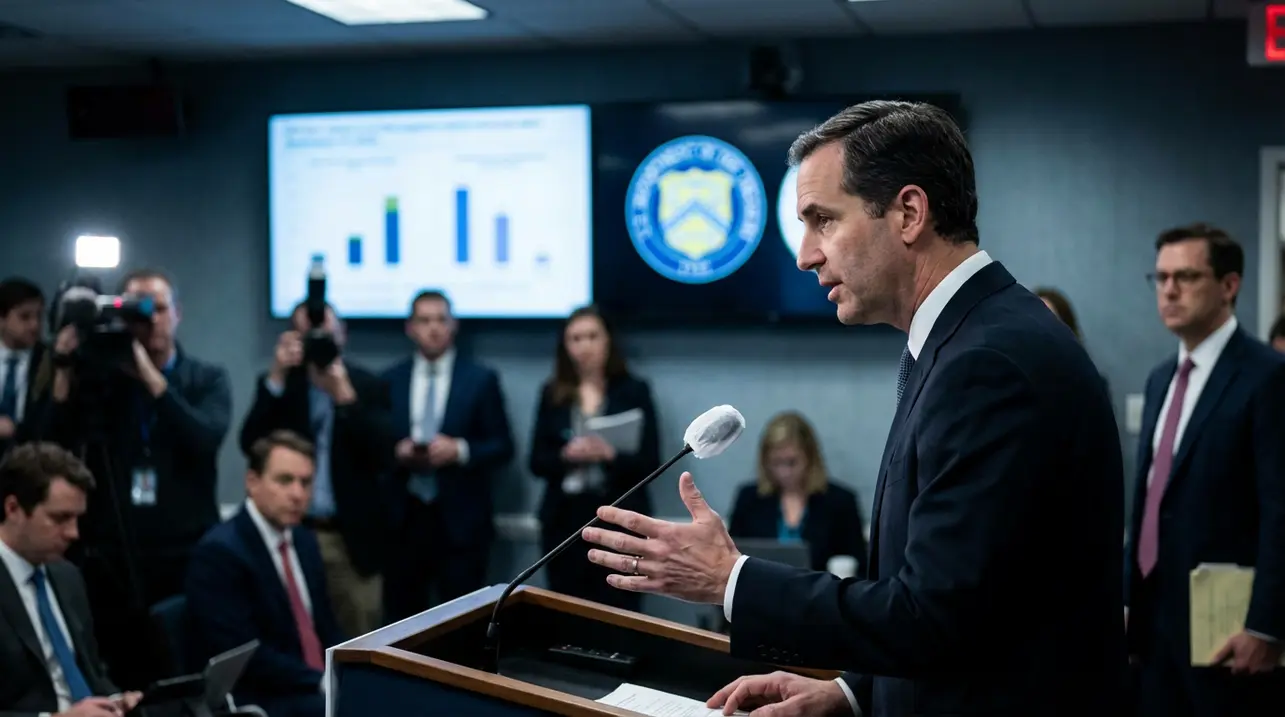
The hammer is finally coming down, and it’s a sledgehammer. U.S. prosecutors have officially recommended a 12-year prison sentence for Do Kwon, the co-founder of Terraform Labs, for his central role in orchestrating the catastrophic $40 billion implosion of the Terra ecosystem.This isn't just another crypto scandal fading into the noise of the altcoin graveyard; this is the moment the real world—the world of steel bars and federal sentencing guidelines—catches up to the hype-fueled fantasy that vaporized life savings and shook the very foundations of the digital asset space. For those of us who have watched this saga unfold with a mix of grim fascination and righteous anger, the prosecution's move is a long-overdue dose of accountability.Let’s be brutally clear: the collapse of TerraUSD (UST) and its sister token Luna wasn't a market accident or a simple failure of a novel algorithmic stablecoin. It was a house of cards built on a foundation of hubris, marketed with messianic fervor, and destined to fail, taking legions of retail believers down with it.The prosecutors' filing paints a picture of Kwon not as a visionary who failed, but as a fraudster who knowingly misled investors about the stability of UST and the adoption of the Terra blockchain, all while the entire edifice was fundamentally unstable. Remember the promises? The 'decentralized money for all' mantra? It was a siren song that lured in everyone from starry-eyed newcomers to seasoned degens, all blinded by the astronomical yields offered by Anchor Protocol, which itself was a unsustainable subsidy propping up the whole charade.When the music stopped in May 2022, the contagion was immediate and brutal, wiping out nearly half a trillion dollars from the total crypto market cap and triggering the domino fall of giants like Three Arrows Capital and Celsius Network. The human cost is incalculable—families lost nest eggs, entrepreneurs saw capital vanish, and trust in the entire crypto experiment was set back years.Kwon’s defense will likely argue he acted in good faith, that this was a bold experiment that failed. Don't buy it.The regulatory playbook here is straight out of the traditional finance enforcement handbook, and it’s a signal as clear as a Bitcoin white paper: the era of 'move fast and break things' in crypto is over. The SEC has already secured a judgment that Terraform Labs and Kwon perpetrated a 'massive fraud,' and this sentencing recommendation is the logical, punitive conclusion.It sends a chilling message to other would-be crypto emperors with no clothes: you can run to Montenegro, but you can't hide from the long arm of American justice forever. The 12-year ask is significant; it’s not a slap on the wrist, but it’s also not the maximum possible.
#lead focus news
#Do Kwon
#Terra collapse
#US prosecutors
#prison sentence
#cryptocurrency fraud
#stablecoin
#SEC
Stay Informed. Act Smarter.
Get weekly highlights, major headlines, and expert insights — then put your knowledge to work in our live prediction markets.
wow this actually gave me chills reading it, i lost a bit in that mess and it still hurts. finally seeing some accountability feels kinda surreal
0
CR
CryptoCurious95d ago
but what if we’re looking at it from the wrong angle? i wonder how this holds up when you consider how many other projects were doing the same unsustainable stuff at the time, feels like they're making an example of him
It reflects the scale of the destruction while perhaps acknowledging the complex, novel nature of the crimes. The real consequence, beyond the prison time, is the precedent.
This case is now the North Star for how the U. S.
legal system will treat catastrophic failures born of negligence, deception, and reckless promotion. For the Bitcoin maximalist, this is a grim validation.
While we’ve long argued that the altcoin circus, with its pre-mines, vaporware promises, and cults of personality, was a dangerous distraction from Bitcoin's sound money principles, seeing it play out so devastatingly is no cause for celebration. It’s a tragedy.
However, it does reinforce the core thesis: in a world of infinite shitcoins and charismatic founders, only Bitcoin’s immutable, decentralized, and auditable protocol offers true resilience. The Terra collapse wasn't a failure of cryptocurrency; it was a failure of a centralized, founder-centric model pretending to be decentralized.
As Kwon awaits his fate, the industry is left to pick up the pieces. The push for clear, sensible regulation has never been stronger, and the cult of the founder is rightly under scrutiny.
The 12-year recommendation is more than a number; it’s a line in the sand. The wild west days are closing, and the builders who remain will be those who prioritize genuine innovation, transparency, and security over magical internet money trees and unsustainable yields. The market has a way of purging weakness, and now, finally, the justice system is too.