CryptoethereumLayer-2 Networks
The Daily: Ethereum rolls out Fusaka, Citadel triggers DeFi backlash, police arrest two men over crypto-linked murder, and more
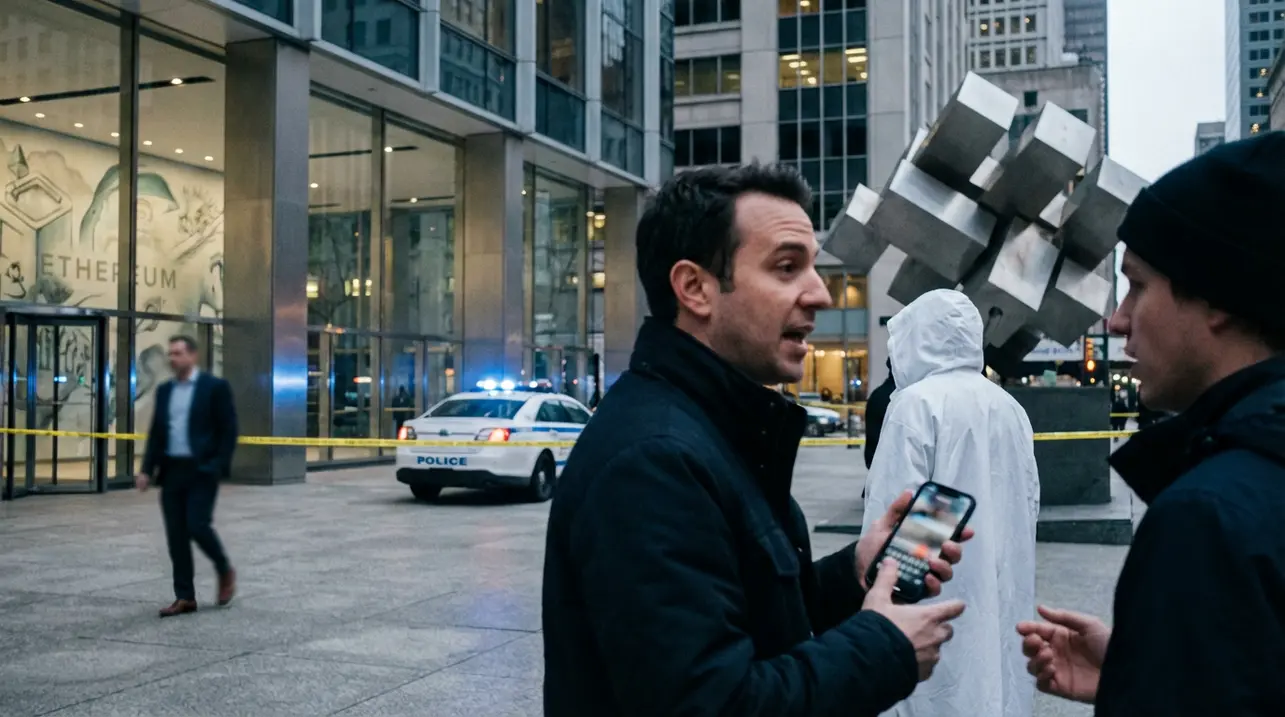
In the ever-evolving digital frontier, this week's developments feel less like isolated news items and more like the latest, high-stakes moves in a grand, global strategy game. The headline act is, without a doubt, Ethereum's rollout of the Dencun upgrade, with its star feature, proto-danksharding—affectionately dubbed 'Fusaka' by the community—finally going live.This isn't just another technical tweak; it's a foundational shift aimed squarely at slashing layer-2 transaction costs into the realm of pennies, a move that could finally unlock the scalability needed for mainstream decentralized applications. Think of it as Ethereum laying down a new, ultra-fast highway system, where the old, congested roads used to be.The immediate aftermath saw a palpable buzz across social platforms like Warpcast and Twitter, with developers and users alike testing the waters, reporting dramatic reductions in fees on networks like Arbitrum and Optimism. Yet, beneath the celebratory memes lies a critical test: can this newfound efficiency sustain under real-world load and, more importantly, will it catalyze the next wave of user adoption beyond speculative trading? The vision has always been a web of interconnected, efficient chains—the 'rollup-centric roadmap' Vitalik Buterin has long championed—and Dencun is arguably its most tangible step toward reality.However, the ecosystem's mood was swiftly tempered by a stark reminder of its adversarial underbelly. The DeFi world recoiled as Citadel Securities, a titan of traditional finance, found itself at the center of a fierce backlash following reports it had explored creating a blockchain-based trading settlement network.For many crypto natives, this wasn't a validation but an invasion—a potential 'Trojan horse' from an entity synonymous with the centralized, opaque power structures that decentralized finance was built to dismantle. The fear, eloquently argued across governance forums and Telegram groups, is that such incursions could lead to a gradual re-centralization of liquidity and control, dressed in the clothing of innovation.It's the age-old crypto tension: the desire for institutional capital and legitimacy versus the core ethos of permissionless, peer-to-peer systems. This philosophical clash is no longer theoretical; it's playing out in real-time on-chain and in boardrooms.Meanwhile, a far darker narrative unfolded offline, as police in the United Kingdom arrested two men in connection with a murder linked to a cryptocurrency theft. This grim event serves as a brutal, sobering counterpoint to the techno-optimism, highlighting the very real human stakes when digital assets representing life-changing wealth become targets for physical violence.It underscores the urgent, unresolved challenges around security, custody, and the intersection of the crypto economy with real-world law enforcement—a narrative often overshadowed by price charts and protocol debates. Taken together, these stories paint a complete picture of an industry in a profound state of adolescence: achieving breathtaking technological milestones while simultaneously grappling with the complexities of integration, the threat of co-option, and the severe consequences of its own success. The path forward is being written in code, in market movements, and, unfortunately, in police reports, all at once.
#featured
#Ethereum
#Fusaka upgrade
#Citadel
#DeFi backlash
#crypto-linked murder
#police arrests
#regulation