SciencebiologyGenetics
New research reveals the hidden organism behind Lake Erie’s toxic blooms
RA
Rachel Adams
3 months ago7 min read
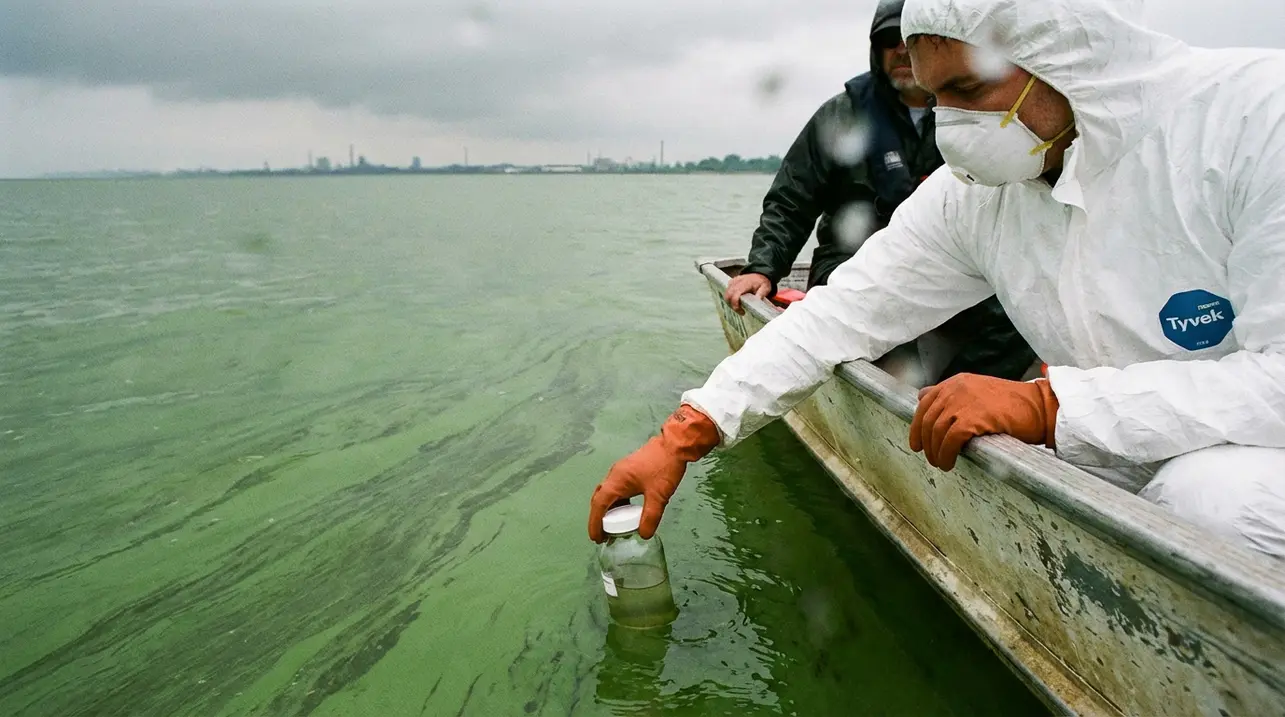
For years, the toxic algal blooms that paint Lake Erie a sickly green each summer have been a notorious environmental crisis, a visible symptom of agricultural runoff and a warming climate. The primary villain in this ecological drama was widely understood to be *Microcystis*, a cyanobacterium that produces microcystin, a potent liver toxin that has repeatedly forced cities to shut down their drinking water intakes.But new, groundbreaking research has pulled back the curtain on a far more insidious actor lurking in the murky waters: *Dolichospermum*. This cyanobacteria, thriving in the lake's steadily warming waters, has been identified as the surprising and hidden culprit behind the production of saxitoxins—some of the most potent natural neurotoxins known to science, capable of causing paralysis and respiratory failure in severe cases.This discovery, achieved through advanced genome sequencing techniques, fundamentally rewrites the narrative of the lake's pollution problem and raises alarming new questions about the future of this vital freshwater resource. The study reveals that not all *Dolichospermum* strains are toxic; only specific genetic variants possess the sinister toolkit to produce saxitoxin.More concerningly, the research indicates that the very conditions we are creating—warmer surface temperatures and shifts in nutrient composition, particularly low ammonium levels—may be tipping the ecological balance decisively in favor of these dangerous strains. It’s a classic, and terrifying, case of unintended consequences: as we work to reduce one form of pollution, we may be inadvertently cultivating another, potentially more dangerous one.The implications stretch far beyond the shores of Erie. Saxitoxin is the same compound responsible for paralytic shellfish poisoning in coastal waters, a well-monitored threat to seafood safety.Its emergence in a massive freshwater lake, a source of drinking water for over 11 million people, represents a frightening frontier. Dr.Reagan Errera, a research ecologist with NOAA who has studied harmful algal blooms extensively but was not involved in this specific study, contextualizes the finding: 'We’ve been playing whack-a-mole with *Microcystis* for years, investing in monitoring and treatment strategies targeted at microcystin. The confirmation of a consistent saxitoxin producer like *Dolichospermum* means our entire surveillance and public health protection framework needs a urgent reassessment.It’s a different toxin with different environmental drivers and different health impacts. ' The historical precedent here is grim.The 2014 Toledo water crisis, where microcystin contamination left half a million people without tap water for three days, was a wake-up call that highlighted the vulnerability of our infrastructure. A saxitoxin event could be exponentially more challenging to manage due to its neurotoxic nature and the fact that conventional water treatment processes are less effective against it.Furthermore, this research underscores the complex, non-linear ways in which climate change is destabilizing freshwater ecosystems. Warming waters don't just encourage bloom growth; they selectively favor the most toxic competitors, creating a perfect storm for public health and biodiversity.The delicate food web of Lake Erie, which supports a world-class walleye fishery, is also at risk, as saxitoxins can accumulate in fish and poison wildlife. Moving forward, this discovery mandates a dual strategy: continued aggressive action to reduce the nutrient runoff that fuels all algal blooms, coupled with a significant ramp-up in scientific monitoring specifically for saxitoxin genes and toxins in the water column.It’s a sobering reminder that in ecology, there are rarely simple solutions, and the true cost of our environmental impact is often revealed in layers, each more complex and dangerous than the last. The hidden organism in Lake Erie isn't just a scientific curiosity; it's a warning signal, flashing brightly in the green, troubled waters.
#cyanobacteria
#saxitoxin
#Lake Erie
#harmful algal blooms
#genome sequencing
#environmental science
#lead focus news
Related News

2 months ago
Polyvagal Theory and the Neurobiology of Connection

2 months ago
The Body's Ledger: How Trauma and Stress Rewire Our Biology

2 months ago
AI Breakthrough in Protein Folding Revolutionizes Molecular Biology

4 months ago
A New View from Above: How Drones Are Revolutionizing Marine Biology
4 months ago
Deep-Sea Discovery Unveils 14 Bizarre New Species, Rewriting Marine Biology
Comments
LA
LakeLifeLou99d ago
ugh just when you think we're getting a handle on one problem another pops up. feels like we can't win sometimes but at least they found it. gotta keep pushing for those monitoring upgrades tho
0
© 2026 Outpoll Service LTD. All rights reserved.