

AIresearch & breakthroughsScientific Discovery via AI
AI Breakthrough in Protein Folding Revolutionizes Molecular Biology
KE
Kevin White
5 months ago7 min read
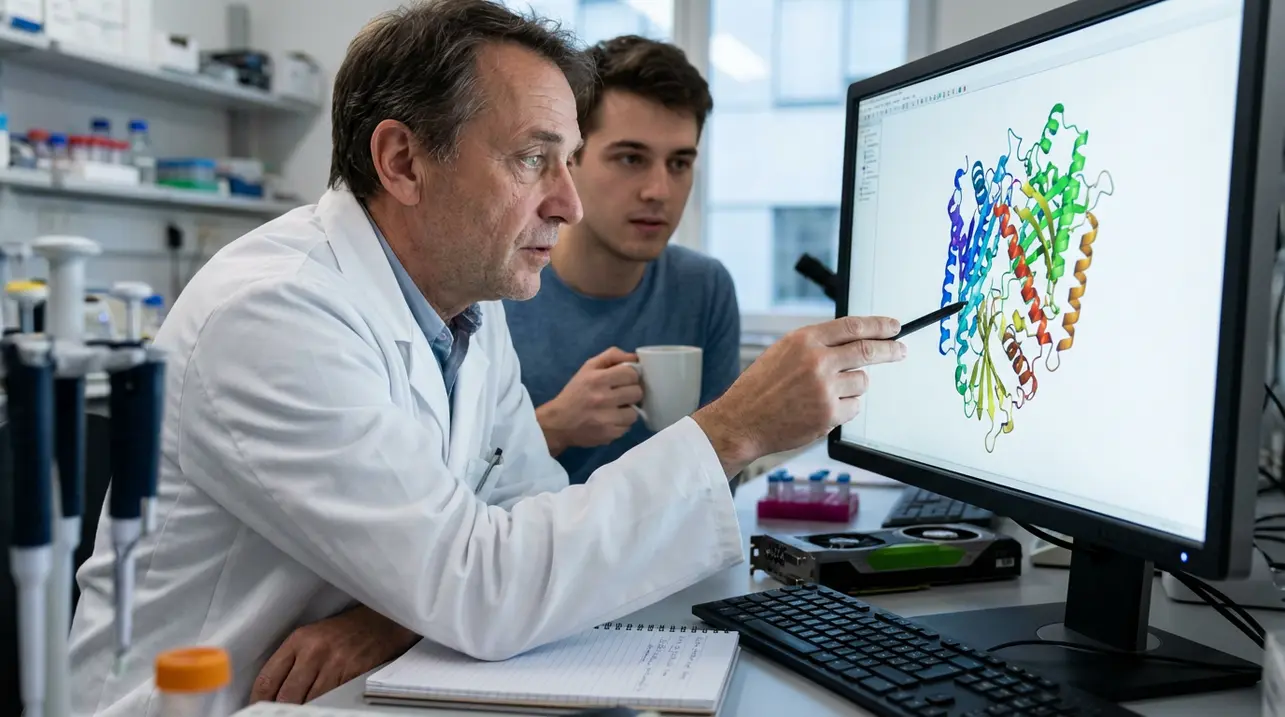
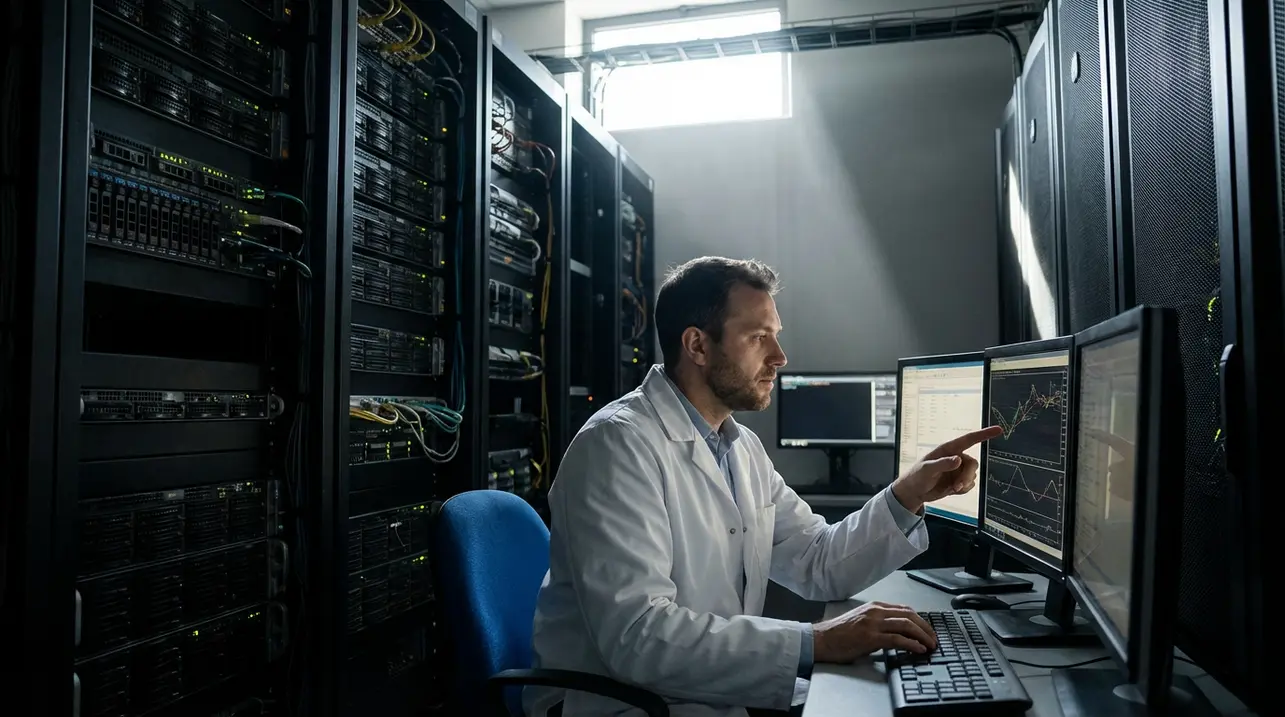
The recent AI breakthrough in protein folding isn't just another incremental step in computational biology; it's a fundamental paradigm shift that's tearing up the old rulebook for molecular science. For decades, the 'protein folding problem'—predicting the intricate, three-dimensional structure a protein will adopt based solely on its amino acid sequence—stood as one of the grandest challenges in biology.Cracking this code is everything, because a protein's function is dictated entirely by its shape. Traditional methods like X-ray crystallography and cryo-electron microscopy are painstakingly slow, expensive, and often hit dead ends with proteins that refuse to crystallize.The arrival of DeepMind's AlphaFold a few years back was the seismic event, demonstrating that deep learning could predict structures with astonishing, near-experimental accuracy. But the latest wave of models, including the open-source RoseTTAFold All-Atom and Meta's ESMFold, are pushing the frontier even further.They're not just predicting static structures; they're beginning to model the dynamic dance of proteins with other molecules like DNA, RNA, and small drug compounds, and they're doing it orders of magnitude faster. Where a PhD student might spend years on a single structure, these AI systems can now generate accurate models in minutes or seconds, effectively democratizing structural biology.The immediate impact is a tidal wave of discovery. Researchers at institutions from the UK's DeepMind and the European Molecular Biology Laboratory to teams across the United States and China are using these tools to map previously impenetrable proteins, from those involved in neurodegenerative diseases like Alzheimer's to obscure enzymes in parasites that cause malaria.This isn't just about filling a database; it's about accelerating rational drug design from a decade-long gamble to a more precise engineering discipline. Imagine designing a drug key to fit a perfectly modeled protein lock, or engineering enzymes to break down plastic waste, all in silico before a single test tube is touched.The implications stretch into synthetic biology for sustainable materials and next-gen biofuels. However, the revolution comes with its own set of complex questions.As with any powerful tool, the ethical and safety dimensions are profound. The same computational frameworks that can model a therapeutic antibody could, in theory, be directed towards pathogen design, raising urgent biosecurity concerns that groups like the International Gene Synthesis Consortium are scrambling to address.Furthermore, while the predictions are stunningly accurate, they are not infallible; blind trust in a computational output without experimental validation could lead scientific projects down costly rabbit holes. The field is also grappling with a cultural shift, as wet-lab biologists must now become fluent in AI toolkits, and computationalists need a deeper understanding of biochemical principles.This convergence is creating a new hybrid scientist, essential for the era of digital biology. Looking forward, the endpoint isn't merely perfect static structures.The holy grail is simulating the full, messy, aqueous reality of a living cell—understanding not just the snapshot of a protein, but its conformational changes, its interactions in real-time, and how mutations lead to dysfunction. We are moving from a science of observation to one of prediction and creation.This AI-driven revolution in protein folding is, therefore, more than a technical achievement; it's the foundational infrastructure for the next century of medicine, materials science, and our understanding of life itself. The lab coat of the future may well be paired with a powerful GPU.
#editorial picks news
#artificial intelligence
#protein folding
#molecular biology
#AlphaFold
#DeepMind
#research breakthrough
Stay Informed. Act Smarter.
Get weekly highlights, major headlines, and expert insights — then put your knowledge to work in our live prediction markets.
Related News








1 month ago
Billy Corgan and Diplo debate AI use in music industry.
1 month ago
Black Forest Labs' Self-Flow makes AI training 2.8x more efficient

1 month ago
Meta and Broadcom Extend AI Chip Partnership to 2029
2 months ago
Outpoll Weekly Recap: Entertainment (April 20 – 26, 2026)

2 months ago
Outpoll Weekly Recap: AI (April 20 – 26, 2026)
Comments
It's quiet here...Start the conversation by leaving the first comment.