
What the ‘AI inflection point’ means for journalism

EU Lawmakers Agree to Ban Non-Consensual AI Intimate Deepfakes

What to know about the Strait of Hormuz, a key oil shipping waterway

Apple AirPods Max 2 with H2 chip and better noise canceling

Mastercard and Google Team Up to Build Trust for AI-Powered Shopping
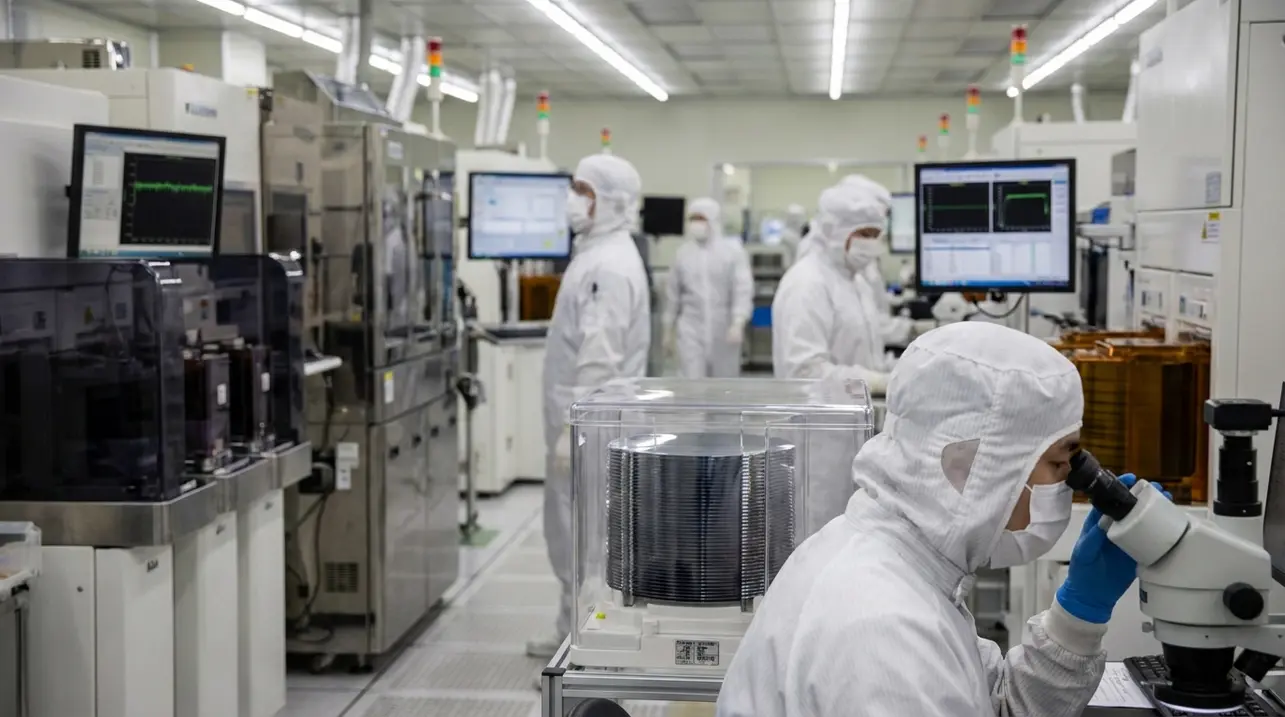
Memory Chip Shortage Drives Stock Surge, May Raise Device Prices

Upvest raises $125 million at €640 million valuation

Restaurant tech startup Choice raises $7.1M Series A for European expansion.

Trump struggles to build coalition to reopen Strait of Hormuz

F1 in China: Record Crowds Witness Entertaining Sprint Weekend in Shanghai

Sonos aims to regain trust with new speakers and brand focus.
What the ‘AI inflection point’ means for journalism

Study: Pompeii Room's Egyptian Blue Paint Cost Half a Legionary's Salary

AI agents are quietly rewriting prediction market trading

AI is moving fast. Should you ditch the job you love?

Claude AI Turns Handwriting Into a Custom Font
