

AIcomputer visionObject Detection
SenseTime focuses on multimodal AI and robotics for growth.
DA
Daniel Reed
6 months ago7 min read
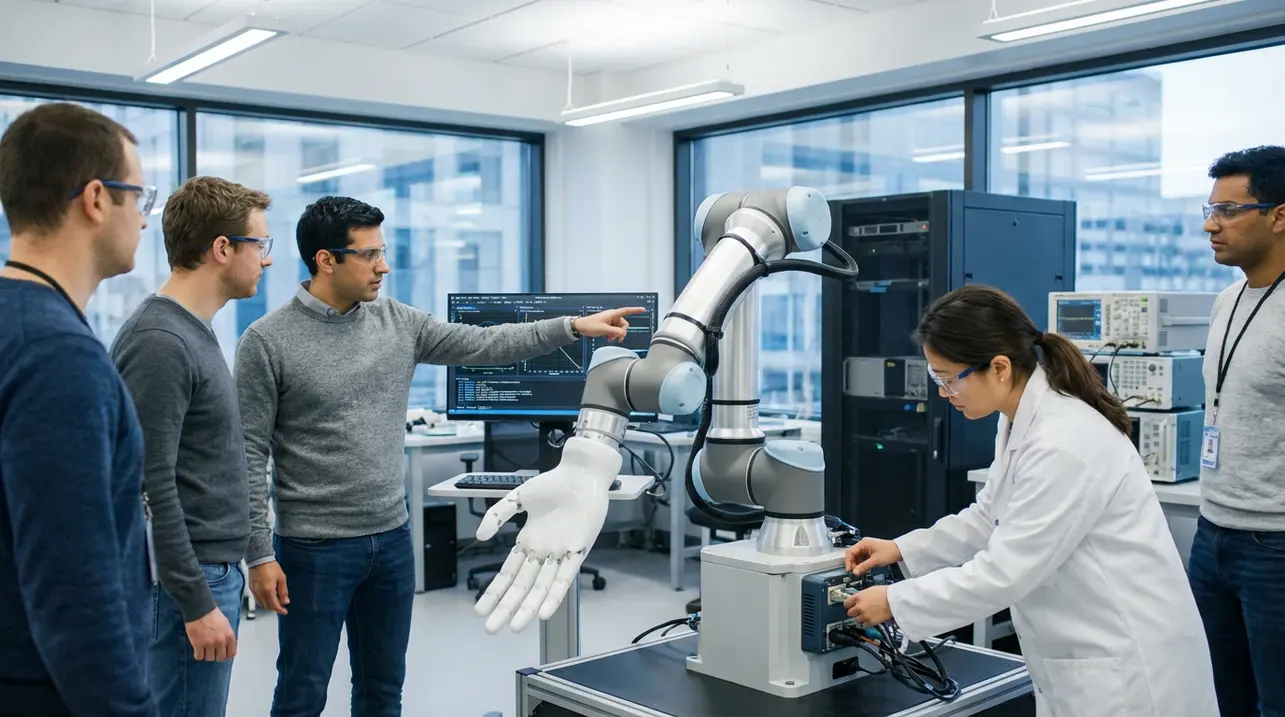
In a move that signals a pivotal strategic shift within the global AI landscape, Chinese tech giant SenseTime is leveraging its foundational expertise in computer vision to spearhead the industry's next evolution towards multimodal systems and embodied intelligence. According to co-founder and chief scientist Lin Dahua, the company's deep roots in interpreting and understanding visual data—a capability honed over years of developing facial recognition and image analysis technologies—provide a critical competitive edge as artificial intelligence seeks to break free from digital confines and interact with the physical world through robotics and autonomous agents.This transition from static, single-modality models to dynamic, multi-sensory AI represents not merely an incremental upgrade but a fundamental reimagining of machine intelligence, akin to the leap from classical computing to the internet era. For SenseTime, a firm that navigated the intense scrutiny and regulatory challenges of China's AI sector, this focus on embodiment is a calculated bet on a future where AI must see, reason, and act in real-time within complex environments, from smart manufacturing floors to autonomous vehicles and domestic helper robots.The technical hurdles are immense, requiring the seamless integration of vision, language, and motor control into cohesive systems that can learn from limited data and adapt to unpredictable scenarios—a challenge that has stalled many previous robotics initiatives. However, the potential market is staggering, encompassing everything from logistics and healthcare to consumer electronics, prompting a global race involving giants like Google's DeepMind, Tesla, and a host of nimble startups.Lin's confidence stems from SenseTime's extensive portfolio of vision-centric research, including advanced work in video understanding and scene reconstruction, which forms a natural substrate for developing the 'eyes' and 'spatial reasoning' of future robots. Yet, this ambition unfolds against a backdrop of intense geopolitical and commercial pressure, with the U.S. maintaining strict export controls on advanced AI chips and software, potentially constraining the hardware needed to train these massive new models.Furthermore, the embodied AI frontier raises profound ethical and safety questions that surpass those of large language models; a misaligned robot operating in the physical world could cause tangible harm, necessitating robust frameworks for testing, verification, and human oversight. SenseTime's pivot, therefore, is as much a story of technological aspiration as it is of corporate survival and national strategy, positioning the firm at the heart of China's drive for technological self-sufficiency and leadership in what many consider the next paradigm of artificial general intelligence. The coming years will test whether a company built on visual algorithms can successfully orchestrate the symphony of sensors, actuators, and reasoning engines required to create truly intelligent agents, a endeavor that will demand not just engineering brilliance but also unprecedented levels of cross-disciplinary collaboration and long-term capital commitment.
#SenseTime
#multimodal AI
#embodied intelligence
#robotics
#AI agents
#computer vision
#enterprise AI
#lead focus news
Stay Informed. Act Smarter.
Get weekly highlights, major headlines, and expert insights — then put your knowledge to work in our live prediction markets.
Related News











2 months ago
Trump wants to stop states from regulating AI

2 months ago
Canva Repositions as an AI Platform with Design Tools

2 months ago
Billy Corgan and Diplo debate AI use in music industry.

2 months ago
Black Forest Labs' Self-Flow makes AI training 2.8x more efficient

2 months ago
Meta and Broadcom Extend AI Chip Partnership to 2029
Comments
It's quiet here...Start the conversation by leaving the first comment.