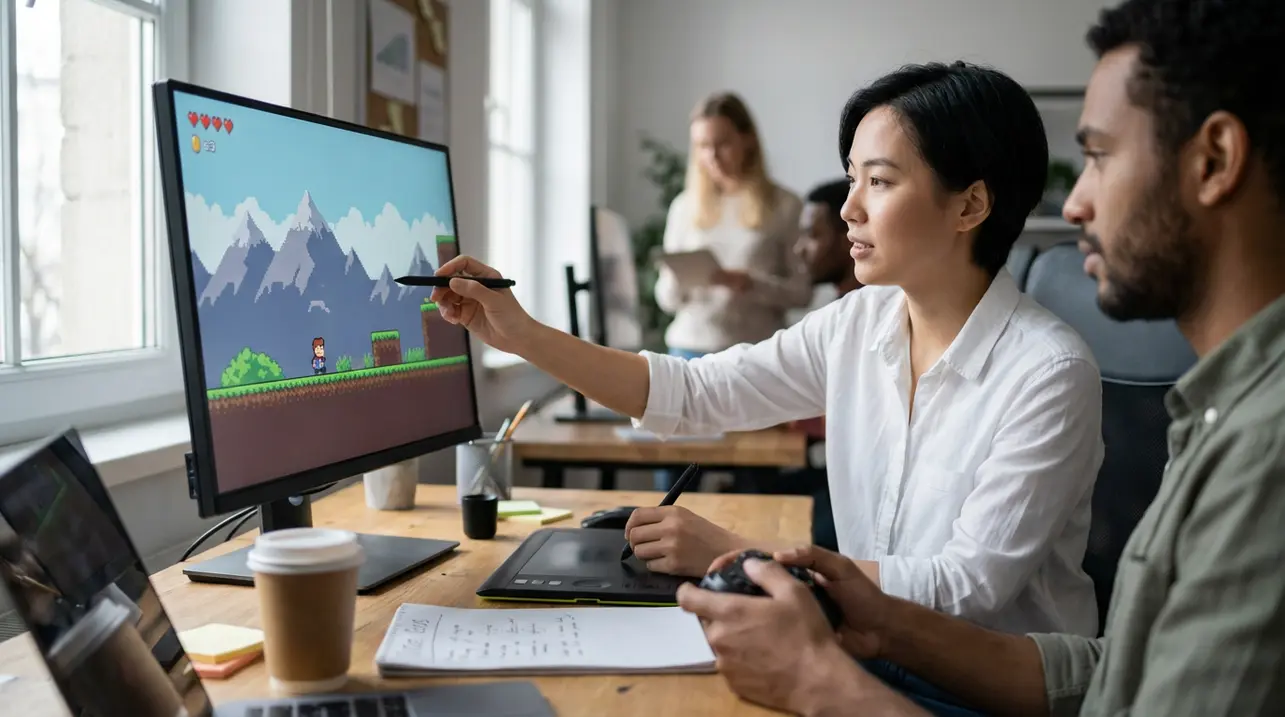
Google's Project Genie: AI Model Builds Interactive Worlds from Images or Text
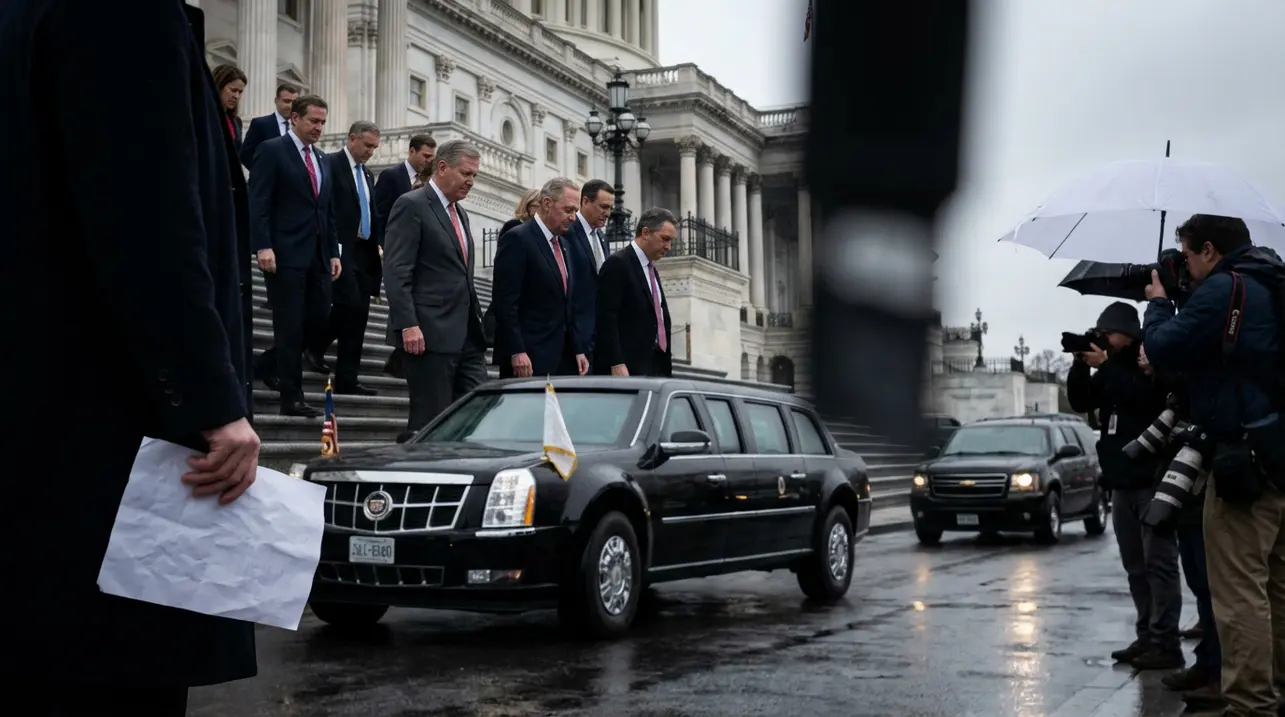
House fails to pass Iran war powers resolution, handing Trump a win
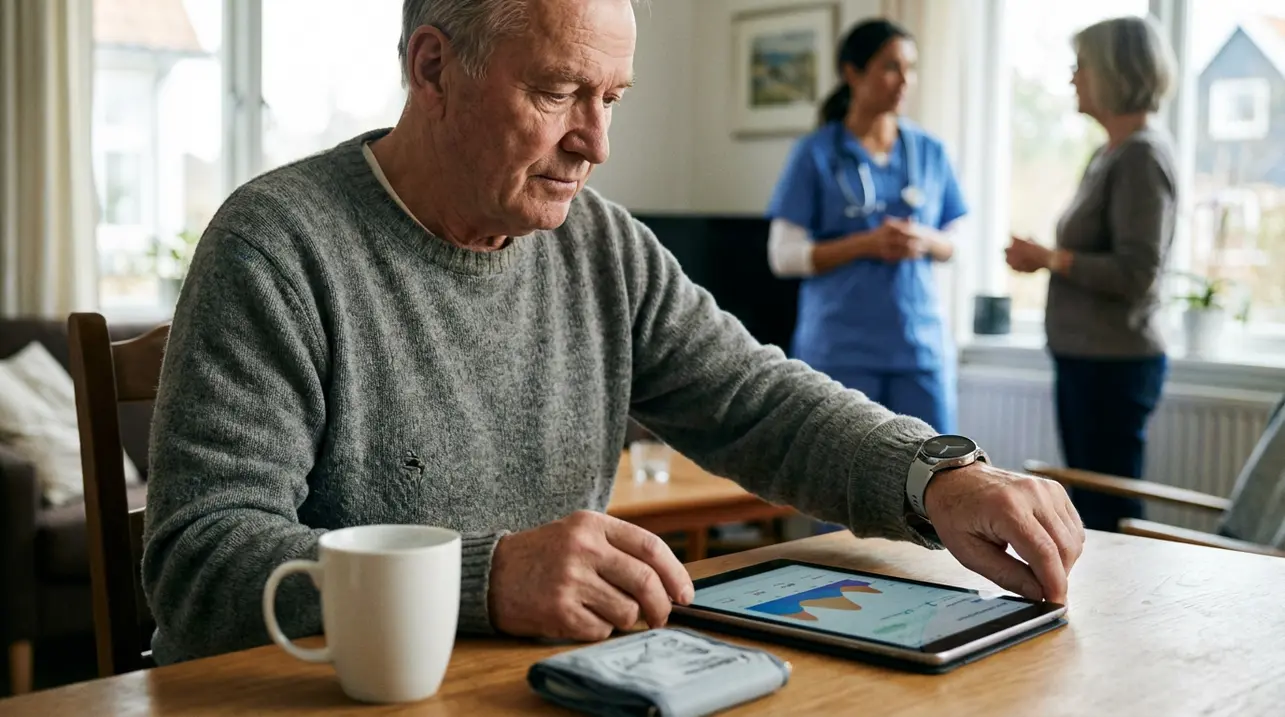
Samsung Galaxy Watch gains U.S. blood pressure monitoring feature.
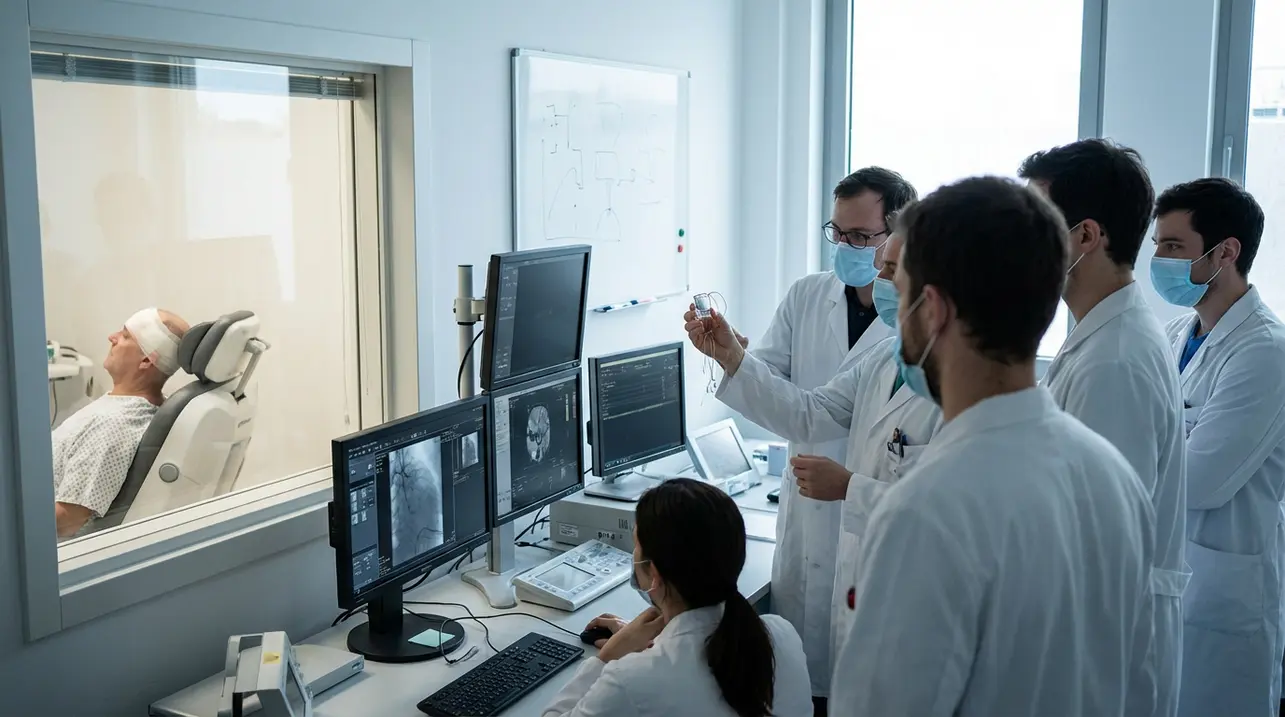
Science Corp Prepares First Human Brain Sensor Implant

The $21 billion AI bet: Meta and CoreWeave ink deal for NVIDIA’s next-gen superchips

Adobe Illustrator's Turntable AI Transforms 2D Art to 3D

Trump posted AI image as Jesus, sparking backlash from supporters

Anthropic Uses Claude as an Internal AI Operating System

Why VCs Invest: Faith, Opportunity, or Evidence
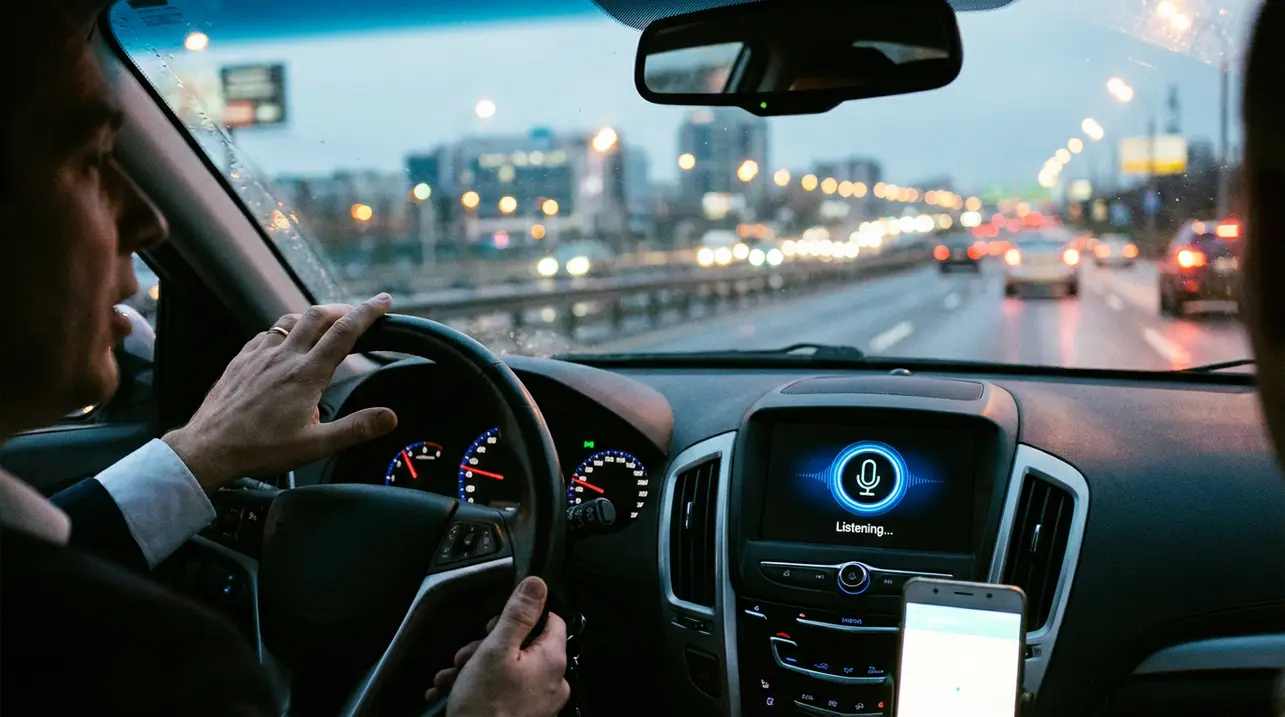
OpenAI brings ChatGPT's Voice mode to CarPlay

Amazon Details Big Spring Sale Starting March 25
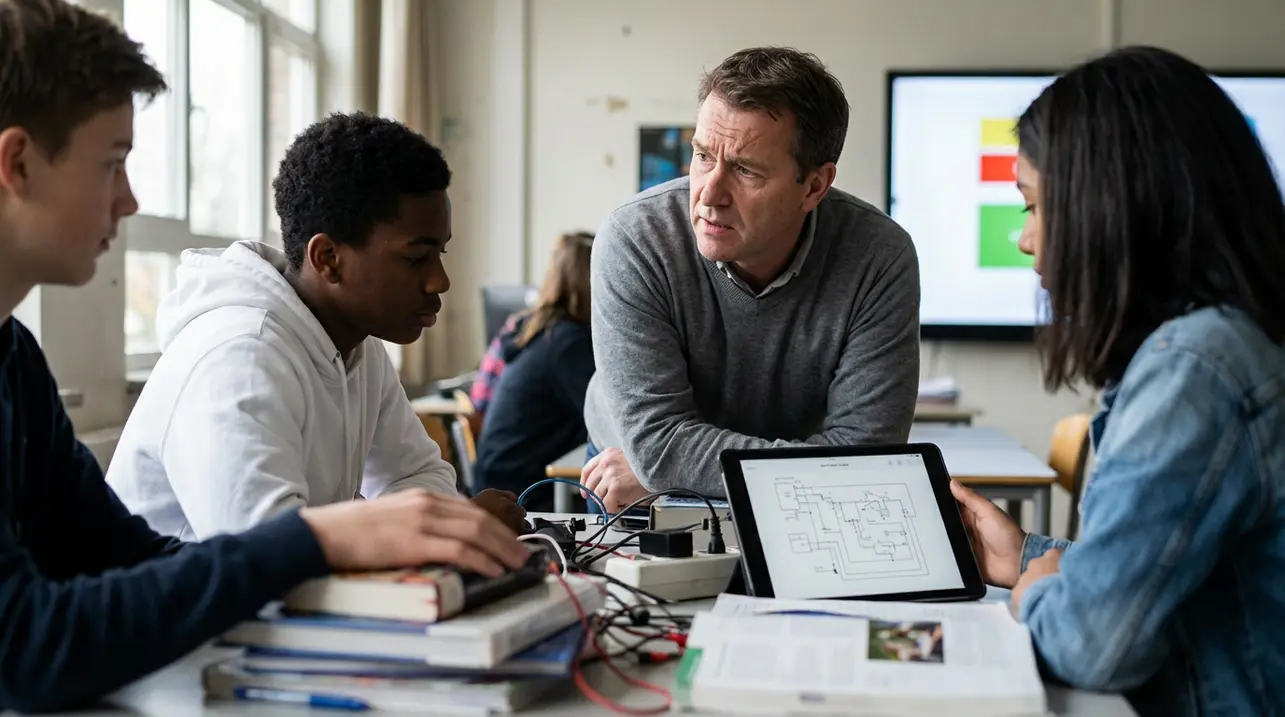
What to teach kids for an AI-scrambled job market
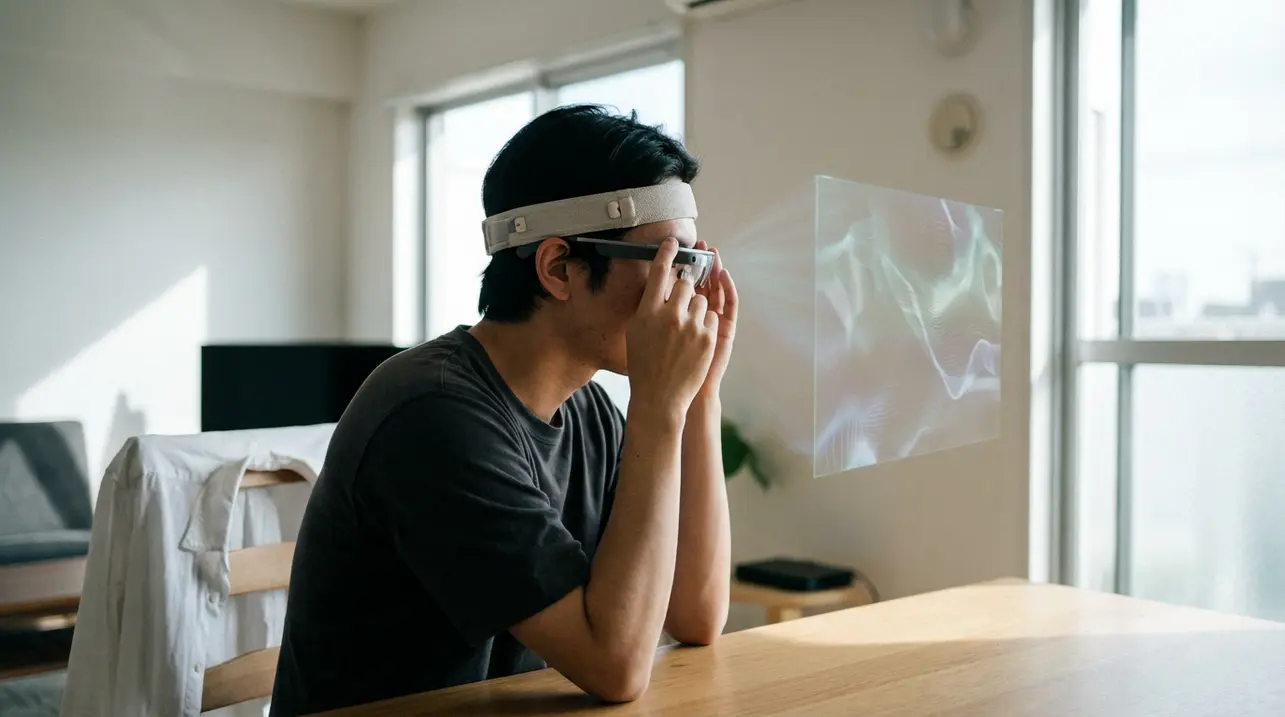
Wearable EEG device uses brain activity to shift AR visuals.

U.S. warships cross Strait of Hormuz amid Iran tensions and peace talks.

You can’t really “train” your brain. Here’s what you can do instead.

Domino's updates pizza tracker with AI for accurate delivery times.
