
Chrome Can Now Use AI to Browse the Internet for You

This whole AI thing is simpler than you think

FBI raid on Fulton County election office defended by Kash Patel

Ethereum to Mobilize Unclaimed DAO Funds for $220 Million Security Initiative
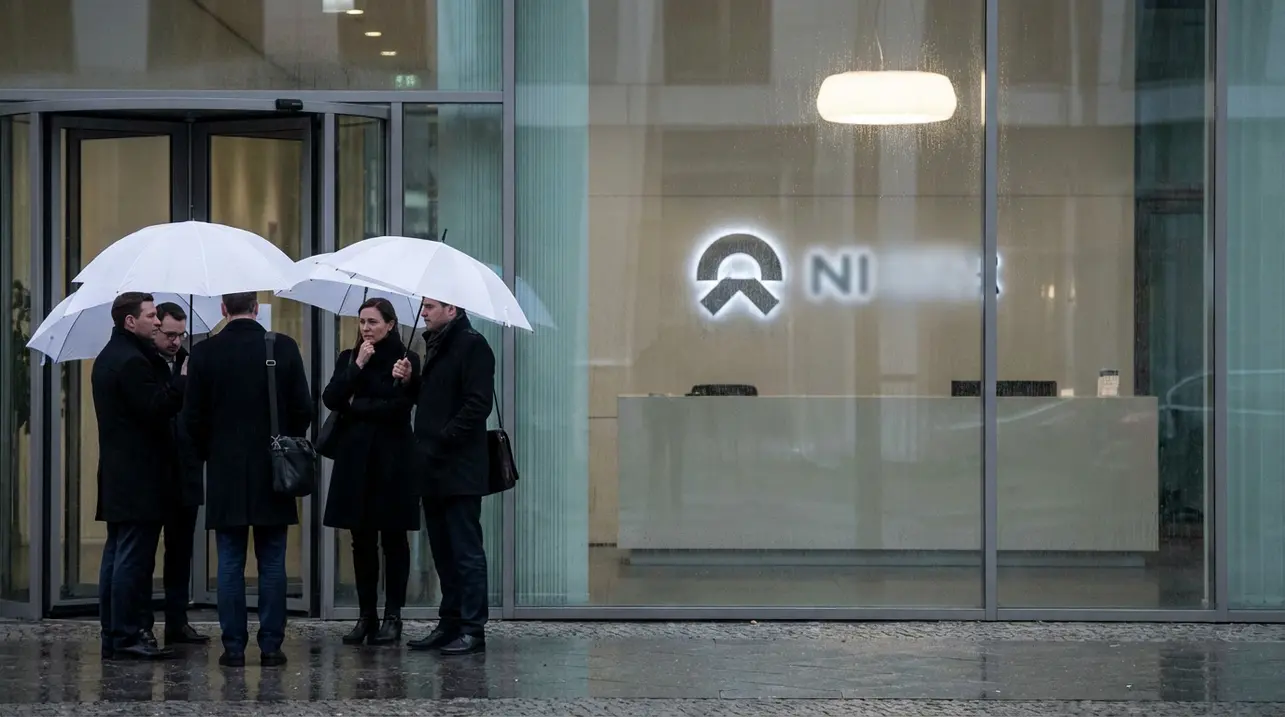
Native Instruments enters insolvency proceedings, future uncertain

Worldcoin Surges 25% as OpenAI Considers its Biometric Technology
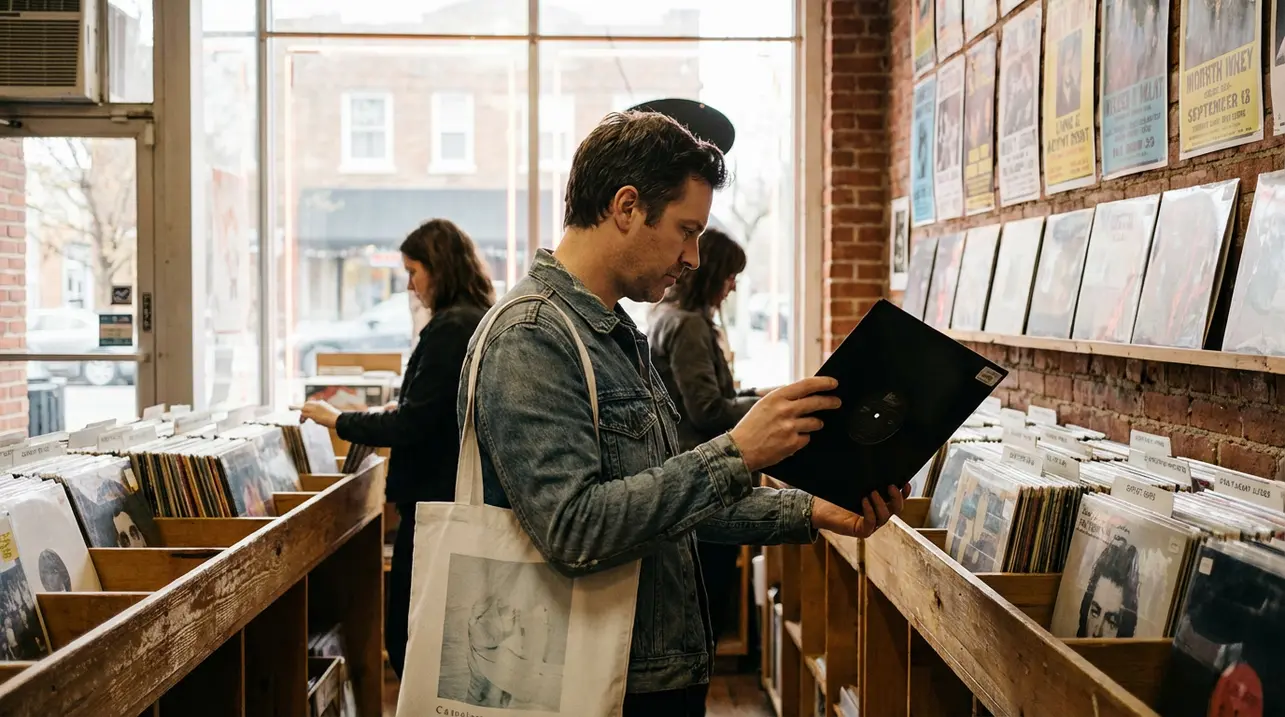
Hey Mercedes announce vinyl reissues and UK shows with Braid.
Chrome Can Now Use AI to Browse the Internet for You

Factify raises $73M to give digital documents an AI brain

Paradise Season 2 Trailer Teases New Apocalyptic Secrets

MSPAINT vocalist Deedee announces debut LP as Him Horrison.

The Most Valiant Way to Complain Is to Create: William Blake and the Stubborn Courage of the Unexampled
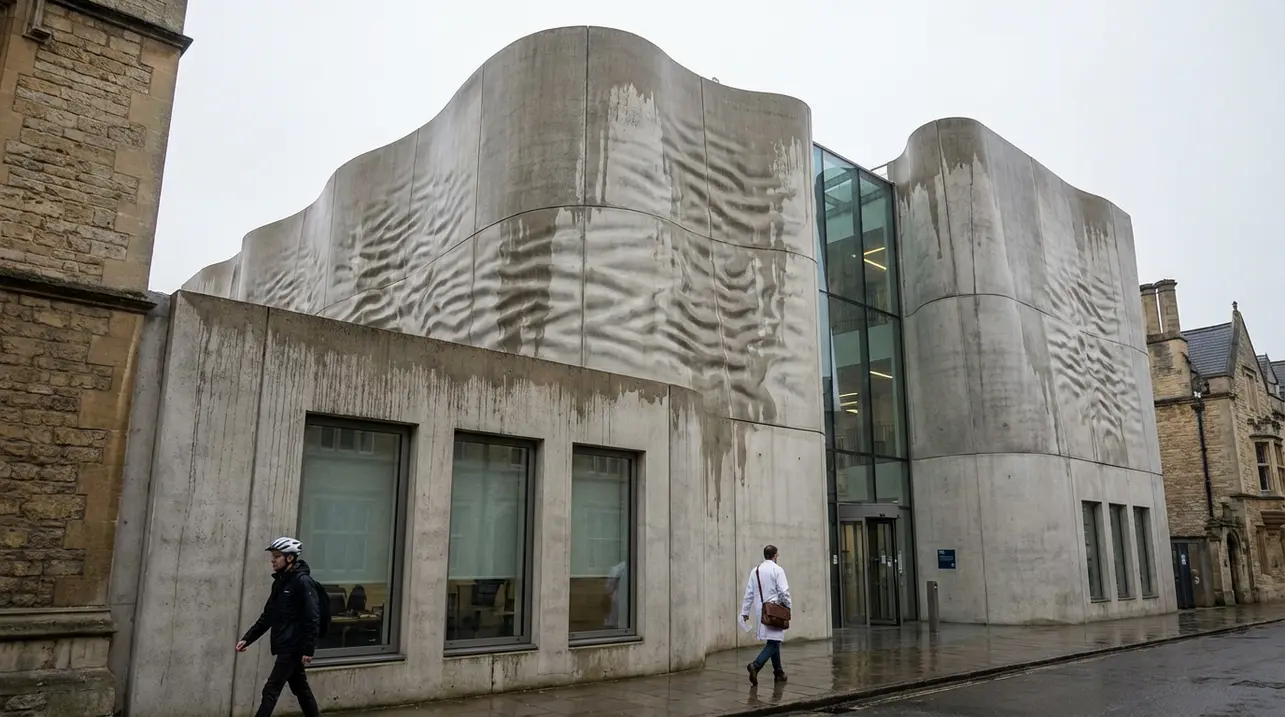
Oxford Lab Building's Facade Encodes a Researcher's Brain Scan

The Most Valiant Way to Complain Is to Create

Astronomers discover over 800 cosmic anomalies using new AI tool

Why Agentic AI Belongs on Every CEO's 2026 Roadmap
Loading comments...