CES 2026: Nvidia, AMD, and Razer Reveal New Tech
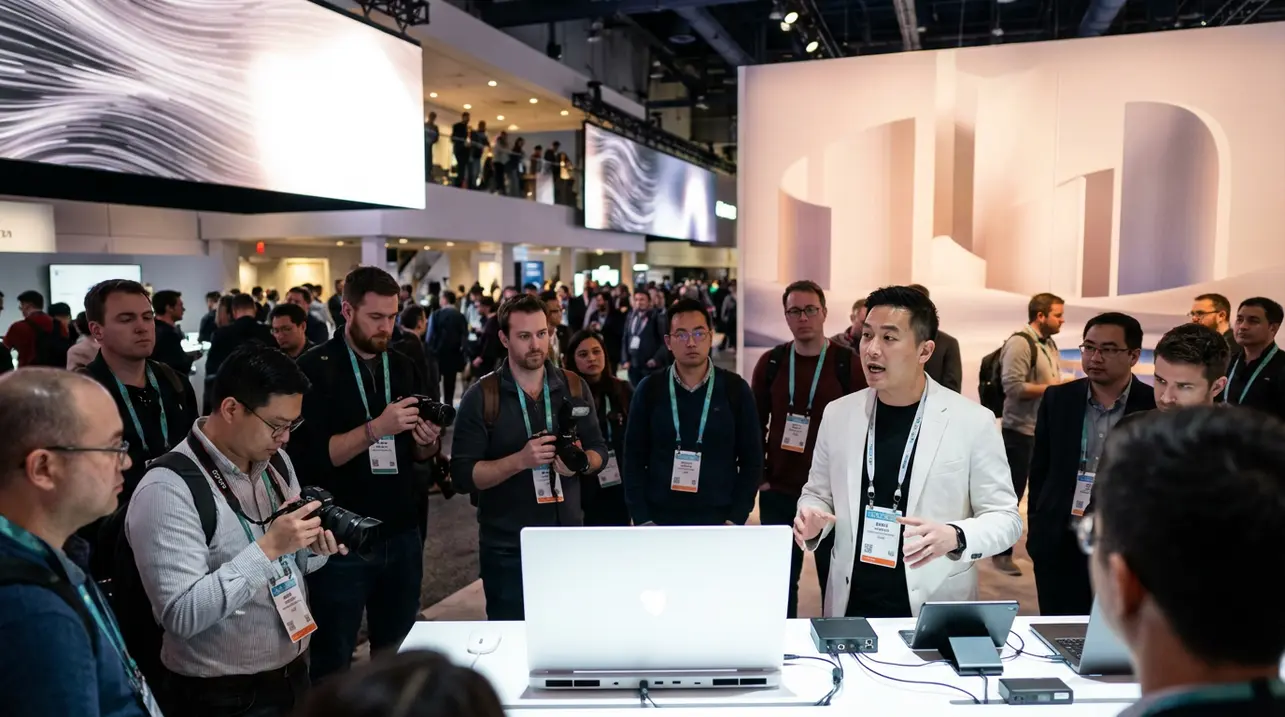
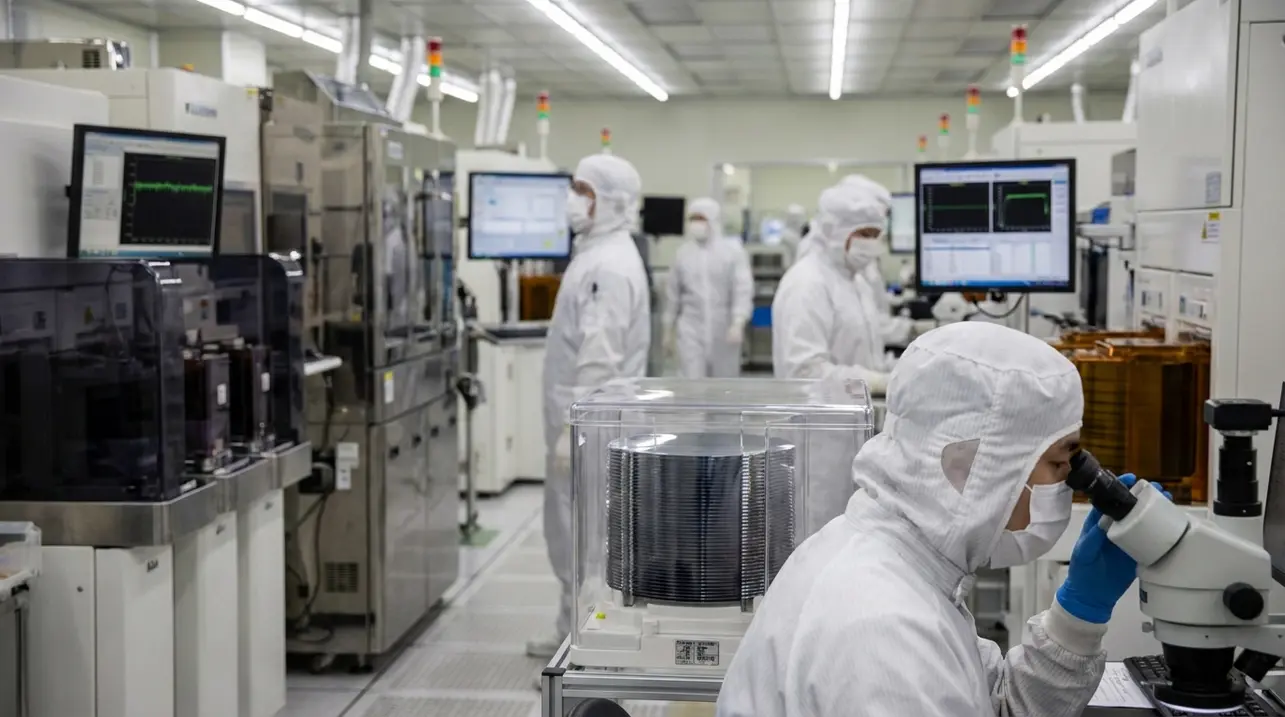
CES 2026 is in full swing in Las Vegas, and the narrative emerging from the desert is one of profound, if predictable, consolidation: artificial intelligence is no longer a discrete category but the foundational operating system for the entire consumer technology ecosystem. As the show floor opened to the public, following a barrage of press conferences from Nvidia, AMD, and Sony, the chatter wasn't about whether a product featured AI, but how deeply it was integrated into the silicon and the user experience.This year’s revelations feel less like a series of discrete announcements and more like chapters in a single, accelerating thesis—the thesis that the hardware we hold, wear, and interact with is becoming an intelligent, context-aware extension of our intent. Nvidia, having long transcended its gaming roots to become the de facto engine of the AI revolution, didn't just unveil incremental GPU improvements; they presented architectural shifts designed to bring real-time, on-device large language model inference to laptops and handhelds, effectively promising a pocket-sized supercomputer that understands natural language commands for complex creative and analytical tasks.Their keynote was a masterclass in framing raw teraflops as accessible utility, showcasing demos where generative video editing and 3D environment rendering happened locally, with near-zero latency—a direct challenge to the cloud-dependent model that has dominated thus far. Meanwhile, AMD’s counterplay was a fascinating study in strategic positioning.Rather than attempting to out-muscle Nvidia in the pure compute arena, they unveiled a new generation of APUs (Accelerated Processing Units) that blend Zen CPU cores with radically upgraded RDNA graphics and, most critically, dedicated AI accelerators they’re calling ‘Neural Engines’. This heterogenous approach is a bet on efficiency and seamless multitasking, aiming to make always-on AI assistants and real-time language translation background processes that sip power rather than drain batteries.It’s a pragmatic, ecosystem-focused move, ensuring their architecture is the preferred choice for OEMs like Razer, who themselves revealed a suite of peripherals and laptops where AI dynamically adjusts performance profiles, cooling solutions, and even haptic feedback based on the application and user behavior, moving beyond gimmicky RGB lighting to genuinely adaptive hardware. The historical precedent here is clear: we are witnessing a transition akin to the integration of the graphics card in the 1990s or the smartphone’s absorption of the digital camera.AI accelerators are becoming a mandatory component, not an optional extra. Expert commentary from semiconductor analysts on the ground suggests this CES marks the point where the ‘AI PC’ marketing term gains substantive, differentiable meaning, moving from a vague promise to a set of tangible capabilities with developer SDKs to match.The possible consequences are vast and layered. On one level, it democratizes high-end creative and analytical power, potentially lowering barriers for indie developers and researchers.On another, it intensifies the oligopolistic struggle between chip designers, with architectural IP and software ecosystems becoming the true moats. Furthermore, it raises urgent questions about data privacy, as more processing happens on-device, and the environmental impact of a rapid, wholesale hardware refresh cycle driven by this new capability stack.The broader context is a global race for technological sovereignty; while these are American companies unveiling products, the manufacturing and supply chain dependencies span Taiwan, South Korea, and beyond, and the software frameworks are fiercely contested between open-source collectives and corporate giants. The narrative at CES 2026 isn’t about a single killer gadget; it’s about the silent, pervasive embedding of intelligence into the material fabric of our digital lives, a shift whose societal and economic reverberations we are only beginning to model.
#CES 2026
#NVIDIA
#AMD
#AI hardware
#Razer
#tech announcements
#lead focus news