
Anthropic launches Claude Design AI tool for prototypes, challenging Figma

Is the Strait of Hormuz Really Open?
Anthropic launches Claude Design AI tool for prototypes, challenging Figma

Oil prices drop, stocks rise after Iran reopens Strait of Hormuz

Garmin Files 218-Page Countersuit Against Suunto in Sports Watch Dispute

Spektr raises $20M for AI compliance agents in finance

Amazon launches AI Bio platform to accelerate early-stage drug discovery
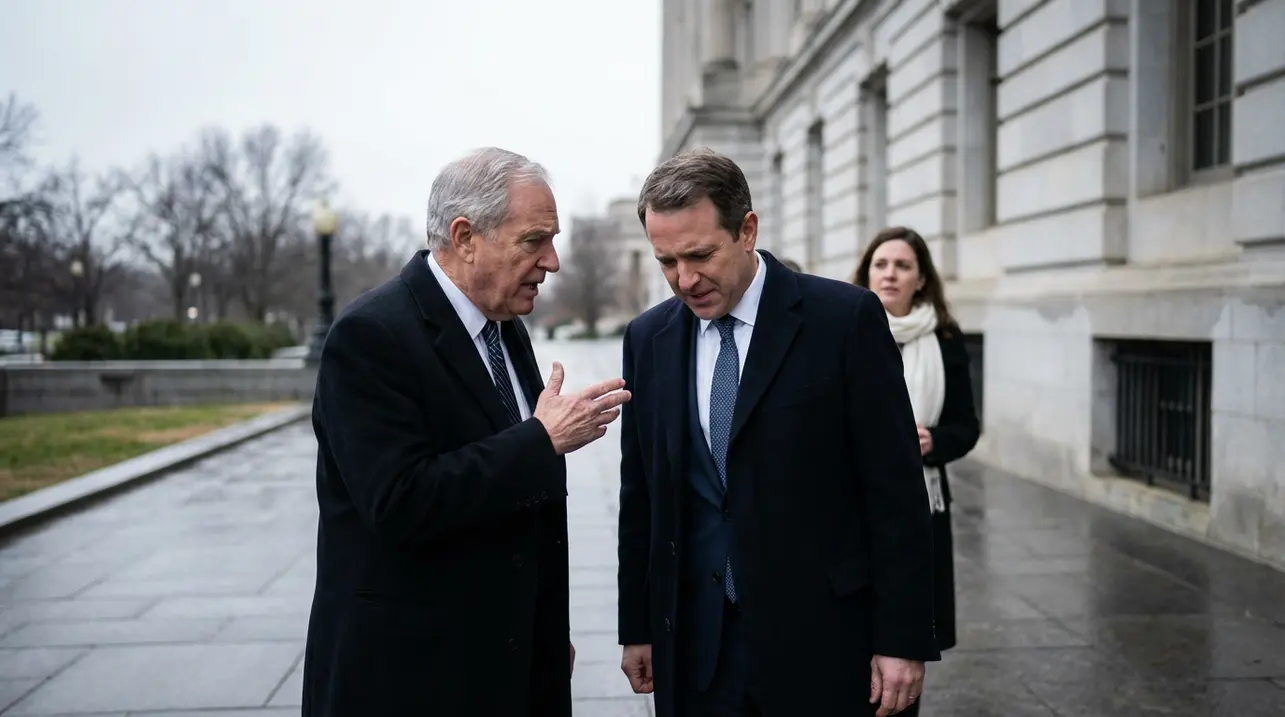
SCOTUS justices air rare public disputes over court's direction

House fails to pass Iran war powers resolution, handing Trump a win

Samsung Galaxy Watch gains U.S. blood pressure monitoring feature.

Science Corp Prepares First Human Brain Sensor Implant

The $21 billion AI bet: Meta and CoreWeave ink deal for NVIDIA’s next-gen superchips

Adobe Illustrator's Turntable AI Transforms 2D Art to 3D

Trump posted AI image as Jesus, sparking backlash from supporters

Anthropic Uses Claude as an Internal AI Operating System

Why VCs Invest: Faith, Opportunity, or Evidence
