

AIchips & hardwareNVIDIA GPUs
AMD and Nvidia Plan Phased GPU Price Hikes in 2026
DA
Daniel Reed
5 months ago7 min read
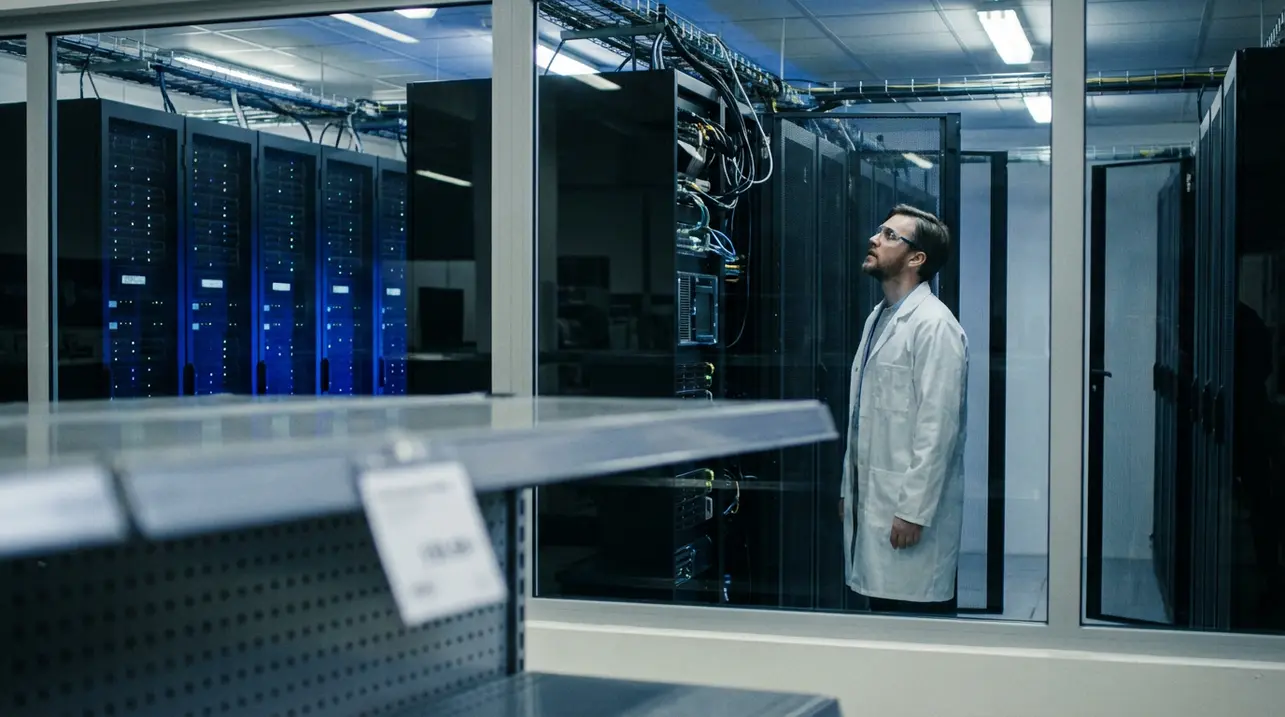
A new and troubling report is gaining traction within tech circles, suggesting that the consumer graphics card market is poised for a significant structural shift, one that could see prices for AMD and Nvidia GPUs entering a new, elevated tier by 2026. The core driver, as analysts are piecing together, isn't the traditional cadence of generational performance improvements or even the perennial crypto-mining boom, but the overwhelming and seemingly insatiable demand from artificial intelligence datacenters.This isn't about a simple shortage; it's about a fundamental re-prioritization of semiconductor manufacturing and packaging capacity, where the astronomical margins and strategic importance of AI accelerators are systematically diverting resources away from the consumer gaming segment. To understand the gravity of this forecast, one must look at the current landscape.Both Nvidia, with its dominant H100, H200, and Blackwell architectures, and AMD, with its competitive Instinct MI300 series, are operating at maximum capacity to fulfill orders from cloud hyperscalers like Microsoft Azure, Google Cloud, and AWS. These companies are engaged in a multi-trillion-dollar arms race to build out AI infrastructure, and the GPU is the central, most critical component.The manufacturing process for these high-end datacenter chips shares foundational technologies—advanced packaging like CoWoS (Chip-on-Wafer-on-Substrate), access to TSMC's cutting-edge nodes, and high-bandwidth memory stacks—with their consumer-grade counterparts, the Radeon and GeForce cards gamers covet. When fab capacity is finite, as it fundamentally is, every wafer allocated to an H100 is a wafer not allocated to an RTX 5080 or a Radeon 8900 XT.This creates a direct economic conflict. The phased price hikes reportedly under consideration are a logical, if disheartening, market response.Instead of a one-time shock, we might see a gradual, stair-step increase across product stacks, starting with the flagship enthusiast models and trickling down. This strategy allows the companies to manage consumer sentiment and market expectations while transparently signaling that the era of aggressive performance-per-dollar gains, known as 'Moore's Law for gamers,' may be entering a prolonged hiatus.Historical precedent offers a sobering parallel: the crypto-mining craze of 2017-2018 and 2020-2022 also caused severe shortages and price inflation, but that was driven by a secondary, speculative market reselling the same consumer cards. The current dynamic is more profound because it originates within the corporations' own supply chain decisions.Nvidia and AMD aren't merely losing inventory to scalpers; they are consciously choosing to allocate their most advanced silicon and packaging technology to a different, more lucrative customer segment entirely. Expert commentary from industry analysts like those at Jon Peddie Research or TechInsights points to a potential bifurcation of the GPU market.We may see a future where consumer cards increasingly rely on older, more abundant manufacturing processes or different packaging techniques to remain somewhat affordable, creating a wider performance and feature gap between what's available for gamers and what powers the world's AI models. The consequences extend beyond just higher price tags for PC builders.The entire ecosystem, from pre-built system integrators to game developers targeting high-fidelity graphics, must recalibrate. If the installed base of high-end GPUs stagnates due to cost, it could slow innovation in real-time graphics, affecting everything from virtual production to the metaverse.Furthermore, this trend could inadvertently benefit competitors like Intel, which is aggressively pushing its Arc Battlemage and Celestial architectures, or even spur investment in alternative compute architectures for gaming. For the AI research community, this is a double-edged sword.The same supply constraints pushing consumer prices up reflect the breakneck pace of progress in large language and diffusion models. However, it also raises ethical and practical questions about resource allocation in the tech sector, echoing debates from the cryptocurrency era but on a vastly larger scale.In essence, the rumored 2026 price hikes are not an isolated pricing decision but a symptom of a broader technological realignment. The GPU, once primarily the heart of the gaming PC, has become the engine of the AI revolution, and its economics are being rewritten in real-time. The consumer market must now brace for the ripple effects of that seismic shift, a clear indication that in the age of AGI pursuit, silicon has a new master.
#featured
#AMD
#Nvidia
#GPU
#price increase
#AI datacenter
#consumer hardware
#2026
Stay Informed. Act Smarter.
Get weekly highlights, major headlines, and expert insights — then put your knowledge to work in our live prediction markets.
Related News










1 month ago
Billy Corgan and Diplo debate AI use in music industry.

2 months ago
Black Forest Labs' Self-Flow makes AI training 2.8x more efficient

2 months ago
Meta and Broadcom Extend AI Chip Partnership to 2029

2 months ago
Outpoll Weekly Recap: Entertainment (April 20 – 26, 2026)

2 months ago
Outpoll Weekly Recap: AI (April 20 – 26, 2026)
Comments
It's quiet here...Start the conversation by leaving the first comment.