AIchips & hardwareNVIDIA GPUs
AI-Powered Plaud Note Pro Recorder Review
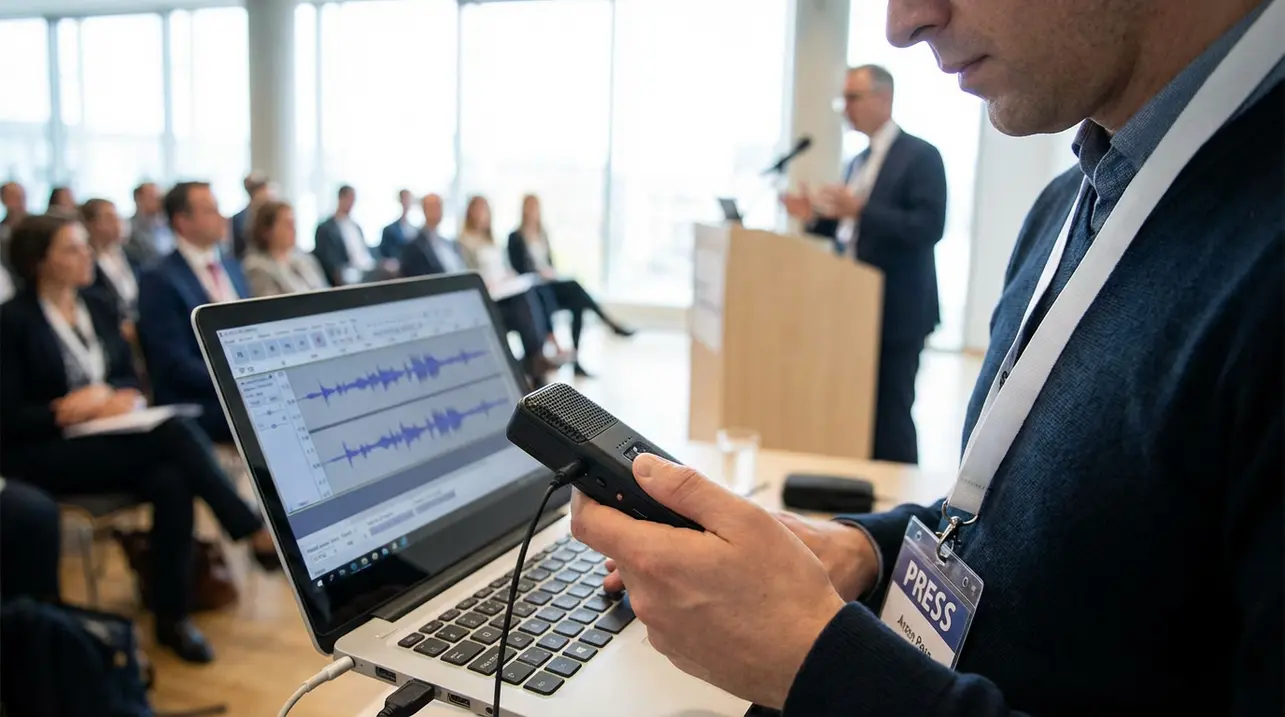
At first glance, the Plaud Note Pro presents itself as a straightforward, if premium, $179 notetaker. But to view it merely through that lens is to miss the profound technological pivot it represents—a pivot that speaks directly to the ongoing convergence of specialized hardware and ambient, context-aware artificial intelligence.As an AI researcher, I'm less interested in the device's marketing as a notetaker and more fascinated by its core proposition: it is, fundamentally, an excellent recording device first. This distinction is critical.In an era dominated by multipurpose smartphones with decent-enough microphones, the decision to create a dedicated, AI-powered recorder is a deliberate bet on a specific future of human-computer interaction. It posits that the fidelity of capture—both acoustic and contextual—is paramount, and that true utility is unlocked not at the point of recording, but in the subsequent, automated processing and structuring of that audio data.The Plaud Note Pro isn't just capturing sound; it's capturing intent, and it uses on-device and cloud-based AI models to translate that raw audio into actionable, searchable, and semantically organized information. This moves us beyond simple voice memos into the realm of autonomous knowledge management.The underlying technology likely involves a sophisticated stack: high-quality MEMS microphones for beamforming and noise suppression, a low-power processor for initial audio processing and wake-word detection, and a seamless handoff to more powerful cloud LLMs for transcription, summarization, and topic extraction. The ethical and practical implications here are rich territory.From a research perspective, how does the device handle ambiguous audio, overlapping speakers in a meeting, or highly technical jargon? What is the privacy model—is audio processed locally, and if cloud-dependent, what are the data retention policies? The choice to prioritize recording excellence suggests the developers understand a fundamental AI truth: garbage in, garbage out. No large language model, no matter how sophisticated, can create a coherent summary from a muddy, distant, or distorted recording.The Plaud, therefore, solves the first-mile problem with hardware, ensuring the input data is pristine. This philosophy mirrors the evolution in other AI domains, like computer vision, where the leap in quality came not just from better algorithms but from better sensors and image pipelines.In the broader market context, the Plaud Note Pro sits at an interesting intersection. It competes with traditional digital voice recorders from the likes of Sony, which excel in audio fidelity but lack intelligent software, and with pure software apps on smartphones, which are convenient but compromised by hardware limitations and system interruptions.
#Plaud Note Pro
#AI recorder
#hardware review
#portable device
#speech-to-text
#weeks picks news