AIai safety & ethicsAI Impact on Jobs
AI and the Dawn of Abundance: Rethinking Work in an Automated Future
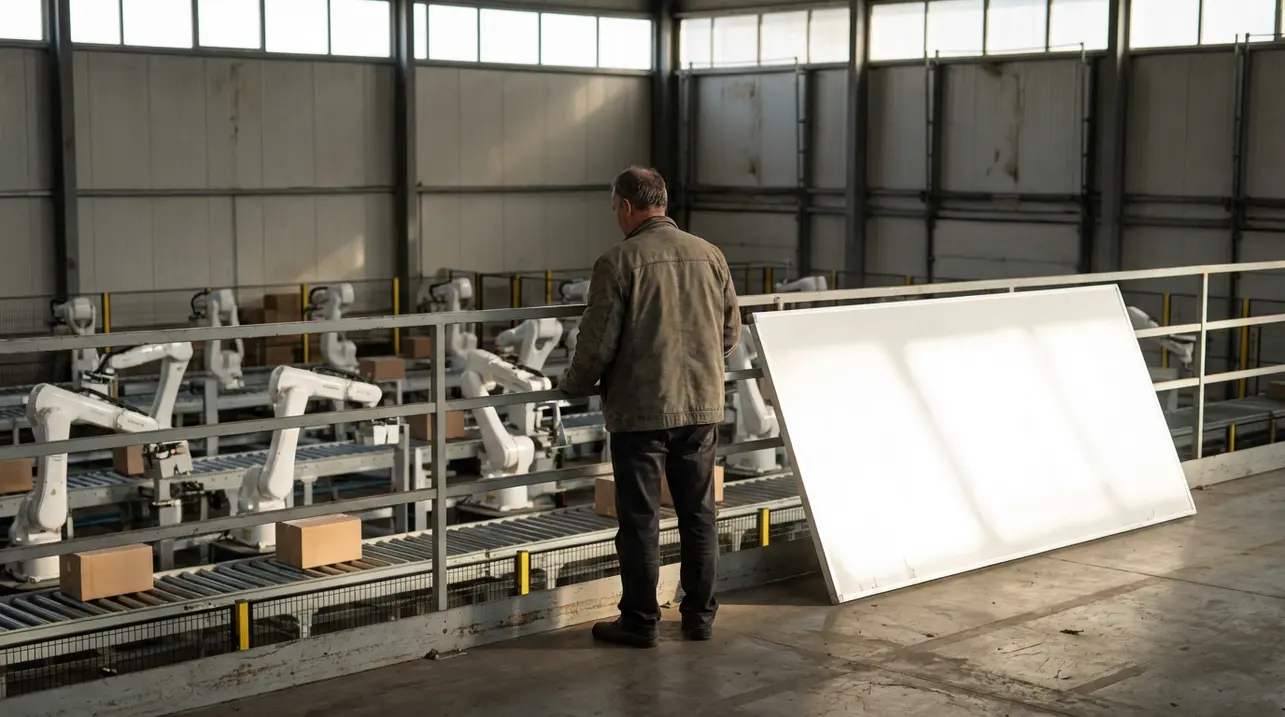
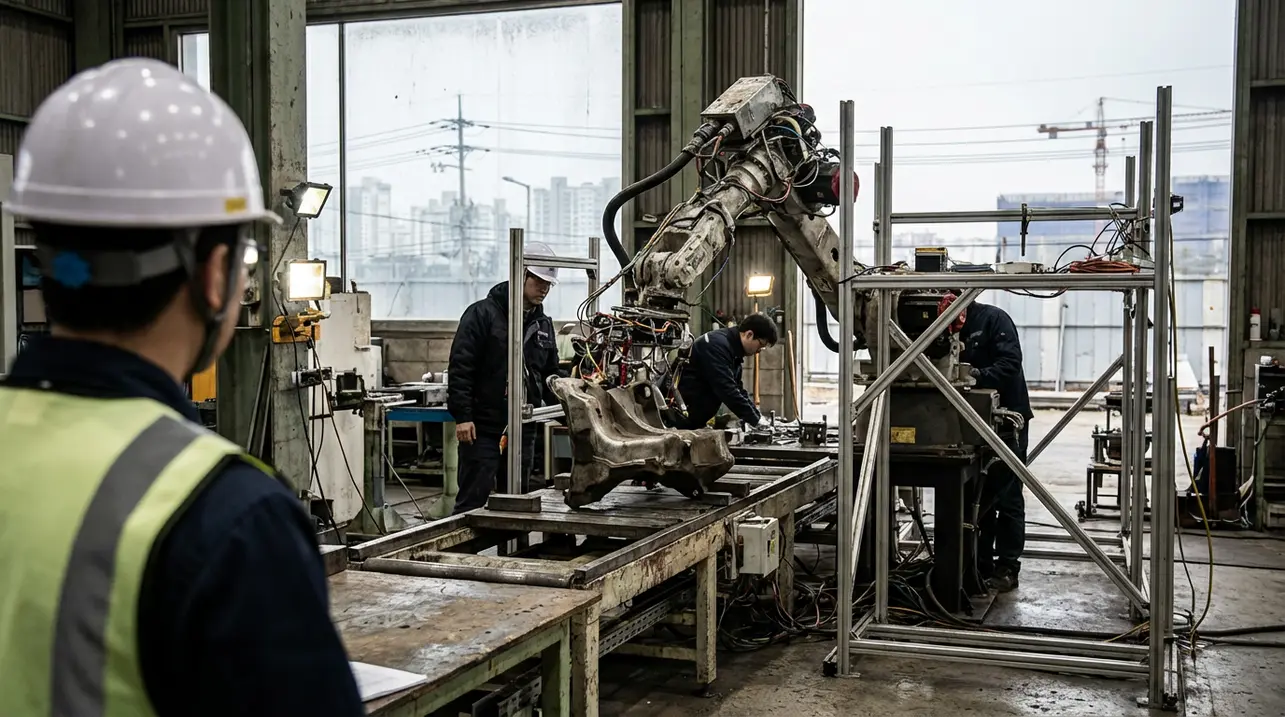
The rise of artificial intelligence is often cast as an economic threat, a story of machines displacing human workers. Yet, a compelling and optimistic vision is emerging among experts: the prospect of AI-driven abundance.This concept suggests a future where AI and automation manage the majority of essential production, potentially liberating humanity from the age-old necessity of trading labor for survival. According to economists like Anton Korinek of the University of Virginia, we are approaching an economic shift so significant it could vastly increase global wealth by unlocking productive capacities currently limited by human cognition.To grasp this potential, consider the Industrial Revolution 250 years ago. Then, the primary constraint was land.The advent of machinery shattered this limit, decoupling output from acreage and forging modern prosperity—though the transition was brutal for many workers. Today, the bottleneck is human capital: our intelligence, skill, and time.Economic growth is tied directly to the availability of skilled labor. Advanced AI, including large language models and autonomous systems, promises to break this constraint by introducing a new, scalable factor of production: artificial intelligence workers.This follows the historical pattern of automating physical labor, then routine mental tasks, and now complex cognitive work. The pivotal uncertainty is the extent of this automation.If AI can perform most economically valuable tasks, the traditional system of earning income through work becomes obsolete. This forces a critical societal question: in a world where work is optional, how do we distribute resources and purpose? Ideas such as Universal Basic Income, allocations of computational power, or guaranteed employment shift from theoretical debates to urgent policy considerations.The transition will be complex and disruptive, likely echoing the prolonged upheaval of the Industrial Revolution, where gains often materialized for future generations. The crucial difference now is our ability to anticipate the change.We possess historical insight and advanced tools to foresee the impact. The central challenge is to design social and economic frameworks that channel the coming abundance to benefit everyone, turning a potential crisis of displacement into an unprecedented opportunity for human flourishing. As Korinek observes, whether this revolution enriches our descendants or our entire society remains unwritten—a story whose outcome hinges on the choices we make today.
#AI abundance
#future of work
#universal basic income
#economic disruption
#Industrial Revolution
#editorial picks news