

AI Data Centers Strain Electrical Grids with Massive Power Use
UN
Unknown Author
7 months ago7 min read
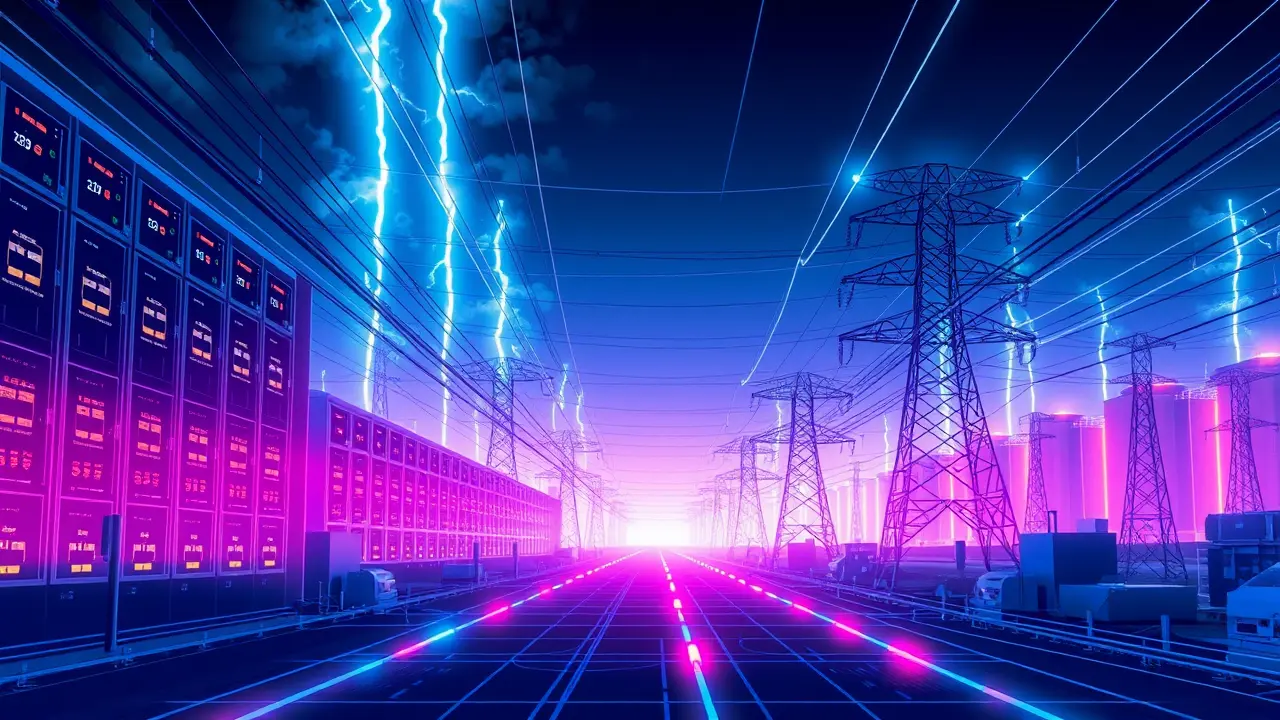
The staggering electricity consumption of AI data centers—facilities that can individually devour as much power as an entire city like Philadelphia—represents not merely an industrial shift but a fundamental recalibration of our technological infrastructure, forcing a critical examination of how long our electrical grids can sustain this voracious new appetite. These digital behemoths, the modern equivalents of sprawling industrial factories, are simultaneously forging our computational future and propping up economic growth, yet their insatiable energy demands are pushing aging power networks toward a precipice, echoing the early warnings of science fiction visionaries like Isaac Asimov who foresaw the complex dance between technological ambition and systemic stability.The core of the dilemma lies in the physics of computation: training a single large language model can consume more electricity than 100 homes use in a year, and as companies race to develop ever-larger artificial general intelligence systems, the power requirements are scaling at an almost exponential rate, creating a scenario where tech hubs like Northern Virginia and Phoenix are facing grid congestion that threatens regional stability. This isn't a distant future problem; grid operators from PJM Interconnection to ERCOT are already scrambling to revise load forecasts, delaying the retirement of fossil-fuel plants they once planned to shutter, and in some cases forcing a paradoxical reliance on coal power to keep the AI revolution online, a development that poses profound questions for climate goals and environmental policy.The historical parallel is not with the dawn of the internet, but with the electrification of industry itself, a transformation that required massive public and private investment in generation and transmission, suggesting that we may be at a similar inflection point where either a grand redesign of our energy infrastructure becomes necessary or we risk brownouts and capacity constraints that could stifle innovation. Expert commentary is sharply divided; some Silicon Valley optimists point to potential breakthroughs in nuclear fusion, advanced geothermal, and next-generation solar as the eventual saviors, while utility veterans and energy economists warn that the lead times for such projects are measured in decades, not years, and that the AI load is arriving now, creating a tangible risk that the very engines of our digital economy could become victims of their own success.The policy dimension adds another layer of complexity, as regulators grapple with how to incentivize tech giants to build their own power generation—a return to the company-town model, but with microreactors and solar farms—versus mandating efficiency standards for the algorithms themselves, a move that could spark debates about innovation throttling reminiscent of early automotive emissions controls. The possible consequences ripple far beyond the server farms; increased demand is already driving up electricity costs for residential consumers in some regions, potentially exacerbating energy poverty, while the geopolitical implications are stark, as nations with abundant, cheap power—or those willing to compromise on environmental standards—could gain a significant competitive advantage in the global AI race. Ultimately, the question 'How long can this last?' is less about a specific timeline and more about a fundamental choice: will we treat the power hunger of AI as an externalities problem to be managed, or as a catalyst for the most significant overhaul of our energy systems since the mid-20th century, a undertaking that will require unprecedented collaboration between technologists, policymakers, and utility engineers to ensure the grid can not only support the future but also power it sustainably.
#featured
#AI data centers
#energy consumption
#electrical grid
#AI training
#infrastructure
#sustainability
Stay Informed. Act Smarter.
Get weekly highlights, major headlines, and expert insights — then put your knowledge to work in our live prediction markets.
Related News









1 month ago
Billy Corgan and Diplo debate AI use in music industry.
1 month ago
Black Forest Labs' Self-Flow makes AI training 2.8x more efficient

1 month ago
Meta and Broadcom Extend AI Chip Partnership to 2029

2 months ago
Outpoll Weekly Recap: Entertainment (April 20 – 26, 2026)

2 months ago
Outpoll Weekly Recap: AI (April 20 – 26, 2026)
Comments
It's quiet here...Start the conversation by leaving the first comment.