

Crypto
Polymarket Pledges Full User Refunds Following Significant June 2026 Security Breach
SA
Sarah Lee
2 days ago7 min read
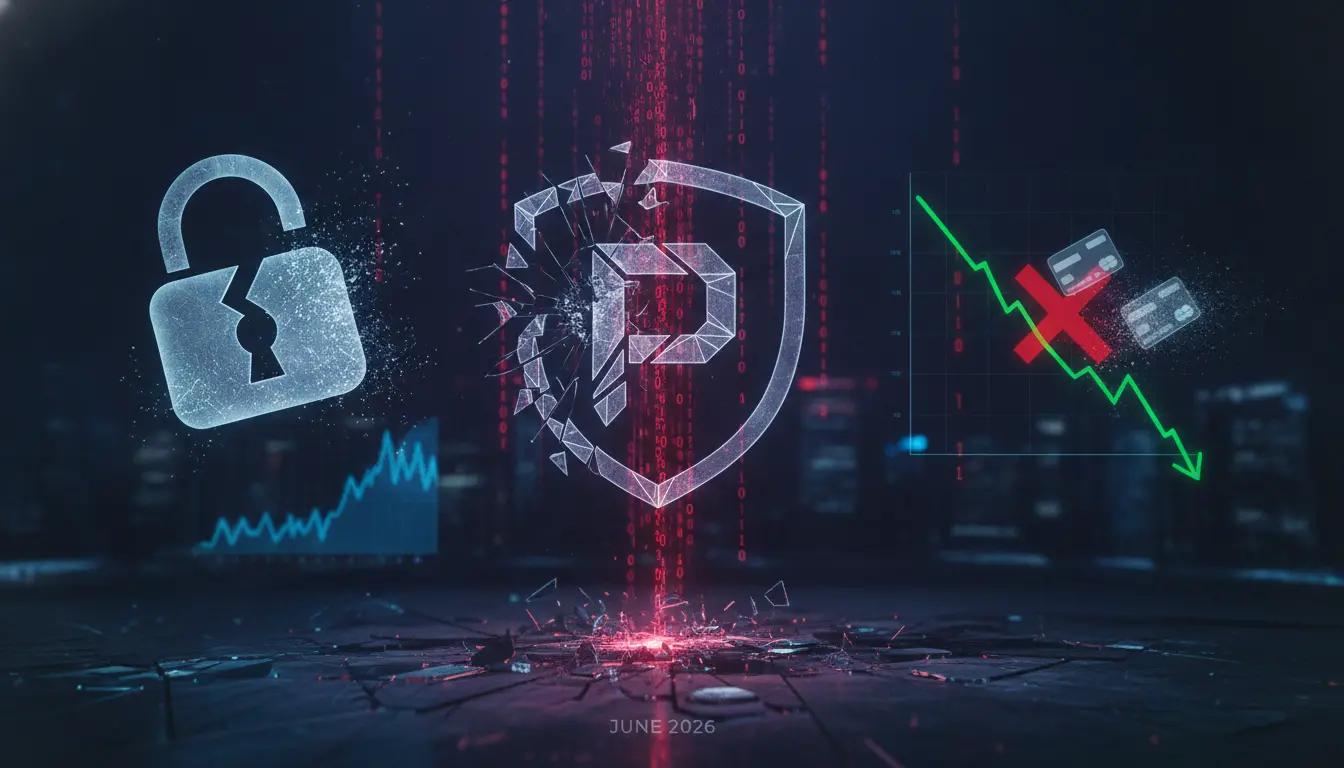
Polymarket, a prominent decentralized information platform, has publicly committed to fully refunding all users impacted by a major security breach that occurred in June 2026. The incident saw hackers exploit a vulnerability within the platform's system, leading to the unauthorized abstraction of user funds.This declaration comes as the company navigates the immediate aftermath of a significant cybersecurity incident, striving not only to restore confidence but also to mitigate the financial fallout for its user base who entrusted their digital assets to the platform. The commitment marks a critical juncture for Polymarket, as its response will largely define its future standing in an increasingly scrutinized digital economy.Details surrounding the exploit indicate a sophisticated attack targeting the platform’s operational infrastructure. While Polymarket has yet to release a full technical post-mortem, initial reports suggest a complex breach that circumvented existing security protocols, allowing unauthorized access to certain user-held digital wallets.The exact nature of the vulnerability, whether a smart contract flaw, a front-end exploit, or a compromise of internal systems, remains under active investigation. Regardless of the technical specifics, the outcome was clear: a substantial quantity of funds held by users on the platform was compromised and stolen.Such incidents underscore the persistent and evolving threats facing the digital asset space, where advanced security measures are continuously challenged by malicious actors seeking to exploit any weak points in decentralized systems. For Polymarket, an entity that relies heavily on the integrity and security of its digital architecture, the breach represents a critical test of its resilience and unwavering commitment to its community.The company moved swiftly to acknowledge the breach, confirming the unauthorized access and the theft of user assets within hours of detection. In its public communications, Polymarket emphasized its unwavering commitment to ensuring that no user would bear the financial burden of the attack, pledging full restitution.This proactive stance is vital for platforms operating in an ecosystem where user trust, once eroded, is incredibly difficult to rebuild. By swiftly promising full refunds, Polymarket aims to quell widespread concern and prevent a larger exodus of users, a common outcome for platforms suffering significant security compromises.The company's transparency in admitting the exploit and its immediate commitment to restitution contrasts with some past incidents in the broader digital asset industry, where responses have sometimes been delayed, fragmented, or less conclusive, often leading to prolonged user dissatisfaction and regulatory pressure. The June 2026 exploit at Polymarket highlights broader systemic vulnerabilities that continue to plague the decentralized finance (DeFi) and wider Web3 landscape.Despite continuous advancements in blockchain security, robust smart contract auditing, and the implementation of multi-layered protective protocols, well-resourced attackers frequently discover new vectors for exploitation. This incident serves as a stark reminder that even well-established and seemingly secure platforms are not immune to such sophisticated threats.Beyond the immediate financial losses, such breaches inevitably attract increased scrutiny from regulatory bodies globally, which are increasingly focused on consumer protection and the security of digital asset custodians. For users, the promise of a full refund offers a glimmer of relief, but the underlying concern about the security and resilience of decentralized platforms remains a pervasive issue that the entire industry must collectively address.Executing a full refund for all affected users within a defined timeframe, particularly one as ambitious as two months from the time of the announcement, presents significant operational, technical, and financial challenges for Polymarket. The process involves meticulously identifying all compromised wallets, accurately quantifying individual losses, verifying claims, and then securely distributing the correct amount of digital assets to each affected party.This monumental task demands robust internal systems and potentially external audit verification to ensure accuracy and prevent further exploitation. Furthermore, the financial commitment required for full restitution could necessitate the company drawing heavily on its reserves or even seeking additional capital, placing a considerable strain on its resources.The reputation of Polymarket, and by extension, the wider credibility of platforms operating within the decentralized information sphere, hinges on its ability to honor this commitment effectively and without undue delay. As the platform works diligently towards its stated goal of restitution, the global digital asset community will be closely watching, understanding that successful resolution could set an important precedent for how platforms respond to and recover from catastrophic security breaches, thereby shaping future expectations for accountability and user protection in the evolving digital economy.
#featured
#Polymarket
#data breach
#user funds
#cryptocurrency security
#refunds
#cybersecurity
#digital assets
#decentralized platforms
Stay Informed. Act Smarter.
Get weekly highlights, major headlines, and expert insights — then put your knowledge to work in our live prediction markets.
Related News

4 days ago
Senate Democrats Demand Probe Into UAE's $500 Million Investment in Trump-Linked Crypto Venture

6 days ago
Japanese corporate pension fund plans 1% crypto allocation: Nikkei
1 week ago
Microsoft warns users of 'Crypto Clipper' malware spread via USB drives

1 week ago
Failure is an option in crypto finance

1 week ago
Florida man pleads guilty for promoting $1.8B ‘HyperFund’ crypto fraud

Comments
It's quiet here...Start the conversation by leaving the first comment.