

Política
US-Iran Tensions Simmer Amid Regional Flare-ups, Raising Fears of Direct Conflict
AN
Anna Wright
hace 9 horas7 min de lectura
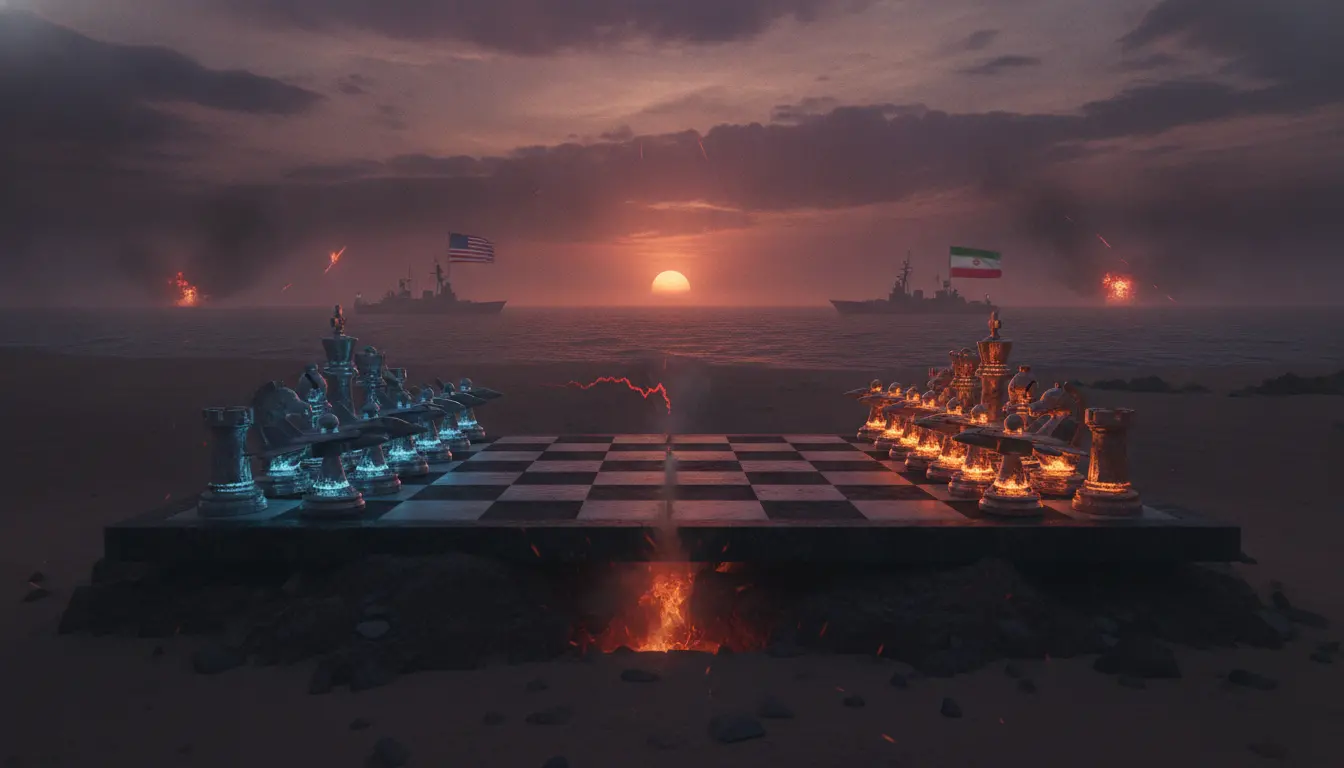
The volatile relationship between the United States and Iran remains on a knife-edge, marked by recent tit-for-tat military actions and escalating rhetoric that heighten the risk of direct confrontation. Despite intermittent periods of de-escalation, the fundamental strategic competition between Washington and Tehran, particularly in the Persian Gulf and broader Middle East, consistently fuels flashpoints.The latest string of incidents, including an attack on a commercial vessel in the strategic Strait of Hormuz and alleged drone strikes targeting US interests in regional allies like Bahrain, underscores the persistent danger of miscalculation igniting a wider conflict. The long-standing antagonism between the two nations is rooted in a complex history, encompassing the 1979 Iranian Revolution, the hostage crisis, Iran's nuclear ambitions, and its extensive network of regional proxies.The US maintains a significant military presence in the Middle East, primarily aimed at ensuring maritime security, protecting allies, and deterring Iranian aggression. Iran, for its part, views this presence as an occupation force and asserts its right to project power within its perceived sphere of influence, often through its Revolutionary Guard Corps and various allied militias across Iraq, Syria, Lebanon, and Yemen.This dynamic sets the stage for frequent, often low-level, clashes that perpetually teeter on the brink of wider escalation. Recent months have witnessed a renewed intensity in these exchanges.An attack on a commercial tanker navigating the Strait of Hormuz – a critical choke point for global oil supplies – drew immediate international condemnation and was widely attributed to Iranian-backed forces. Such incidents threaten the free flow of commerce and provide a pretext for direct military responses.In the immediate aftermath, reports indicated retaliatory strikes by US forces against targets linked to Iranian proxies, followed by further Iranian actions, including alleged drone launches aimed at facilities or interests in Bahrain, a key US ally hosting the US Navy's Fifth Fleet. While specific details of these events are often shrouded in claims and counter-claims, their collective impact is to erode trust and increase the probability of a more substantial military engagement.The current situation can be characterized as a precarious equilibrium, often referred to as a "fragile ceasefire" or a period of uneasy calm. This state is constantly tested by regional events, whether they are Houthi attacks in the Red Sea, militia activity in Iraq, or perceived provocations in Gulf waters.Both Washington and Tehran have demonstrated a willingness to engage in limited military action to assert their interests or deter adversaries, yet both also typically seek to avoid an all-out war that would be devastating for the region and global economy. However, the precise red lines for each side remain ambiguous, and the rapid pace of events can easily outstrip diplomatic channels for de-escalation.What is at stake is not merely the relationship between two powerful nations, but the broader stability of the Middle East, a region already grappling with multiple conflicts and humanitarian crises. A direct military confrontation between the US and Iran would send shockwaves through global energy markets, destabilize international trade routes, and could draw in other regional and global powers.The potential for a wider conflagration involving key regional players like Saudi Arabia, Israel, and the UAE, is a constant concern for policymakers worldwide. Moreover, such a conflict would further empower extremist groups and exacerbate existing sectarian divisions, prolonging suffering and hindering prospects for long-term peace.International diplomacy, though often strained, remains crucial in navigating these treacherous waters. Efforts to revive the Iran nuclear deal, while currently stalled, represent one avenue for reducing a major source of tension.However, without a broader framework for de-escalation and a clearer understanding of mutual red lines, the Middle East will continue to be a region where direct military strikes between the US and Iran remain a significant and ever-present risk. The cycle of provocation and retaliation has proven difficult to break, keeping regional and global security on high alert.The coming months will be critical in determining whether the current fragile stability can hold, or if a new incident will precipitate a more serious military exchange. The underlying causes of tension—Iran's regional influence, its nuclear program, and the US's commitment to its allies—are deeply entrenched. Absent a fundamental shift in strategy from either side, or a robust diplomatic intervention, the specter of direct military action will continue to loom large over the Persian Gulf.
#editorial picks
#US-Iran relations
#Middle East security
#Strait of Hormuz
#Military conflict
#Geopolitics
#Regional security
#Diplomacy
#Naval operations
#Drone warfare
Mantente informado. Actúa con inteligencia.
Recibe resúmenes semanales, titulares importantes e información de expertos — y luego aplica tus conocimientos en nuestros mercados de predicción en vivo.
Noticias relacionadas

Comentarios
Está tranquilo aquí...Inicia la conversación dejando el primer comentario.