

- News
- Sport
- IOC Reinstates Russian Olympic Committee, But Path to Full LA 2028 Participation Remains Fraught
IOC Reinstates Russian Olympic Committee, But Path to Full LA 2028 Participation Remains Fraught
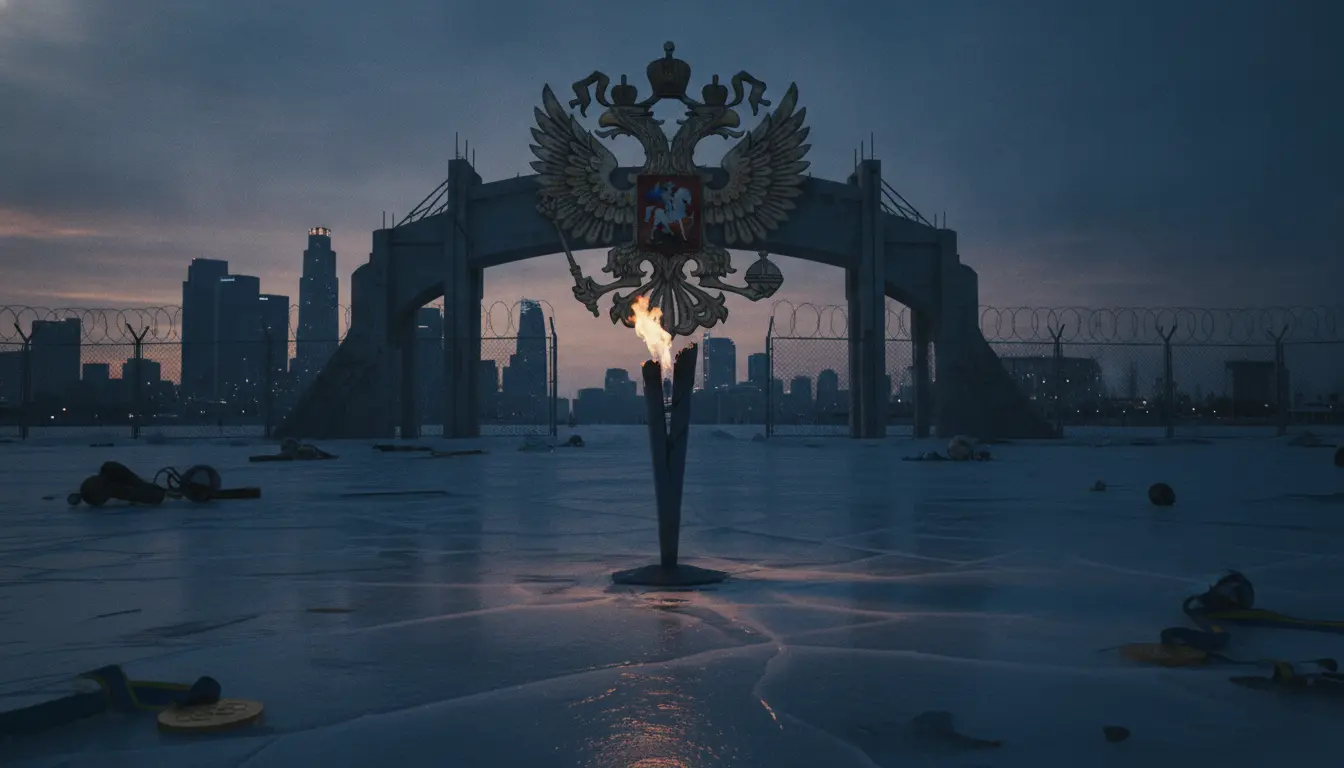
The International Olympic Committee (IOC) has lifted its suspension on the Russian Olympic Committee (ROC), a procedural move that reopens a complex and politically charged debate about Russia's future in the Olympic movement. While the decision formally ends a specific sanction, it does little to clear the path for a full, flag-bearing Russian national team at the upcoming Los Angeles 2028 Summer Games. The fundamental restrictions preventing the display of Russian national symbols, flags, and anthems remain firmly in place, ensuring that the country’s status will continue to be a major point of contention in international sport for years to come.
The suspension of the ROC was initially imposed in October 2023, not directly because of the war in Ukraine, but due to a more specific breach of the Olympic Charter. The ROC had unilaterally absorbed regional sports organizations in occupied Ukrainian territories—Donetsk, Kherson, Luhansk, and Zaporizhzhia. The IOC viewed this as a direct infringement on the jurisdiction of the National Olympic Committee of Ukraine. By lifting this particular suspension, the IOC is signaling that the ROC has, in its view, rectified the breach. However, this administrative step is separate from the much broader and more significant sanctions imposed on Russian and Belarusian state and national symbols following the full-scale invasion of Ukraine in February 2022.
Those broader measures, which dictate the terms of Russian and Belarusian athlete participation, continue to be the central issue. For the upcoming Paris 2024 Olympics, the IOC has established a strict framework for "Individual Neutral Athletes" (AINs). Under these rules, a very limited number of vetted athletes from Russia and Belarus can compete, but they cannot represent their country. This means no national flags, no anthems, and no team uniforms. Furthermore, any athlete who has actively supported the war or is affiliated with military or security agencies is deemed ineligible. These stringent conditions have dramatically reduced the number of athletes from both nations who will appear in Paris and have completely barred them from participating in team events.
Looking ahead to Los Angeles in 2028, the reinstatement of the ROC does not automatically reset these conditions. The IOC has been consistent in its messaging, spearheaded by President Thomas Bach, that it is navigating a difficult path between punishing the actions of a state and upholding the rights of individual athletes to compete. The organization maintains that a blanket ban would unfairly penalize athletes who bear no responsibility for their government's actions. This position has drawn sharp criticism from Ukraine and many of its allies, who argue that any Russian presence, even a neutral one, serves to normalize the ongoing conflict and provides a propaganda platform for Moscow.
Political pressure, particularly from Western nations, is likely to intensify as the LA Games draw closer. The United States, along with governments in the United Kingdom, Canada, and across the European Union, have repeatedly voiced strong opposition to Russian participation under any guise. Mayors of major cities, including Paris's Anne Hidalgo, have stated that Russian and Belarusian athletes are not welcome while the war continues. This creates a challenging diplomatic environment for the IOC, which must coordinate with the host nation's government for the successful staging of the Games. The prospect of a full Russian delegation marching under its own flag in the LA Coliseum's opening ceremony seems politically untenable given the current global climate.
The central question remains what, if anything, could change between now and 2028. The primary factor will be the status of the war in Ukraine. A resolution to the conflict could dramatically alter the landscape, but in its absence, the IOC is unlikely to risk the political fallout and potential boycotts that would accompany a full reversal of its current policy. Other international sports federations, such as World Athletics, have maintained a stricter, more comprehensive ban on all Russian and Belarusian athletes, highlighting a fractured response within the global sports community. As a result, while the Russian Olympic Committee is officially back in the IOC's fold, the nation's athletes remain on the outside looking in, with their path to Los Angeles defined not by a flag, but by a heavily scrutinized and fragile state of neutrality.
Stay Informed. Act Smarter.
Get weekly highlights, major headlines, and expert insights — then put your knowledge to work in our live prediction markets.
Related News
UN General Assembly Prepares for Vote on Russia's Suspension from Human Rights Council Amid War Crime Allegations
NATO Members Weigh Explicit 'Adversary' Label for Russia Ahead of 2026 Summit
FIFA Grapples with Calls to Suspend Israel Over Geopolitical Conflict
US refuses to ease Iran World Cup travel restrictions for Belgium match
FIFA Faces Intense Scrutiny Over Controversial Balogun Red Card Reversal Following Trump Intervention
Washington Considers Full Reinstatement of Iran Oil Sanctions Amid Deepening Regional Tensions

World's Fastest Prepare for Iconic 100m Race at 2026 Diamond League Lausanne
Dominican Republic Prepares to Host 2026 Central American and Caribbean Games

Outpoll Weekly Recap: Sport (August 3 – 9, 2026)
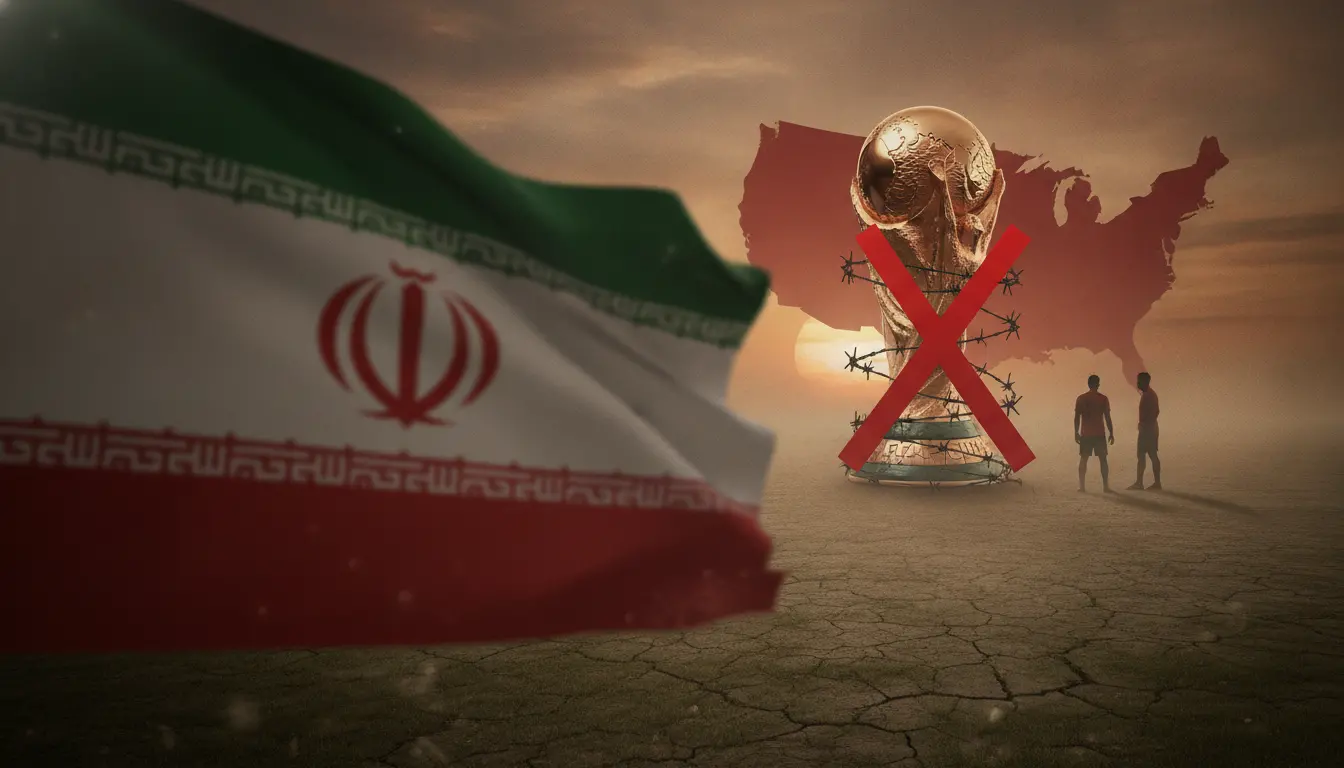
Iran to lodge complaint with FIFA over World Cup 2026 travel restrictions