- News
- space-astronomy
- NASA Postpones Artemis II Crewed Moon Mission to 2025 Amid Critical Rocket Repairs
Sciencespace & astronomyNASA Missions
NASA Postpones Artemis II Crewed Moon Mission to 2025 Amid Critical Rocket Repairs
TH
Thomas Green
1 month ago7 min read
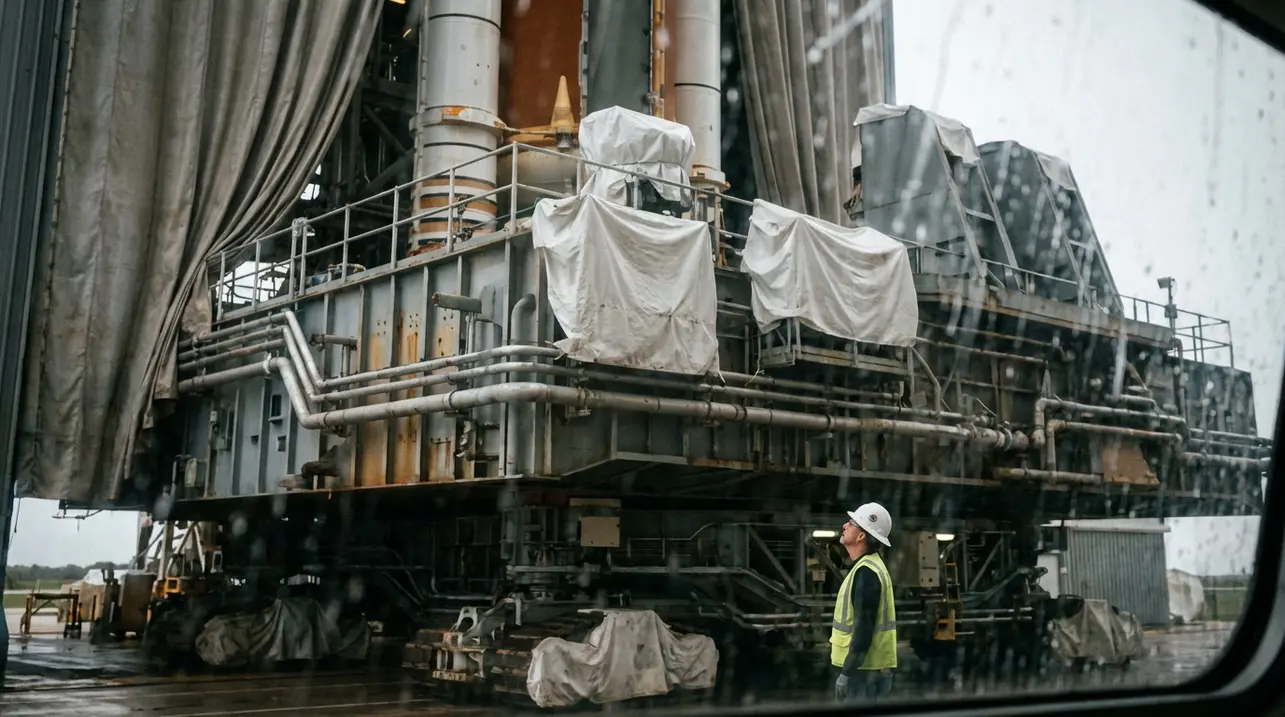
NASA has officially rescheduled the Artemis II mission, the first crewed lunar flyby in over 50 years, for no earlier than March 2025. The delay is driven by the need to resolve persistent technical issues, including recurring hydrogen leaks in the Space Launch System (SLS) rocket's core stage and concerns with the Orion spacecraft's heat shield.Agency officials emphasized that the safety of the four astronauts is the paramount concern, requiring additional time for testing and hardware modifications. The revised timeline also pushes the Artemis III lunar landing mission to September 2026.While the setback tempers immediate expectations, NASA continues to advance its broader exploration goals. On Mars, artificial intelligence is enabling unprecedented autonomy for the Perseverance rover, charting courses for future human missions.Concurrently, the agency is modernizing crew protocols, including plans to permit approved personal electronic devices on future deep-space flights. This period highlights the dual nature of contemporary space exploration: a methodical, safety-first return to the Moon with a complex, legacy-derived rocket, even as the technological foundations for humanity's next leap to Mars are being actively forged.
#NASA
#Artemis
#Moon
#Space Launch System
#Mars
#AI
#SpaceX
#editorial picks
Related News

Comments

It's quiet here...Start the conversation by leaving the first comment.
© 2026 Outpoll Service LTD. All rights reserved.