Sciencespace & astronomyRocket Launches
Chinese company nearly lands rocket from space on first try
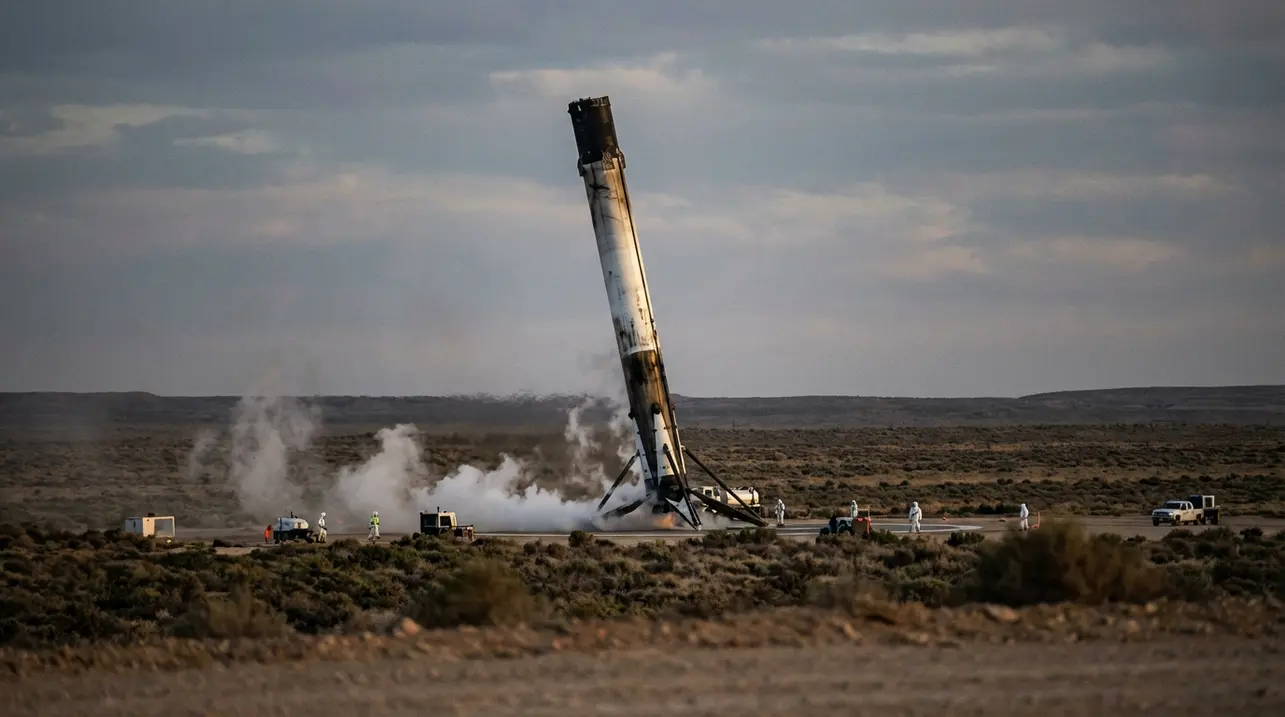
In a move that felt ripped from the pages of a sci-fi novel, a Chinese aerospace firm just pulled off a maneuver that’s been the holy grail of rocketry for decades: a near-successful landing of a rocket from space on its very first attempt. While the official statement, a characteristically measured line about achieving 'expected technical objectives,' might sound like bureaucratic understatement, the implications are cosmic.This isn't just a test; it's a shot across the bow of the entire New Space industry, dominated by figures like Elon Musk and his reusable Falcon 9. For years, SpaceX’s dramatic, fiery landings of booster stages on drone ships have been the defining image of modern spaceflight, turning what was once disposable into a reusable asset and slashing costs.China, watching intently, has now signaled it’s not content to just follow—it intends to sprint down the same path, and fast. The specific company involved, while not always named in initial brief reports, operates within China’s burgeoning commercial space sector, entities like LandSpace, iSpace, or Galactic Energy, which have been aggressively testing methane-fueled engines and larger rockets designed from the ground up for reusability.This attempt likely involved a controlled descent through the brutal heat of re-entry, followed by a precision engine re-ignition and a final, soft touchdown, a ballet of physics where the slightest error ends in a spectacular fireball. The fact that they came so close on try number one suggests an astonishing level of simulation fidelity, materials science advancement, and guidance software sophistication.It speaks to a national strategy that has absorbed the lessons of SpaceX’s success but is executing it with the characteristic scale and state-backed coordination of the Chinese system. The broader context here is a new space race, but one defined by economics and access rather than flags on the moon.Reusability is the key that unlocks the solar system, making frequent, affordable launches possible. If China masters this reliably, it could dramatically undercut launch costs globally, flooding the market with cheap access to orbit for its own satellite constellations, like the Guowang broadband network, and for international clients.This has profound geopolitical ramifications, potentially shifting dependency for critical space infrastructure. Furthermore, it accelerates the timeline for China’s ambitious goals: a permanent lunar research station, Mars sample return, and massive low-Earth orbit infrastructure.Experts in aerospace policy will be parsing the scant details for clues about the rocket’s design—was it a vertical landing like SpaceX, or a different approach? The materials used on the heat shield? The accuracy of the landing site? Each answer reveals technological maturity. The road ahead, of course, is still long.
#featured
#China
#space technology
#rocket recovery
#launch vehicle
#aerospace
#private company
Related News

Comments

It's quiet here...Start the conversation by leaving the first comment.
© 2026 Outpoll Service LTD. All rights reserved.