Sciencespace & astronomyNASA Missions
Artemis II Moon Mission Pushed to 2027 as NASA Tackles SLS Rocket Hydrogen Leaks
TH
Thomas Green
1 month ago7 min read
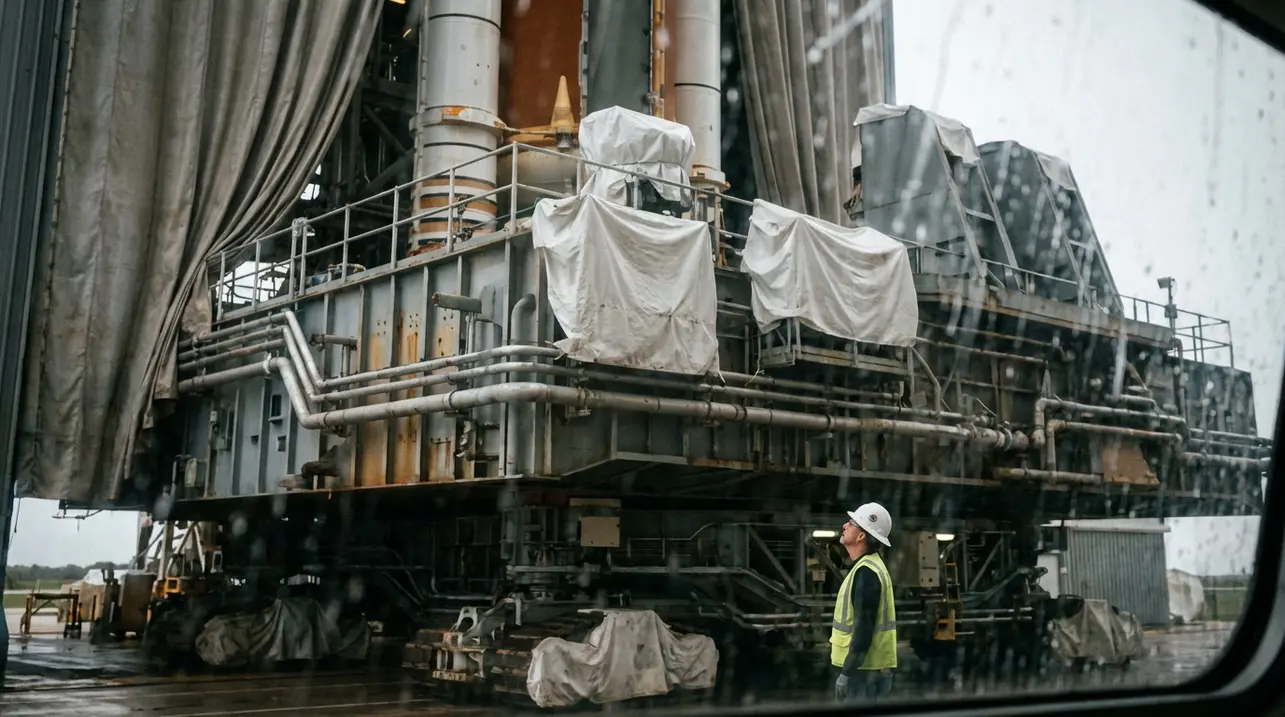
NASA has announced a significant delay for its historic Artemis II mission, moving the first crewed lunar flight since Apollo from late 2026 to at least March 2027. The decision stems from ongoing technical challenges, primarily persistent hydrogen leaks identified during ground testing of the Space Launch System (SLS) rocket's propulsion system.This issue, a familiar hurdle from the Space Shuttle program, underscores the complex engineering required for deep-space exploration. While the agency emphasizes that astronaut safety is the paramount concern, the schedule shift prompts wider questions about launch architecture and sustainability.The SLS, a powerful but expensive vehicle with a low flight rate, faces growing scrutiny as commercial entities and international partners develop alternative systems. Despite the lunar setback, robotic exploration advances elsewhere; on Mars, artificial intelligence is already enhancing the efficiency of rovers like Perseverance, showcasing the autonomous technology critical for future deep-space missions.The Artemis delay impacts a vast network of global partners and contractors invested in establishing a sustained lunar presence as a precursor to Mars. This moment highlights the relentless challenge of balancing ambitious cosmic goals with the intricate realities of spacecraft engineering and system reliability.
#NASA
#Artemis
#Moon
#Space Launch System
#Delay
#Hydrogen Leak
#Mars
#AI
#Blue Origin
#editorial picks
Related News

Comments

It's quiet here...Start the conversation by leaving the first comment.
© 2026 Outpoll Service LTD. All rights reserved.