

- News
- Science
- NASA Aims for Human Mars Landing Confirmation by 2035 Amidst Accelerated Private Sector Partnerships
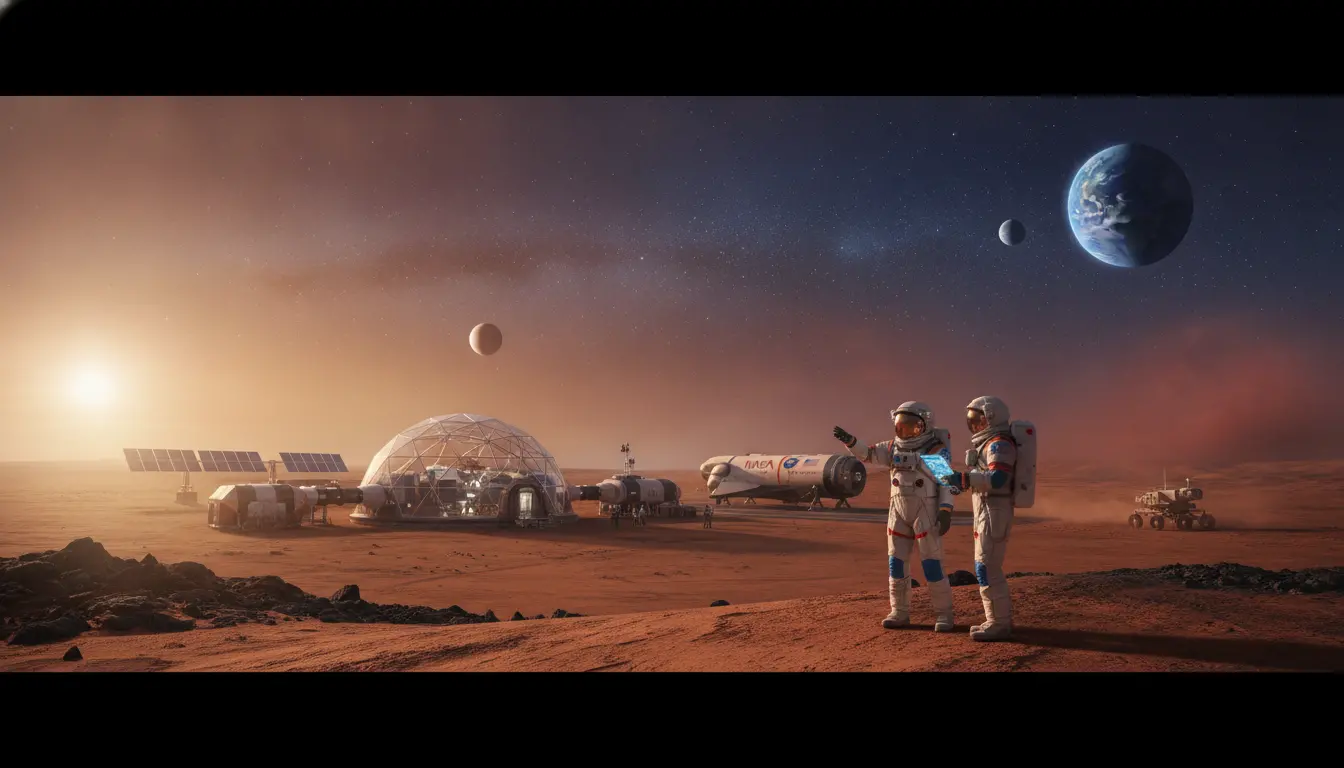
NASA Aims for Human Mars Landing Confirmation by 2035 Amidst Accelerated Private Sector Partnerships
The National Aeronautics and Space Administration (NASA) is reportedly accelerating its ambitious plans for human exploration of Mars, with internal timelines suggesting a potential official confirmation for a crewed mission landing on the Red Planet by the end of 2035. This audacious goal, once relegated to distant science fiction, is gaining substantial traction within the agency, fueled by significant technological advancements and a strategic pivot towards robust public-private collaborations.
Driving this renewed optimism is a growing reliance on the innovative capabilities of the commercial space sector. Recent reports indicate NASA's engagement with advanced propulsion and spaceflight companies, including a notable partnership with a rocket company backed by prominent figures like Eric Schmidt. This collaboration underscores a broader strategy to leverage private enterprise's agility and cutting-edge research to overcome the monumental engineering and logistical challenges inherent in interplanetary travel. The infusion of private capital and expertise is seen as a critical accelerator, potentially shaving years off traditional government-led development cycles and making the 2035 confirmation a more tangible prospect.
The journey to Mars represents the pinnacle of human spaceflight, demanding unprecedented leaps in propulsion, life support systems, and radiation shielding. For decades, the sheer scale of the endeavor—requiring sustained human presence far from Earth's protective magnetic field and atmosphere—has posed formidable obstacles. NASA's current strategy, crystallized through the Artemis program, envisions the Moon as a crucial proving ground. Technologies and operational procedures honed during lunar missions, such as long-duration habitation, in-situ resource utilization, and advanced extravehicular activity (EVA) suits, are directly applicable to future Mars expeditions. The experience gained in establishing a sustainable lunar presence is considered indispensable before embarking on the vastly more complex journey to Mars.
However, the path to Mars is fraught with significant hurdles. Beyond the engineering marvels required, the human element presents its own set of profound challenges. The psychological toll of prolonged isolation in deep space, the physiological effects of microgravity, and exposure to cosmic radiation remain critical areas of research and mitigation. Developing robust closed-loop life support systems capable of recycling air, water, and waste for years, without resupply from Earth, is another complex puzzle that requires breakthroughs. The financial commitment, too, is immense, necessitating sustained political will and consistent budgetary allocation over more than a decade to see such a project through to fruition.
While an official confirmation by 2035 would not necessarily mean a landing by that date, it would signify a definitive green light for the final development and manufacturing phases of the mission architecture, setting a firm trajectory for the actual human landing in the years immediately following. Such a declaration would unlock substantial funding, streamline international partnerships, and galvanize the global scientific and engineering communities. It represents not just a technical milestone, but a profound statement about humanity's enduring drive to explore, expand its understanding of the universe, and ultimately, to become a multi-planetary species.
The stakes are exceptionally high. A successful human mission to Mars would not only yield invaluable scientific data about the planet's geological and potentially biological history but would also inspire a new generation of scientists and innovators. It would cement humanity's position as a truly spacefaring civilization, pushing the boundaries of what is technologically and physically possible. As NASA increasingly integrates private sector innovation into its long-term vision, the prospect of humans walking on Mars within the next two decades appears to be transitioning from aspirational dream to a rigorously planned, achievable reality.
Stay Informed. Act Smarter.
Get weekly highlights, major headlines, and expert insights — then put your knowledge to work in our live prediction markets.
Related News
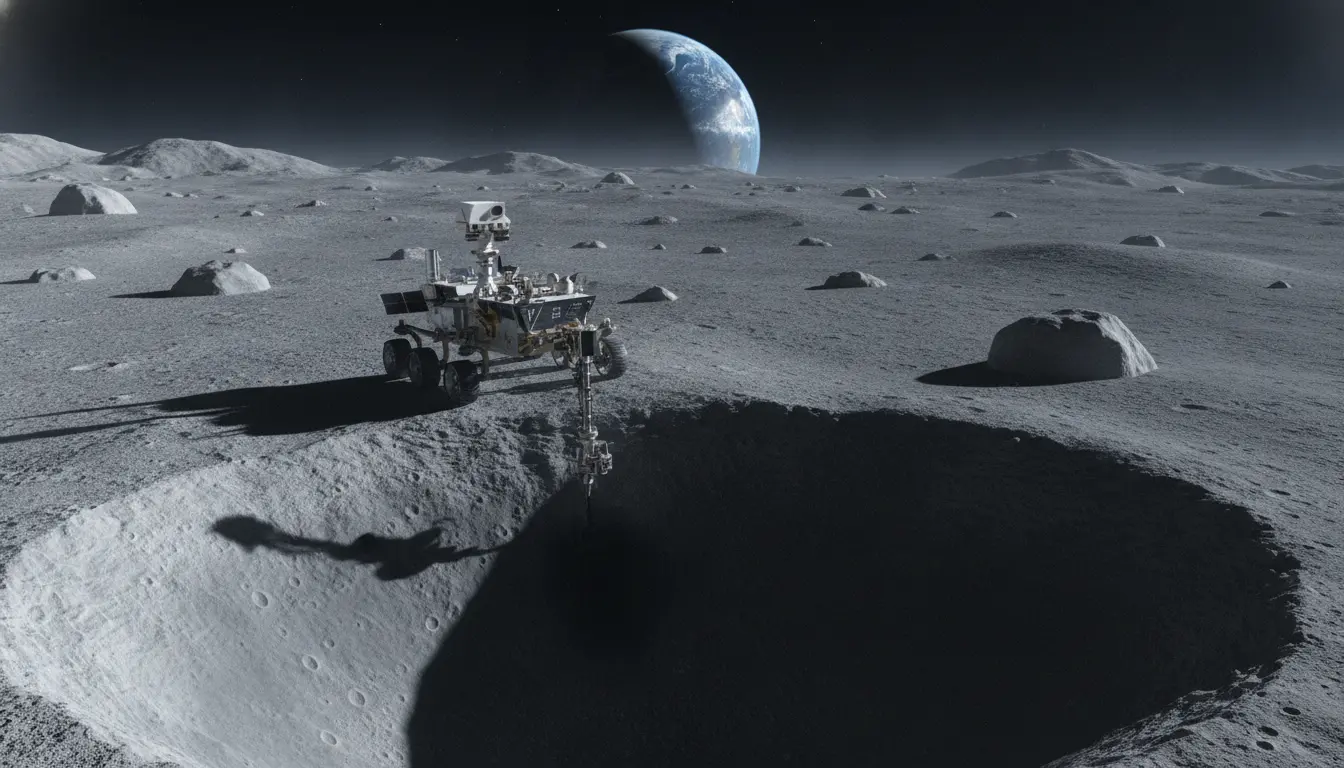
NASA's VIPER Rover Mission Aims for September 2026 Lunar South Pole Landing in Hunt for Water Ice
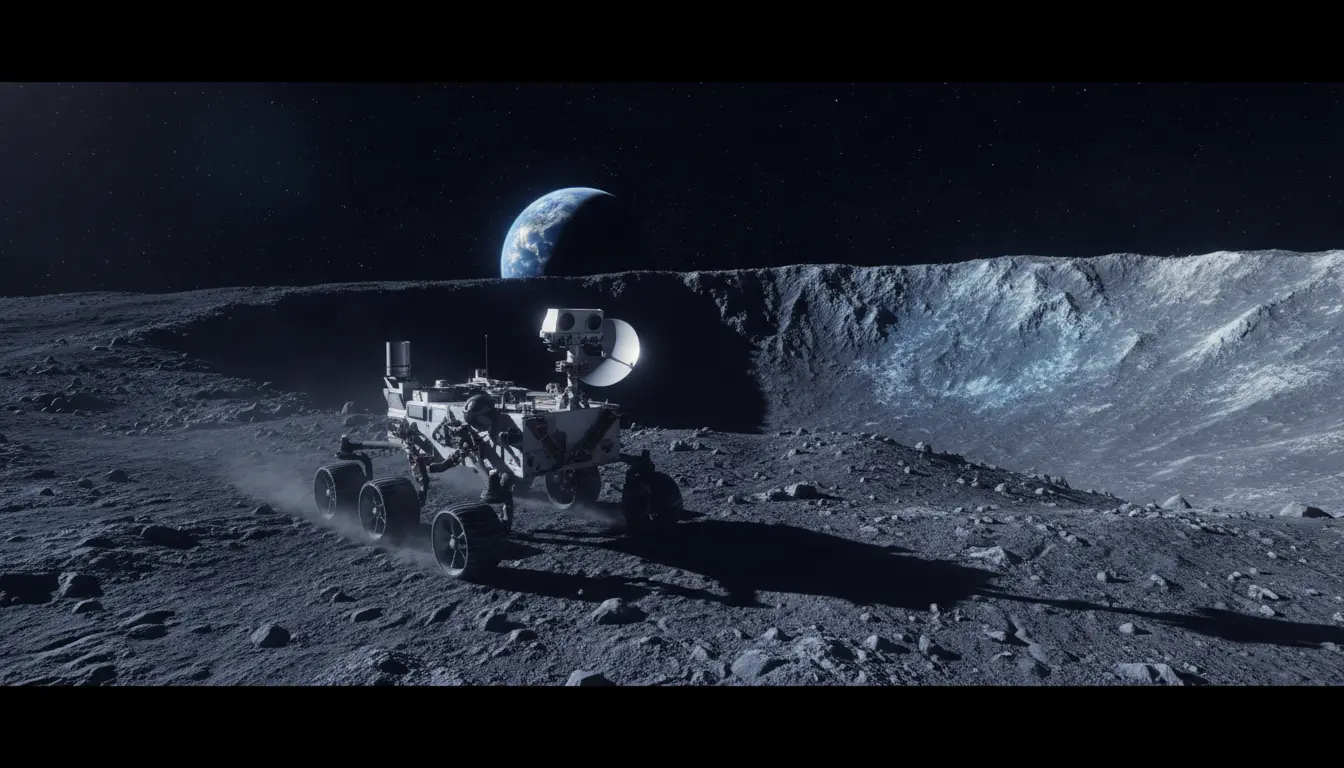
NASA's VIPER Rover Targets Lunar South Pole in Search for Water Ice
Outpoll Weekly Recap: Science (August 10 – 16, 2026)

Outpoll Weekly Recap: Science (July 6 – 12, 2026)

Global Temperatures Poised to Exceed Critical 1.5°C Warming Threshold by 2026

Outpoll Weekly Recap: Science (August 24 – 30, 2026)

Google Prepares to Unveil Pixel 11 Series with Anticipated Camera Innovations in August 2026

Tech Giants Push for 2026 Launch of Consumer-Ready AI Smart Glasses

Apple Explores Ultra-Premium iPhone Tier for 2026 Launch

Apple Readies Foldable iPhone for Potential 2026 Unveiling Amid Industry Scrutiny